



For artists who have spent years building an audience online, the question of how to turn that attention into income keeps getting louder. Streaming pays slowly, touring costs keep rising, and many musicians now look for direct ways to sell products tied to their work. Digital storefronts have become one of the clearest paths forward because they let artists control what they offer, how it looks, and how it reaches their fans. Bonfire sits squarely in that space, giving musicians a simple way to sell physical goods without needing to manage manufacturing or shipping on their own.
What makes a platform like Bonfire relevant to producers, DJs, and independent artists is its focus on practicality. You can launch merchandise tied to a release, a tour, or a moment in your career, and connect that store directly to your existing audience on social media or email lists. Instead of guessing what fans might want, artists can test ideas quickly, run short campaigns, and adjust based on real response. That shifts merchandise from a risky side project into a flexible extension of an artist’s creative output and business plan.
In this interview, we speak with Joe (pictured above) from the Bonfire team about how artists should approach selling physical products today, what types of items tend to work, and where people often go wrong. The conversation centers on listening to your audience, staying aligned with your identity, and using limited runs to build momentum.
For readers who already make music and want clearer ways to monetize their work, this discussion offers a grounded look at how merchandise can support long-term visibility and income instead of serving as a short-term experiment.
Interview With The Bonfire Team
To start, if someone were to want to start selling physical merchandise, what is the absolute first thing they have to do?
Listen to your fanbase so you know what they like, what they don’t like, and what they want to see on your merch. If they want stickers with your most famous lyrics, make the stickers. If they want hoodies featuring your recent album artwork, make the hoodies.
What types of physical merch do you think resonate with fans most often these days?
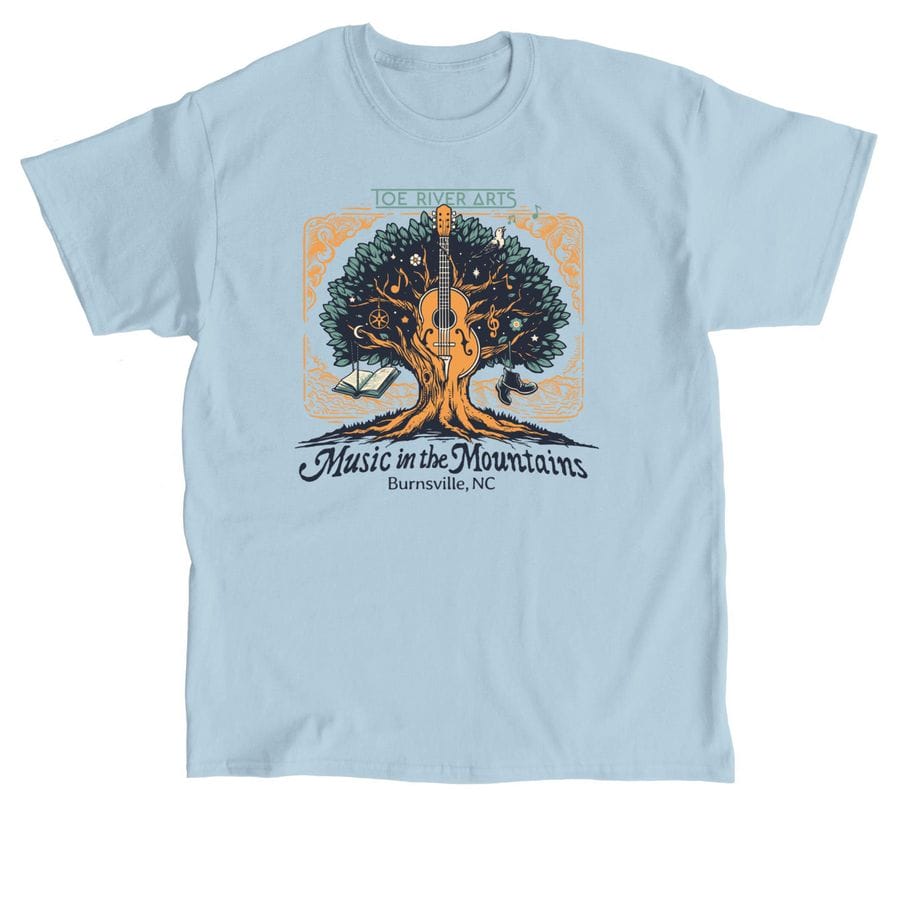
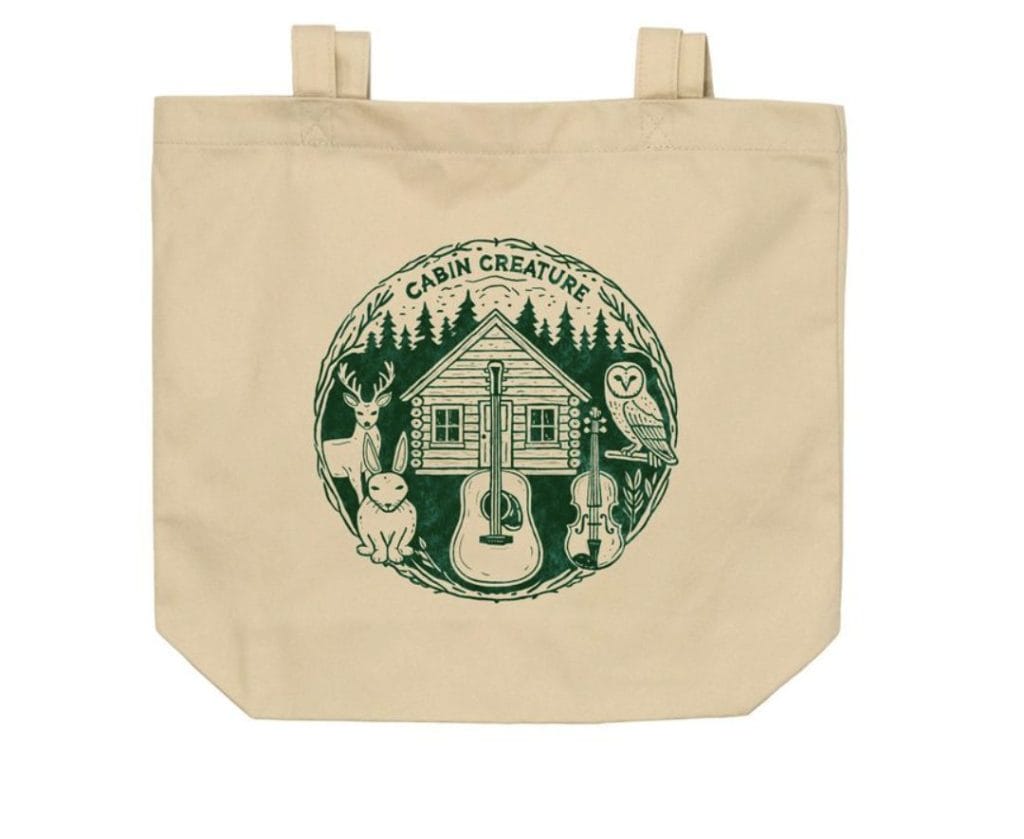
Physical merch still lives and dies by the classic t-shirt and hoodie because fans want something they can wear to shows and in everyday life. Beyond that, totes and water bottles have become sleeper hits because they turn into roaming billboards long after the tour ends. And don’t sleep on stickers! They’re cheap, fun, and can go on everything from water bottles to guitar cases and venue bathrooms.
Which do you think is more important: artist merchandise looking trendy & stylish, or artist merchandise fitting in with their brand?
Brand over everything. The more authentic your merch is to you and your band, the more your fans will gravitate to whatever you choose to make for them.
Are there any common mistakes you see artists make when creating and selling physical merchandise?
Buying too much inventory before knowing if it’s a product your fans actually want.
You should be talking with your fans so you can learn which products they like the most. This will help you avoid creating a product no one wants to buy, leaving you stuck with inventory. We recommend using a merch platform that lets you sell your products without upfront inventory costs. Selling merch doesn’t need to be a financial risk!
How does a limited-time drop change fan behavior compared to a permanent storefront?
Any time you create a limited edition product, you’ll see fans sprinting to your online store to get their hands on your item before it’s too late! The scarcity of these products, paired with a good promo video, can significantly impact sales and engagement with your fans.
Your online storefront is your home for all the merch and products your offer. It should be the place to find your newest products and all the classic fan favorites. If you can, include links to your other platforms and any other relevant content about your band.
When just starting out, should artists cater towards specific subsets of shoppers (i.e. bargain hunters, sustainable buyers, etc)? What are the pros and cons of doing that?
You don’t necessarily need to focus on specific subsets of shoppers, because an engaged fanbase will be eager and excited to buy your merchandise. However, if you can, always opt for sustainable, eco-friendly products. We really like the brands Allmade, econscious, and Stanley/Stella.
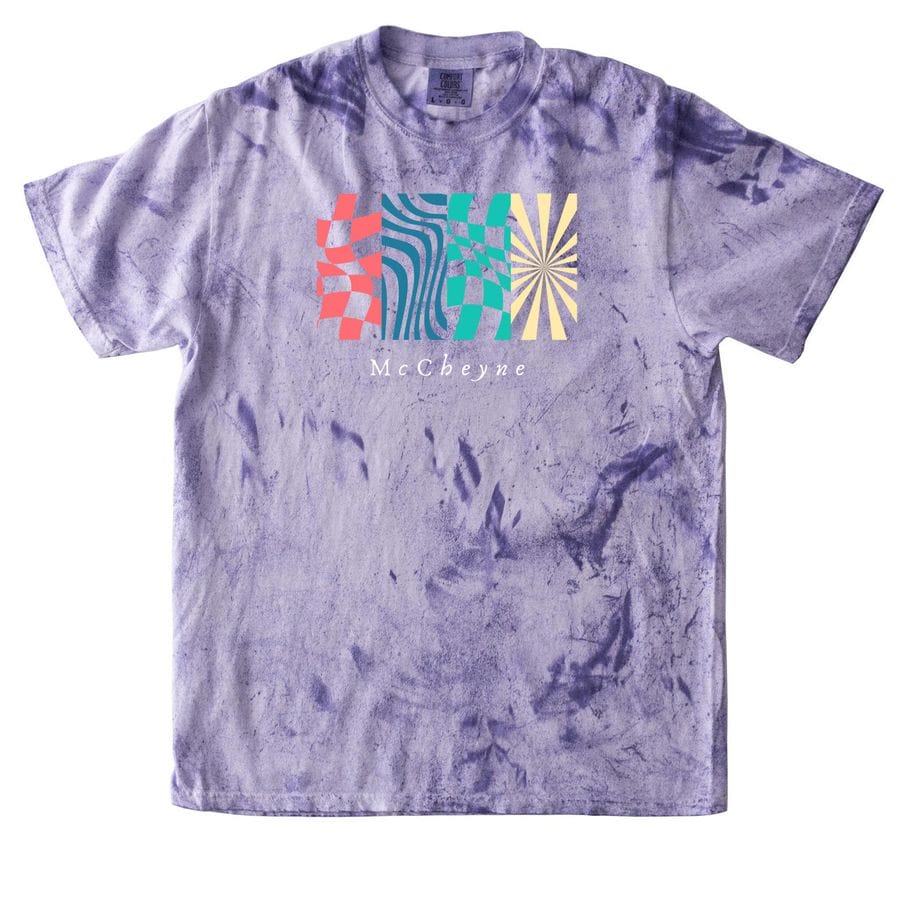
Lastly, how should artists determine whether or not their merchandise is strengthening their brand and not just serving as a source of short-term revenue?
Look for people wearing your merch out in the wild! The more people who wear your merch, the more visibility and awareness you get.
Pro tip: Give out free band stickers whenever you can. People love adding stickers to their water bottles; it’s a great way drive more awareness for your band and bring in new fans! You might even start seeing people adding the stickers to random things across town.
The post What Bonfire Thinks Artists Absolutely Must Know Before Launching Their First Merch Line appeared first on Magnetic Magazine.