




For artists and producers who spend most of their time indoors, creative fatigue often shows up before technical fatigue. Long hours in the same chair, under the same lighting, listening to the same loop can narrow perception and slow decision-making. In that context, stepping outside becomes less of a leisure activity and more of a functional reset. Changing environments forces the brain to shift attention, making it easier to return to creative work with renewed focus.
Snow Peak’s newly introduced Ofuton Sleep System fits naturally into that philosophy. Designed as an outdoor sleep setup inspired by traditional Japanese futons, the system emphasizes rest as an active part of recovery rather than something that only happens at the end of the day. Instead of treating camping sleep as a compromise, the Ofuton Sleep System aims to bring structure and comfort into overnight time spent outside.
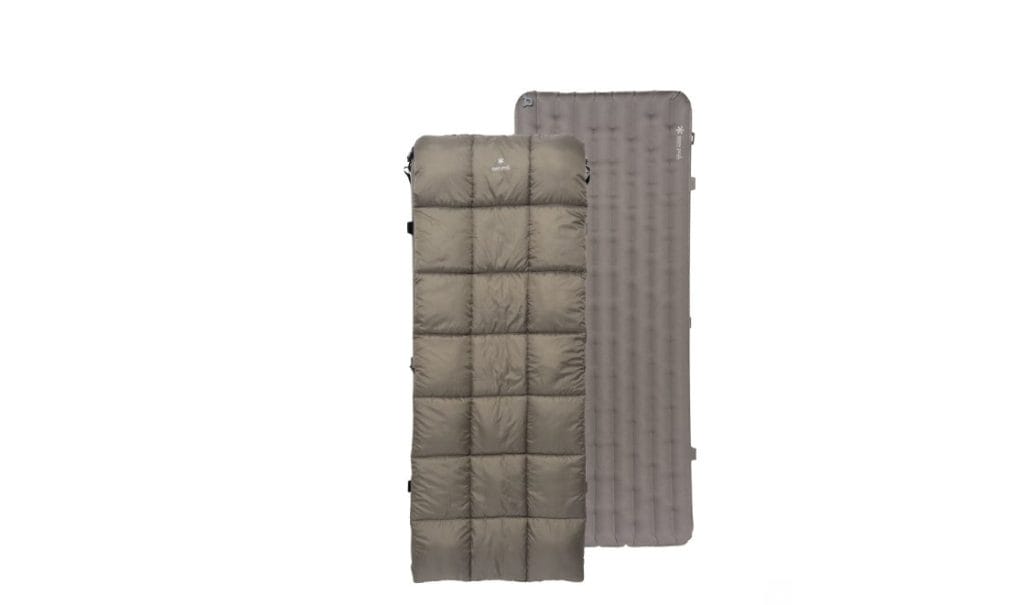
The system is available in two sizes, Slim and Wide, and in two fill options, synthetic or down. This flexibility allows users to adjust their setup based on climate, body size, and preferred sleep feel. For creatives who view outdoor time as part of their routine rather than an occasional escape, that adaptability matters. It removes friction from the idea of sleeping outside and turns it into a repeatable habit rather than a special occasion.
System Ofuton & Wide Mat
Snow Peak’s approach aligns with a broader shift in how creative workers think about productivity. Rest is no longer framed as downtime separate from work. Instead, it becomes a condition that directly influences clarity, patience, and problem-solving once back in the studio.
Design That Supports Recovery Outside the Studio
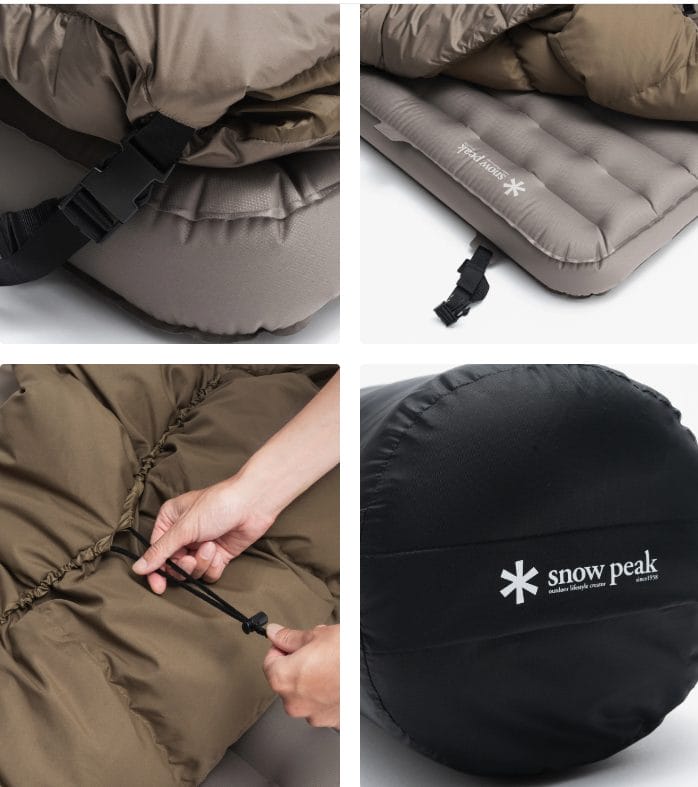
The Ofuton Sleep System is built around a comforter and mattress that connect together at six points, keeping the two components aligned through the night. This prevents shifting and bunching, which can disrupt sleep and reduce the benefit of time spent outdoors. The comforter includes side flaps that fold under and secure into place, along with a drawstring closure at the top to improve heat retention in cooler conditions.
The Down System Ofuton uses down fill for warmth and insulation, while the synthetic version uses hollow polyester fibers. Each version follows the same structural design, allowing users to choose based on climate or personal preference rather than changing systems entirely. The Wide and Slim options further support different sleep postures and body sizes without forcing a one-size-fits-all solution.
For musicians and artists who rely on mental stamina, sleep quality plays a direct role in creative output. A night outside that results in poor rest can work against the goal of resetting the mind. Snow Peak’s design focuses on making outdoor sleep feel stable and predictable, which helps remove uncertainty from stepping away from indoor workspaces.
By borrowing from the simplicity of Japanese futon design and adapting it for outdoor use, the Ofuton system reflects a balance between tradition and practical use. It encourages time spent outside without requiring users to accept discomfort as part of the experience.
As more creators build routines that include walking, camping, or simply sleeping outdoors, tools like this support the idea that environment shapes creative thinking. A night away from screens, speakers, and cables creates a natural pause in the creative loop. Returning to the studio after that pause often brings clearer judgment and renewed patience with the work in progress.
Snow Peak’s Ofuton Sleep System positions rest outdoors as a structured part of creative life rather than a break from it. In an era where many studios live inside bedrooms and living rooms, the act of sleeping outside becomes a way to redraw boundaries between work and recovery. Sometimes the most effective change to a creative workflow starts with changing where the night is spent.
The post Why Sleeping Outside Can Reset Your Creative Focus appeared first on Magnetic Magazine.