



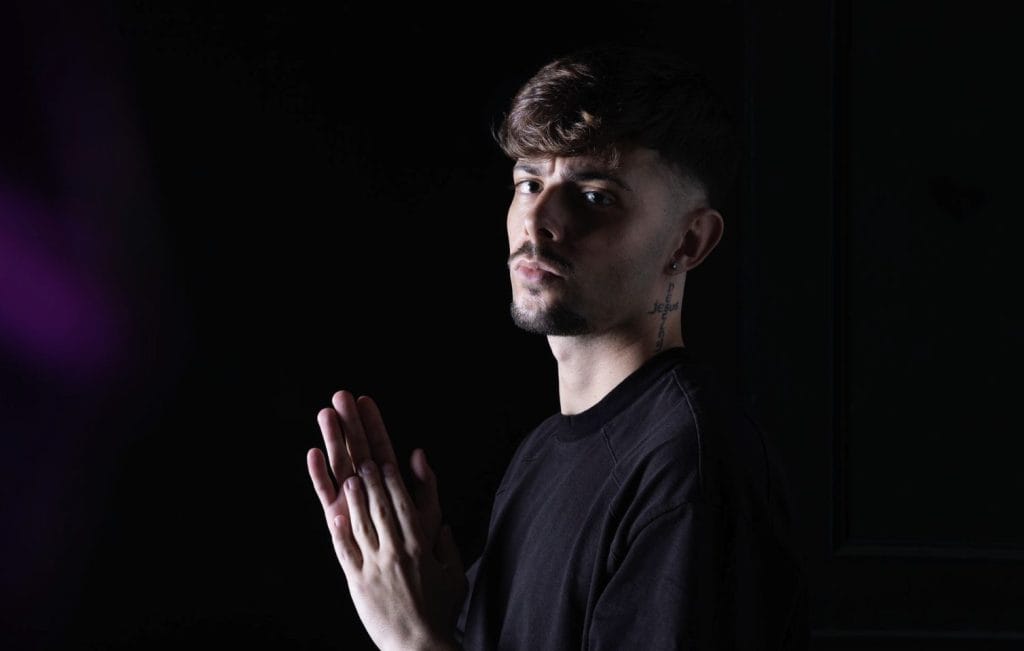
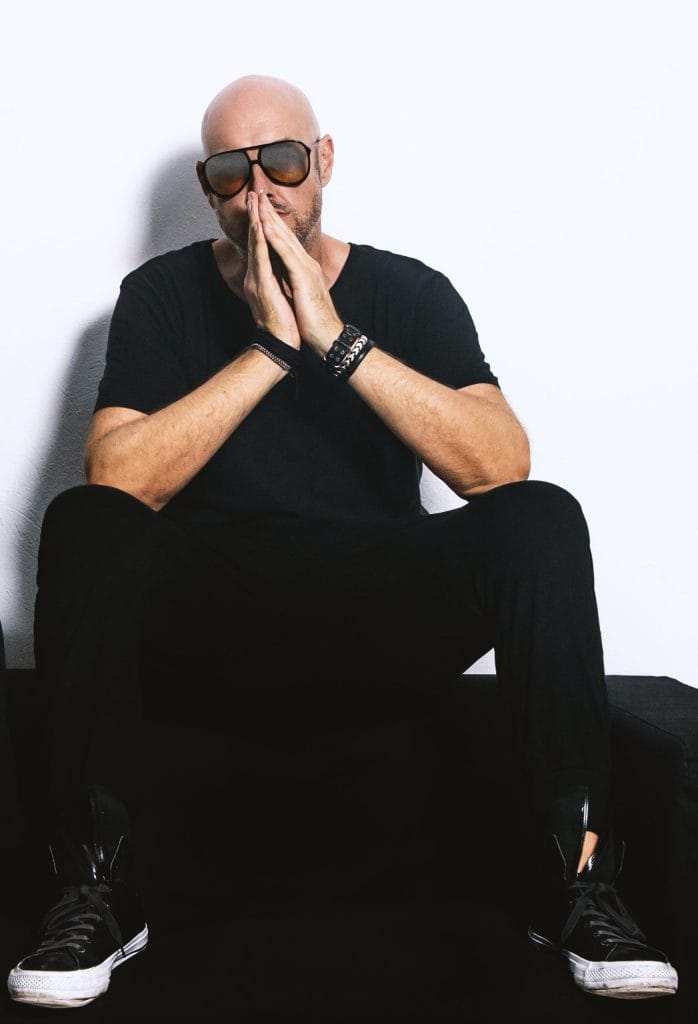
Dan Duncan (of Pig & Dan, the legendary tech house duo) has spent years inside the real mechanics of electronic music, so when he talks about what artists need, it comes from pattern recognition, not theory. With Suru, his goal was straightforward: create a place where producers could get reliable feedback, find vetted professional help, and avoid the common cycle of paying for services that did not deliver. His point was that a lot of artists work hard in isolation, then lose momentum when they cannot find people they trust to respond with useful critique, clear guidance, and real follow-through.
Suru was built to solve that gap with structure.
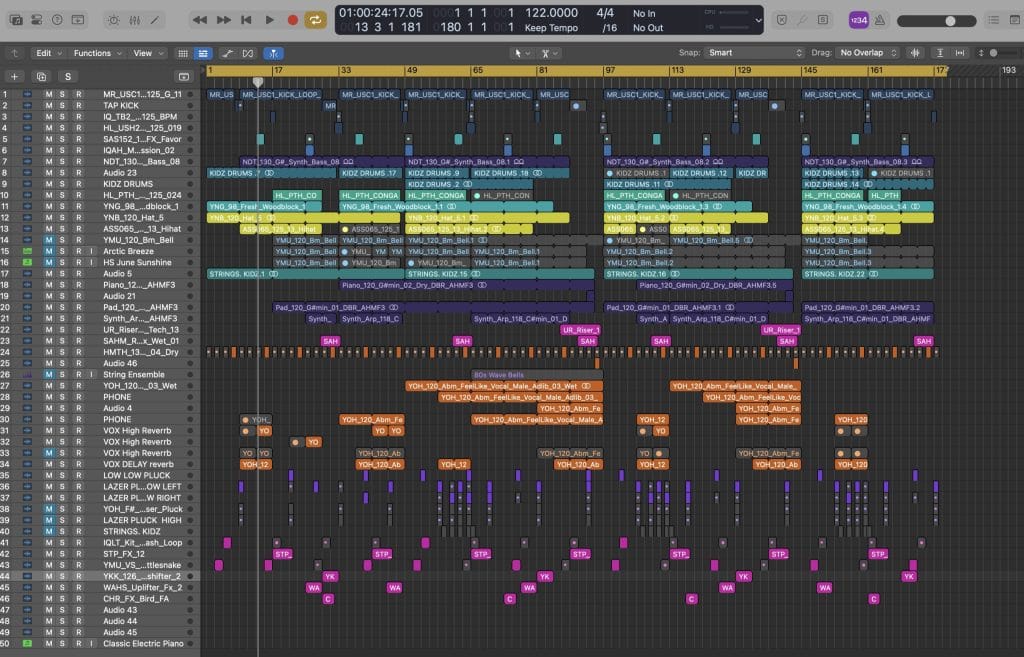
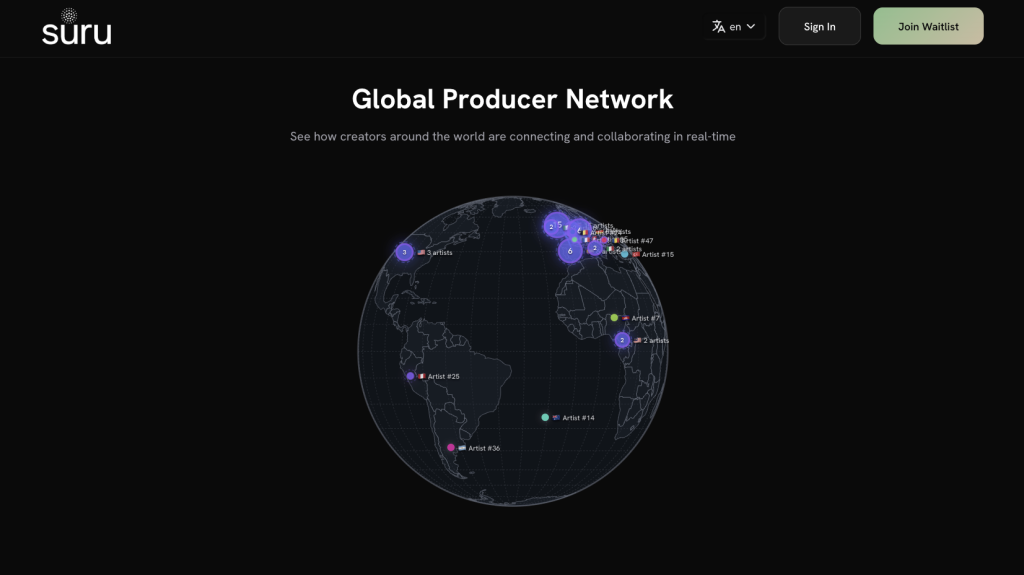
Dan described it as a creator-first platform that combined high-quality music sharing, detailed feedback, and direct access to professional sessions and services, with support designed for artists who wanted to finish work, release it properly, and understand the business side without guessing. He also framed it as a collaboration space, with an emphasis on practical tools for listening and review, including lossless audio playback and options that helped coaches, label owners, and collaborators evaluate a track quickly.
What made this interview useful was that Dan kept the focus on outcomes.
He talked about how validation from the right people can shift confidence, how iterative feedback across early and late versions can keep a project moving, and how Suru was meant to fit into a producer’s routine as a single place for feedback, sessions, collaboration, and music discovery. The through-line was trust, and the intent was to make online support feel grounded, consistent, and worth returning to.
Interview With Dan Duncan
Take me back to the moment Suru first came up. What problem were you personally trying to solve when the idea surfaced?
In my early years making music, I struggled to find people I could trust for constructive advice and professional services inside the industry. I dealt with a long run of false promises from companies and individuals who charged for services that did not deliver real results, and it left me feeling isolated and unsure of my direction.
When you are committed and working hard to develop your work, it can get undermined by people who focus on financial gain while taking advantage of the fact that artists will do almost anything to hit their goals. I wanted to find my people, so I could feel part of a group that understood what I was trying to do, and I could ask questions that helped me build skills without feeling taken advantage of. Over time, it became obvious this problem was common across the creative space.
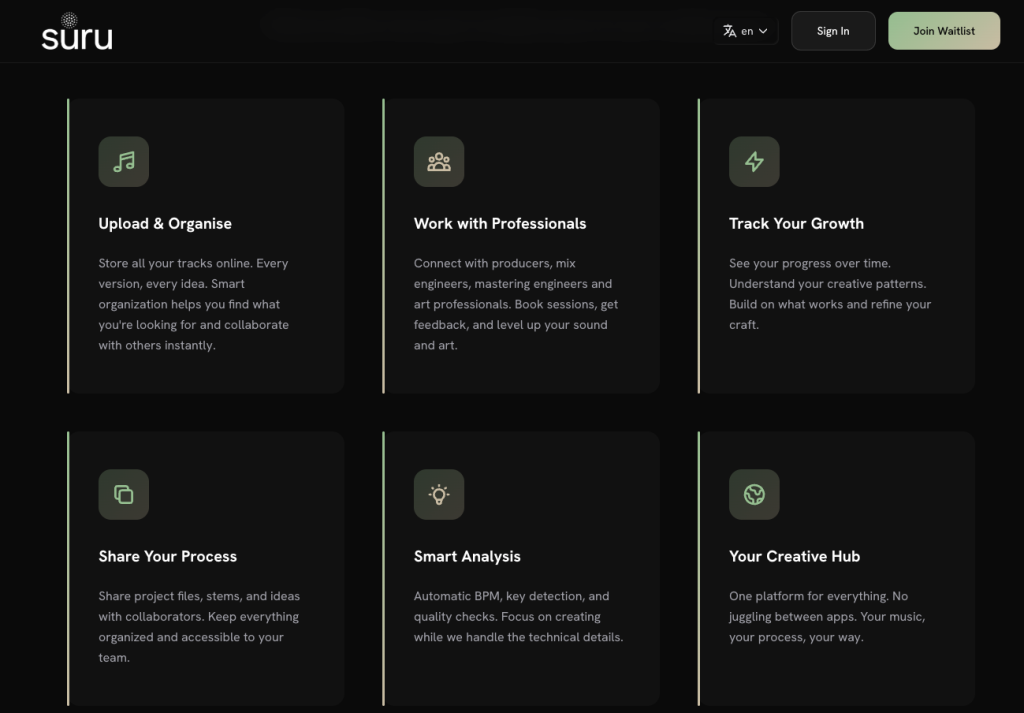
When I connected with the founders of Suru Music, we aligned quickly on building a platform that offered real support for creators. The aim was a place where artists could rely on a curated group of professionals, and where technology could connect them to advice and services that helped them understand what to avoid and what to focus on. Suru Music was built with the goal of becoming a central hub of tools that support creators across the board.
It is designed to help artists share music and receive detailed feedback inside a creator-focused environment, and it is also meant to clarify topics that trip artists up, like publishing rights, social growth, self-awareness, entertainment law, and revenue. It is a collaboration hub with support for multiple languages, so artists can work together regardless of location. Suru Music is made by artists, for artists.
How did your day-to-day experience working with producers shape the first version of the product?
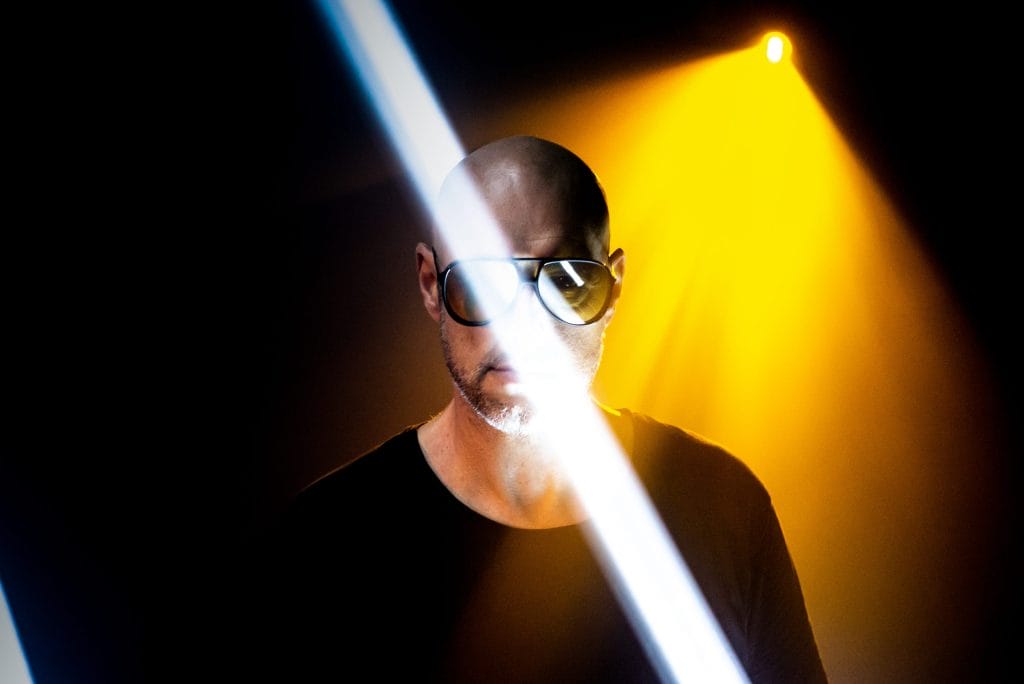
Timo Maas and I are founders of Suru Music, and we have spent a lot of time mentoring artists. We saw that when you give someone real validation and clear guidance, it often increases confidence far beyond one track, and it changes how they show up as a creator. We had been thinking about this for years, and we wanted to be part of solving it in a practical way.
Timo and I also agreed we would have benefited from a platform like this earlier in our careers. We were fortunate to meet Alex Noakes, who led the technical build. He is a software architect, and he also comes from music production, so he understood what users need and how to translate it into product design.
When you look back at the earliest build, what assumptions about producers turned out to be wrong?
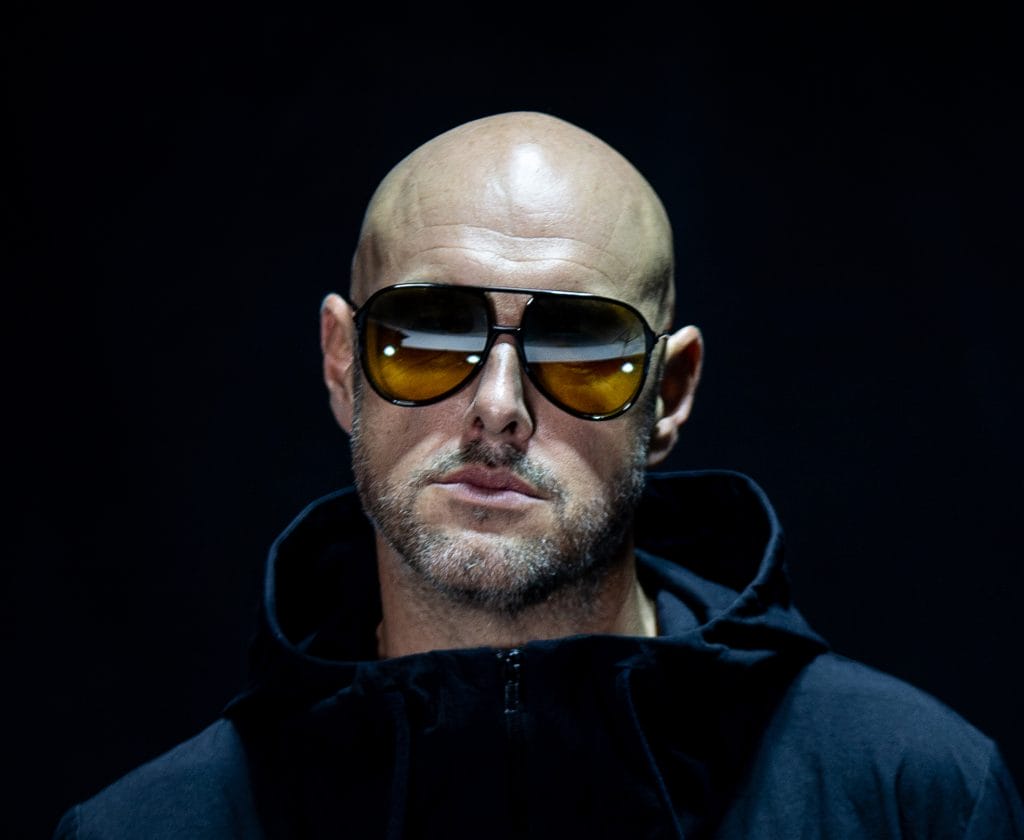
That is a hard one, because I want to say none, but that can sound overconfident. Since this was built by artists for artists, we had a clear view of who it needed to serve and what it needed to do. We are users as well as builders, so the core needs were obvious from the start. As we move forward, new details keep coming into focus, but the ethics and the intent have stayed the same since day one.
When did you feel confident that Suru was actually helping producers finish work more consistently?
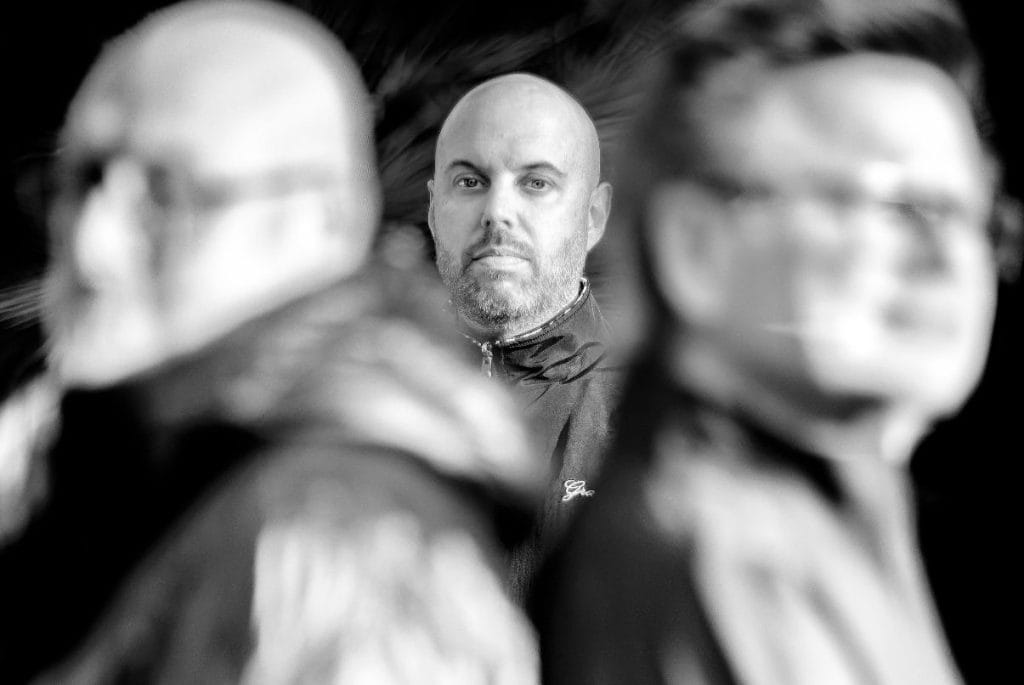
We saw people share multiple versions of tracks, from early sketches through final mixes, and the feedback they received was specific enough to help them make decisions and commit. That kind of feedback can strengthen an artist’s direction, and it can help them finish work with more confidence. Praise from friends can feel good, and targeted feedback from a creator-focused group or from a professional session can change how you hear your own work.
We also saw strong demand from artists asking to join early, because they heard the quality level of music being shared and they wanted to be part of that environment.
How do you personally use the platform now, either as a coach or as a creator?
I share my own music in lossless audio, I request feedback, and I collaborate with others. I also provide services, including one-to-one sessions, and I offer audio engineering services. I search for new music and artists on the platform, and I leave feedback as often as I can, because I want to contribute to a group I feel connected to.
Looking ahead, how do you want Suru to fit into a producer’s daily routine rather than feeling like another task?
Suru Music is meant to support daily use, since it covers sharing knowledge, giving advice, receiving advice, sharing music, and collaborating. It is designed as a single platform for music work, including high-quality listening, feedback, collaboration, and practical review tools. The goal is to simplify how people listen to music and work on it, and to make it easier for coaches, label owners, and collaborators to evaluate tracks quickly.
Knowledge matters, and knowledge paired with real application changes outcomes for artists. Many artists use multiple online platforms for sharing audio and collaborating, and Suru is meant to reduce that fragmentation by putting core needs in one place, so creators can keep focus on finishing work and improving decision-making.
The post Dan Duncan on Why Suru Was Built for Working Producers appeared first on Magnetic Magazine.