


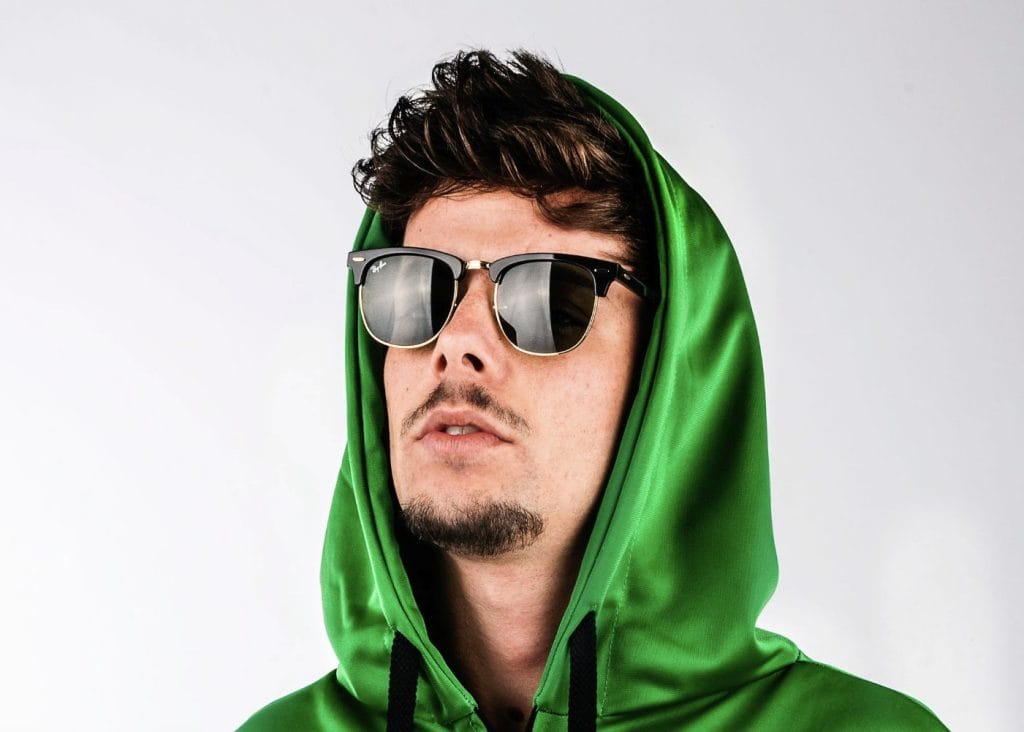
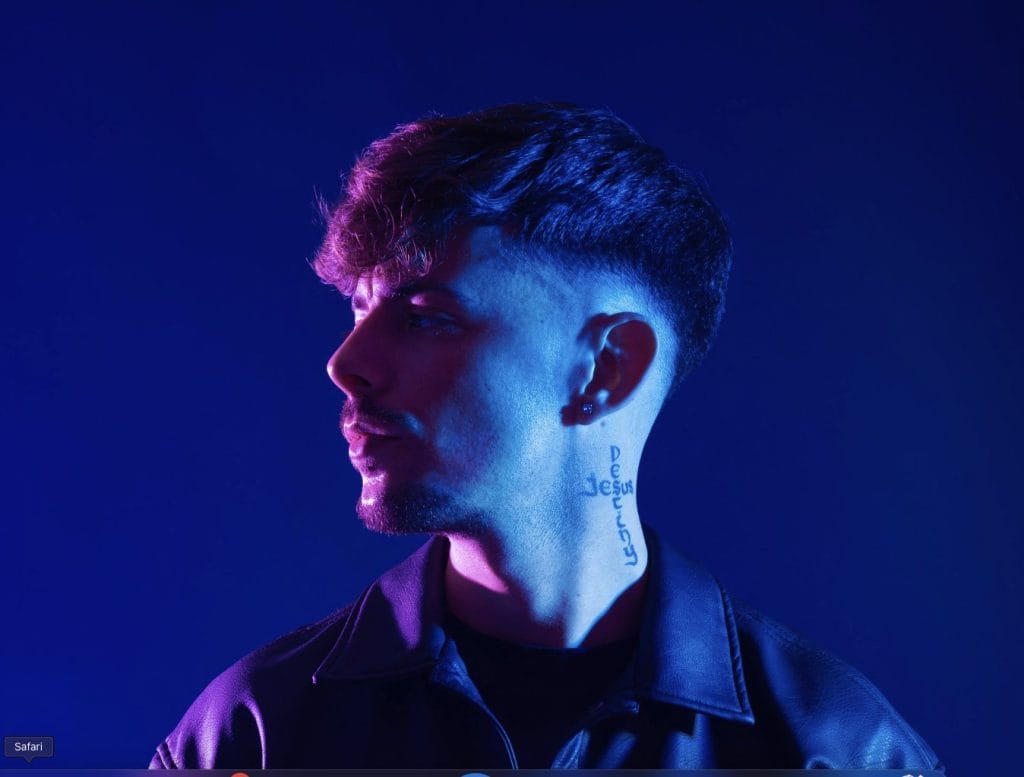
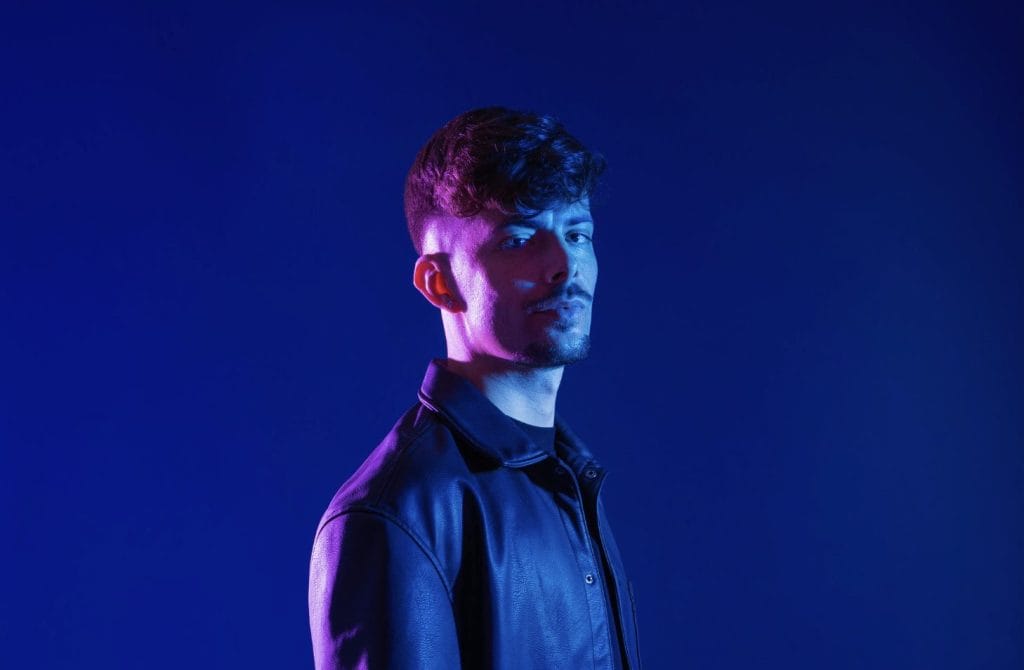
Amedeo Picone opens 2026 with his debut on Joseph Capriati’s Metamorfosi Records, releasing the four-track Get Naughty EP on January 30. The Neapolitan producer has built his recent rise through a steady run of club-focused records and international bookings, which led to Capriati bringing him into the Metamorfosi catalog. The EP presents four distinct cuts that move between rolling percussion, vocal hooks, and peak-time structures, positioning Picone inside the label’s forward-leaning house and techno direction.
At the same time, Picone’s career has developed during a period where visibility and branding play a growing role in how DJs are perceived and booked. His approach has remained centered on studio work, record releases, and performance rather than online image. That mindset shapes how he chooses projects, evaluates opportunities, and defines success in a crowded field where social reach and musical output often compete for attention.
In this interview, Picone speaks directly about the influence of social media on DJ culture, how he draws boundaries between artistry and branding, and why musical integrity still guides his decisions. His answers provide context for the Get Naughty EP and explain how his production work connects to a broader view of credibility, patience, and long-term development inside contemporary club music.
Interview With Amedeo Picone
When did you first notice the influencer economy bleeding into DJ culture?
I think it started creeping in around 10 years ago, when social media shifted from being a simple communication tool to becoming a form of currency. I remember noticing it clearly at a few festivals where artists with relatively little musical output were getting prime slots, largely because of their online presence. That was probably the moment I realised socials were no longer optional — they had become part of the ecosystem.
At the same time, I was already deep into production, so for me it never felt natural to build a career around visibility first. I chose the opposite path: develop my sound, release music, build credibility through records and sets, and then let socials support that. Today, I see them as a tool, not a foundation. They help amplify what you do, but they shouldn’t define what you do.
Do you ever feel pressure to be presentable in ways that have nothing to do with music?
Not really.
Because of the way I’ve built and continue to build my career, everything has always been music first, then everything else. Building credibility in this world is probably the hardest thing, but I believe I’ve earned it. I feel that people recognize that.
How do you personally draw the line between being an artist and becoming a brand?
This is very complicated to navigate nowadays.
Every day I sit in the studio producing my music, and when I’m on tour, I’m fully focused on what I have to do during my DJ sets. At the same time, it’s undeniable that today there are many other aspects that are part of this job on a daily basis, and you have to accept that. I think the only real difference is how much work you put into one thing versus another — but being a DJ in 2026 also means being a brand.
What’s something you’ve turned down or avoided because it felt too influencer-coded?
Honestly, I don’t usually frame decisions in terms of “influencer-coded.” If I’ve turned something down, it’s almost always because I didn’t feel a real connection to the project. For me, the filter is musical integrity.
I’m attracted to projects where there’s a clear artistic vision, where music is central, and where I feel I can contribute creatively — whether that’s a label, a gig, or a collaboration. If something feels empty, purely transactional, or disconnected from sound, I naturally lose interest.
Being visible online is now part of the job, and I accept that. In a way, we’re all influencers today. But in my day-to-day life, I still structure everything around music first: studio time, digging, refining ideas. Socials come after. I do dedicate specific moments in the week to content and outreach, but I try to keep that separate from my creative flow. I don’t want algorithms deciding how I make records.
At the end of the day, I see influence as something that should come from consistency and quality over time — not from chasing moments. My goal has always been to let the music speak first, and let everything else follow.
Have you seen careers accelerate because someone had better content, not better sets?
Of course — I’ve seen many careers accelerate for reasons that are quite far from the music itself. But the truth is that in 2026, unfortunately, music alone is no longer enough.
To compete, you need strong media and social content, strong connections with the right people, and a lot of money to invest. That’s generally how it works, although there are exceptions. I built everything step by step, through years and years of grinding and sacrifice, and I’m proud of that. At the same time, I don’t judge anyone — everyone is free to follow their own path, however they can.
Do you think followers are starting to confuse reach with skill?
I think this gets very confusing nowadays, but it’s not really people’s fault — it’s how the business currently works, and also partly the responsibility of artistic directors who book certain characters in major DJ booths.
I strongly believe one thing, and I always say it to anyone who feels confused (and it usually gets a lot of agreement): you might not always notice when a DJ is bad, but you will always notice when a DJ is great.
How do you think we can protect the craft in a culture that rewards optics over ability?
That’s a great question. I don’t know if we’ve already reached the point of no return, and maybe we just have to accept that this is how things work today. In any case, a smart move for highly skilled DJs and producers would be to evolve by also learning some of the skills of these pseudo-DJs. Sometimes, to beat the system, you first have to enter it — and then change it.
The post Amedeo Picone on Staying Music-First in the Age of Influencer DJs appeared first on Magnetic Magazine.