






Table of Contents
When I started producing, the biggest bottleneck in my workflow came from moments where I had no idea where to take a melodic idea. I would loop a four bar pattern for way too long, hoping something would click.
Maybe you’re a producer, and you go through the same thing and never even give thought to how learning chord progressions speeds up your music production workflow. You build a drum loop, layer a couple of sounds, and then stare at your screen because nothing connects. Harmony feels like something advanced producers think about, and many newcomers avoid it since it seems like a different world from sound design or beat making.
As time went on, I realized that harmony was not some academic chore. It was the missing structure that helped me make decisions faster. Understanding chord progressions gave my tracks a roadmap.
Once I had that roadmap, everything else became easier. Melodies made more sense, basslines felt more purposeful, and arrangements came together without fighting me at every step. Harmony provided direction, and direction turned into momentum.
The Building Blocks: Chords, Keys and Scales
What Are Chords and Progressions
The first time someone explained chord construction to me, it felt like unlocking a cheat code. Chords are built by stacking specific notes from a scale, and that simple concept opened the door to understanding why certain combinations always sound good. A major chord uses the first, third, and fifth notes of a major scale while a minor chord replaces that third with a lower tone.
Once you see how these shapes work, you can build them in any key without guesswork. This helps when sketching out ideas because you have a framework that your ears naturally understand.
A chord progression is a series of chords that follow one another in a repeating cycle. These progressions guide the emotional flow of your track. Roman numerals help you think about chords based on scale positions. When you learn progressions like I IV V or vi IV I V, they become building blocks you can transfer across any instrument or key. These shapes appear in countless songs across genres because they support melody in a reliable way. Learning them gives you a huge head start when crafting your own ideas.
If you need a foundational breakdown that goes even deeper, Native Instruments did a fantastic breakdown in this article of the ten most commonly used chord progressions, which can be the perfect primer for any composer or producer just starting.
Pro Tip: Create a MIDI clip that contains every major and minor triad in your chosen key. Drag it into your project when ideas dry up. Highlight different combinations and audition them on a pad or pluck. You will find progressions faster and learn through repetition.
Keys and Scales: Setting the Framework

When you pick a key, you pick the collection of notes that will define the mood and direction of your track.
A major key leans brighter and more energetic while a minor key leans more introspective or moody. Many producers skip defining the key and end up fighting melodic or bass elements that clash. I went through this for years before I understood how helpful it is to commit to a key right away. Once you do, melodies fall into place faster because you limit your choices in a healthy way.
Transposing a progression becomes easy when you think in numerals instead of specific notes.
If you create a progression that feels right but sits in a difficult range for a vocalist or instrument, you can shift it without rewriting the musical idea itself. This flexibility becomes extremely helpful in collaborative sessions. It also helps when you want a different emotional color but want to preserve the same melodic contour. Once your brain adjusts to the system, your workflow picks up speed.
Pro Tip: Keep a simple chart of all major and minor keys next to your workspace. It helps you internalize their notes through quick visual reminders during sessions.
Chord Progressions and Emotion
Major and Minor Moods
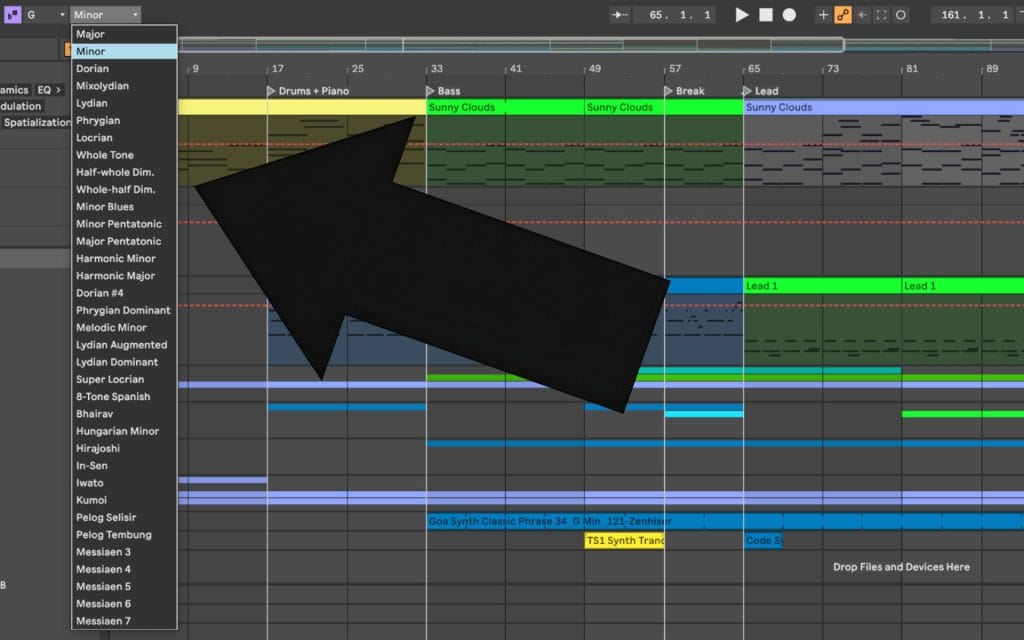
Most producers understand on some level that major feels uplifting and minor feels heavier, but the reason behind this comes from the third of the chord. Changing that single note shifts the entire emotional quality. When I began experimenting with this intentionally, my tracks started carrying emotional clarity instead of feeling accidental. Major intervals tend to feel more open while minor intervals introduce tension. Once you start hearing this, you realize how much direction you can give a track by choosing the right chord type early on.
Producers often want to create emotional depth without clutter. Chord selection gives you that depth. You can communicate energy, nostalgia, melancholy, or triumph simply by choosing the right harmonic shapes. When you combine major and minor chords inside the same progression, you control where the listener feels uplifted or grounded. Studying how different keys influence mood gives you another layer of control. This leads to faster, more confident choices in production sessions.
Pro Tip: Play a four chord loop using only triads. Then change the third of each chord to flip major to minor or minor to major. Notice how the emotional shape transforms without changing rhythm or voicing.
Tension and Release
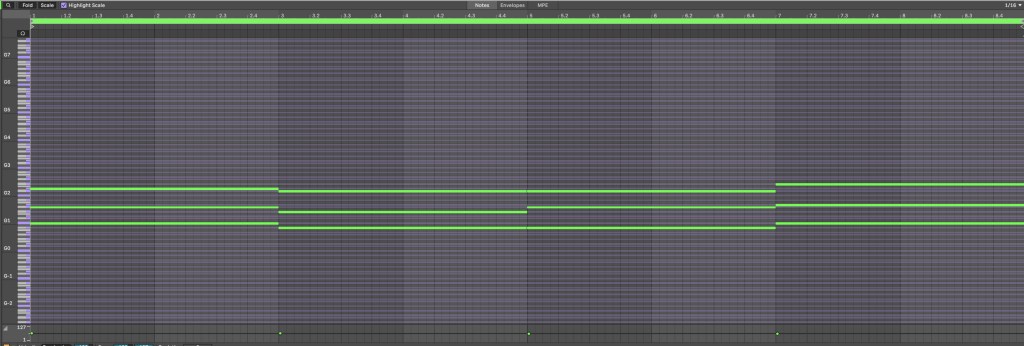
Music becomes engaging when it moves between moments of stability and moments of anticipation. This movement comes from harmonic function. The tonic feels like home, the predominant feels like motion, and the dominant feels like pressure building toward resolution. Once you understand this relationship, your progressions feel intentional.
You can plan sections of your track in a way that supports drops, breakdowns, and transitions without forcing anything.
Most electronic producers rely on arrangement to create impact.
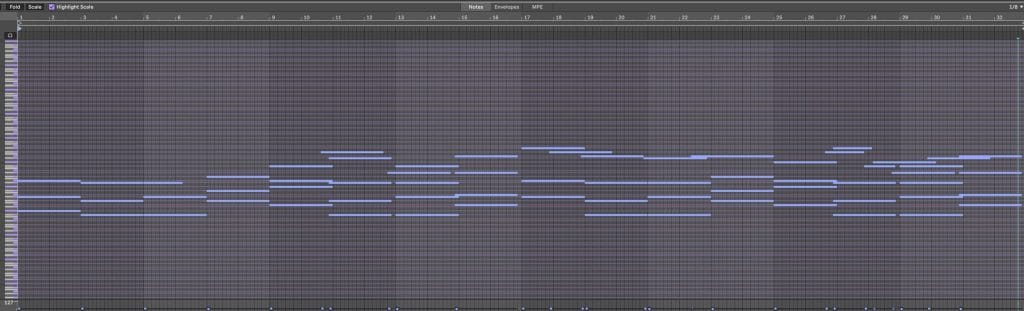
Harmony supports that impact and often amplifies it. When the harmony resolves at the same moment a drum fill hits or a synth opens up, the moment lands with more power. This connection usually happens naturally once you understand how to shape tension with chord function. You will find yourself creating smoother transitions and more satisfying drops simply by paying attention to tension cues in the progression.
Pro Tip: Try writing a progression that avoids the tonic for eight bars. Bring it in at the end as a payoff. This simple technique can give breakdowns or builds a stronger sense of lift.
Modes, Borrowed Chords and Advanced Colour
Modes give you new flavors inside familiar territory. Dorian, Phrygian, and Mixolydian are great starting points for electronic music because they have clear character. When I first started experimenting with modes, I felt like I discovered entirely new genres inside the same DAW. Modes help you escape repetitive progressions that feel predictable. They deliver new emotional colors that sit between major and minor.
Borrowed chords add variety when progressions start feeling stale. Pulling a chord from a parallel mode can introduce surprise without sounding out of place. These techniques become incredibly useful when a track feels too straightforward. They inject personality into your harmony and help your music feel unique. Once you become familiar with these tools, your progressions gain depth that listeners feel even if they cannot describe it.
Pro Tip: Write your standard progression. Then borrow the iv or bVII from a parallel minor mode. You will hear an immediate shift in color.
How Learning Progressions Boosts Production Speed
Less Trial and Error

Every producer knows the pain of dragging MIDI notes around hoping something clicks.
Learning harmony cuts that down dramatically. When you understand the role of each chord inside a key, you place notes with confidence. Sessions feel more focused because your decisions come from awareness rather than luck. You also avoid spending an hour fixing a clashing melody since you know the available notes before writing anything.
Knowing progressions speeds up your arrangement since you can map out harmonic movement before designing sounds. Once the harmonic base works, the rest of the track builds naturally. You gain momentum because fewer parts of the process feel uncertain. Over time, this discipline compounds and your entire workflow becomes smoother. You spend more hours finishing tracks rather than searching for ideas.
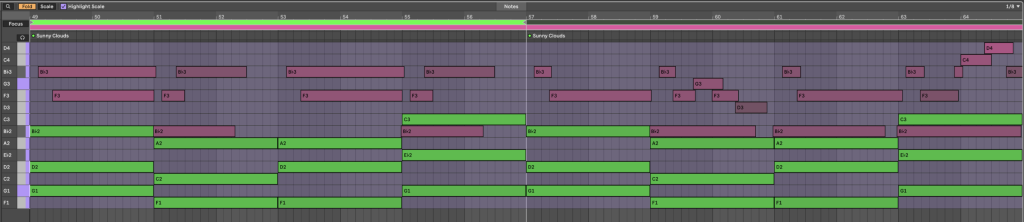
Pro Tip: Before designing any sound, sketch the entire chord progression using a simple sine wave or piano. Only move to sound design once the harmony feels locked in.
Better Hooks and Melodies
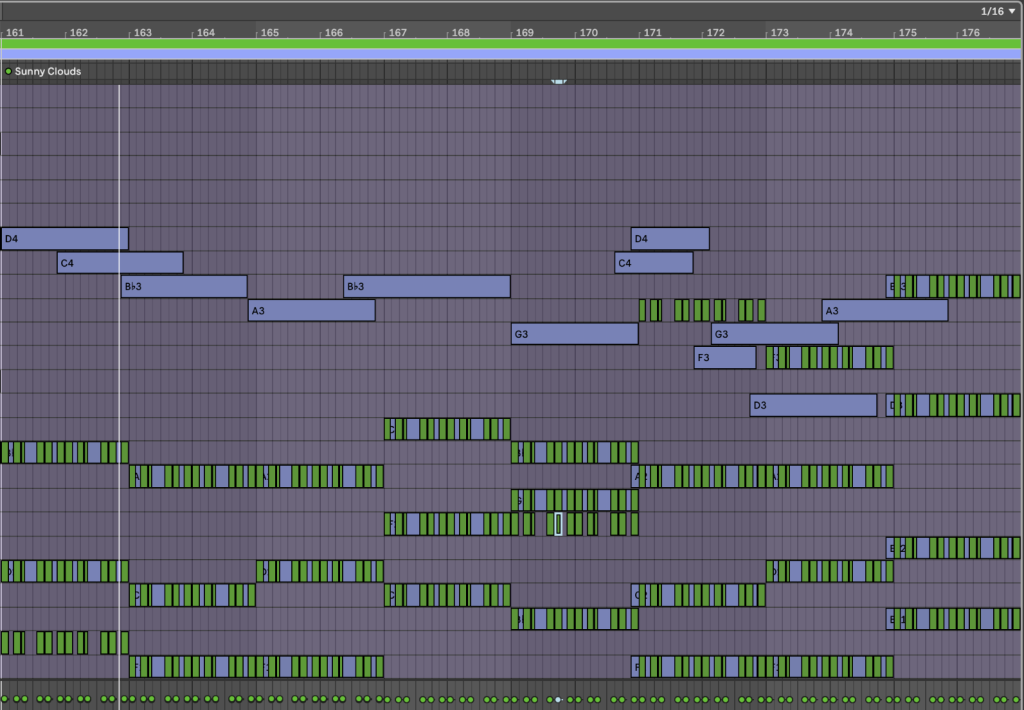
A strong chord progression sets the stage for a strong melody.
When I first started producing, my hooks felt unfocused because the harmony underneath did not support them. Once I aligned my melodies to the scale tones in the progression, everything made more sense. Good harmony guides your ear toward notes that already feel connected. This removes the confusion many new producers feel when melodies fail to land.
Harmony also reduces time spent fixing mistakes. You know the available pitches, so your melodies sit where they belong from the beginning. Hooks become easier to write because your choices have boundaries that help you stay consistent. This gives your track a clearer identity and helps vocalists find their space quicker. When harmony and melody support each other, the writing process feels much smoother.
Pro Tip: Limit yourself to the first, third, fifth, and seventh notes of the scale when writing a hook. Then slowly introduce more colors. This builds strong melodic instincts.
Collaboration and Communication Benefits
Basic theory transforms the way you work with others. Producers, vocalists, and instrumentalists communicate faster when they share a common language. Small instructions like asking for a certain interval or suggesting a chord alteration keep the session organized. Clarity fosters creativity because nobody wastes time interpreting vague directions.
Collaborators appreciate producers who understand harmony. Vocalists find their melodies easier. Instrumentalists feel guided. Producers who join you in the session understand your direction immediately. This harmony-focused communication builds trust and leads to stronger final tracks. It also shortens the time it takes to get a full arrangement into shape.
Pro Tip: Before any session, prepare a short harmonic roadmap of the track. A few notes on key, scale, and structure save hours later.
Conclusion
Learning chord progressions is one of the most powerful steps you can take as a producer.
Harmony gives you clarity. Clarity turns into speed. Speed turns into finished tracks that reflect your artistic identity. This process builds confidence and sets the stage for deeper learning as you grow.
Start with a handful of simple progressions. Practice transposing them across keys. Build a progression library in your DAW. Combine these habits with ear training and small theory sessions. Over time, harmony becomes instinctive. The entire creative process feels smoother and more purposeful. The goal is to support your intuition with a framework that helps you create music with direction and ease.
The post How Learning Chord Progressions Speeds Up Your Music Production Workflow Right Now appeared first on Magnetic Magazine.