


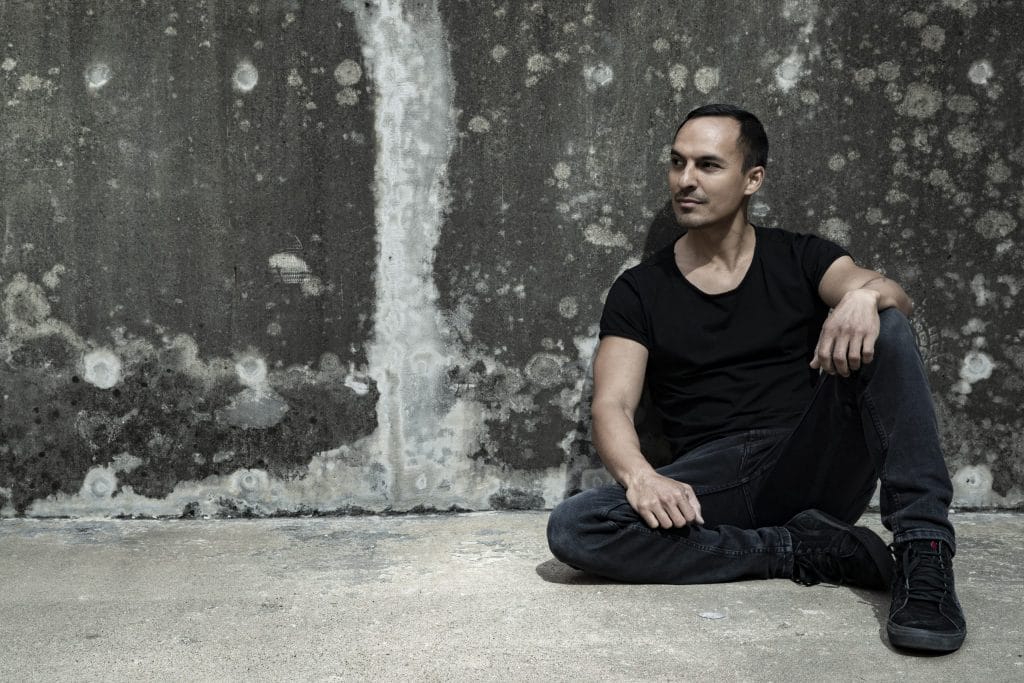

There is a clear difference between DJs who chase what is circulating and those who listen for what lasts. Rod Brito has always fallen into the second category. His selections and productions tend to prioritize structure, emotional pacing, and long-term resonance over immediate impact, which has quietly shaped his presence on dancefloors for decades.
That approach runs directly through Waves Like This, his latest EP on Red Room. Released on November 21, 2025, the record reflects a deeper listening posture, one focused on cycles, restraint, and emotional continuity rather than peak-driven urgency. Across the EP’s three tracks, Brito explores groove and atmosphere with patience, allowing space and repetition to do the work instead of relying on overt drama.
In this conversation, Brito speaks openly about how he filters hype from meaning, why anonymity matters when listening to new music, and how resisting trend pressure often has less to do with defiance and more to do with maintaining a stable internal compass. It is a grounded look at taste, longevity, and what still makes music feel human in an era of constant motion.
Rod Brito Interview
When you’re digging, what makes a track stick with you emotionally beyond whether it’s hot right now?
I’m drawn to tracks that have a clear internal logic, where the progression, space, and rhythm feel like they belong to the same idea. You can sense when a producer isn’t trying to imitate the moment but is following their own thread. When a track has that kind of coherence, I know it’ll age well in my sets.
I’m less interested in instant impact and more in pieces that open a different door in the room.
Have you ever played something totally out of step with current trends just because it felt right?
Yes, and it usually happens in moments where the energy needs recalibration.
A long set gives you room to reference older textures or sounds that aren’t circulating in the current cycle. Sometimes a slightly forgotten style, a deeper, dubbier, or more melodic piece, shifts the room into a more attentive state. If it serves the atmosphere I’m building, it goes in, regardless of the trend narrative.
Do you think DJs feel more pressure now to stay current than they did ten years ago?
There’s a different kind of pressure now. Not necessarily to stay current, but to stay visibly active. The constant flow of clips, IDs, and charts creates the illusion that you’re falling behind if you’re not always pushing new material. At the same time, the amount of music being released weekly has grown massively, so filtering is more demanding. Staying current isn’t difficult. Staying discerning is.
How do you personally filter out hype from real emotional connection when you’re listening to new music?
I listen anonymously. Promos, demos, and new finds all go into a folder stripped of context. No label names, no artist names, no trends attached. I want to hear the structure and intention first.
Once I choose the tracks that resonate purely on their own merit, then I look at who made them. It’s a simple way to keep my selection honest.
What’s a track you love that most people might not get, and why do you keep it close anyway?
There’s a track from my latest EP Waves Like This that fits this perfectly. It’s not the most obvious one on the record. It’s the more restrained, reflective piece in the project.
Some people might hear it and think it’s too subtle or too patient, but to me that’s exactly why it matters. The whole EP was built around the idea of family, union, and the cycles that shape us, the experience of forming a family and understanding how love moves in repeating patterns, like tides.
That particular track carries the emotional core of that process. It’s quiet, but it has a kind of emotional durability that still surprises me when I play it in the right room. Most people won’t get it on first listen because it’s not designed for immediate reaction.
It reveals itself slowly. When I play it, it’s not about impact. It’s about grounding the set in something human. It reminds me why I make music in the first place, so I keep it close.
Has there ever been a moment where a timeless track landed harder than the newest release?
Absolutely. Some older records don’t rely on modern loudness or exaggerated dynamics, but they have emotional circuitry that still reads perfectly on a dancefloor. When you put them next to newer, high-impact releases, the contrast is striking. It reminds the room, and myself, that longevity isn’t accidental.
Do you ever feel like resisting trends is its own form of creative identity?
I don’t approach it as resistance. I try to maintain a stable center, a sense of what belongs in my universe. If a trend fits naturally, I’ll integrate it. If not, I leave it. Over time, that selective consistency becomes an identity on its own.
It’s less about pushing against the current and more about not allowing the current to define your direction.
The post Rod Brito Explains How Timeless Tracks Still Win on the Dancefloor appeared first on Magnetic Magazine.