



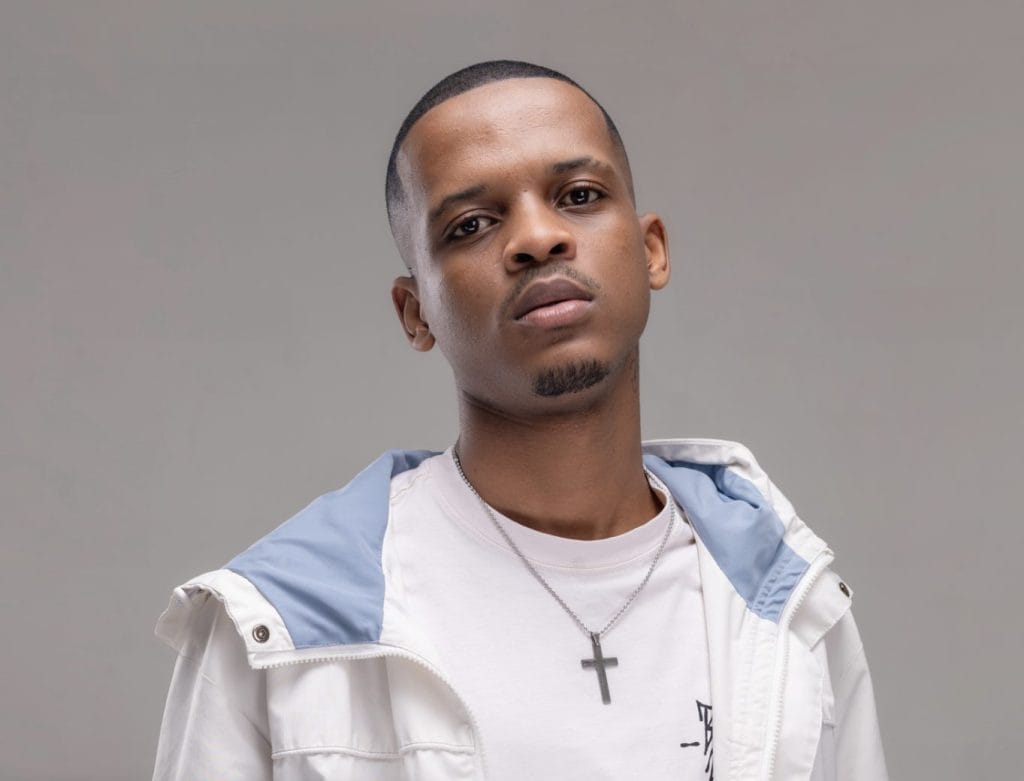
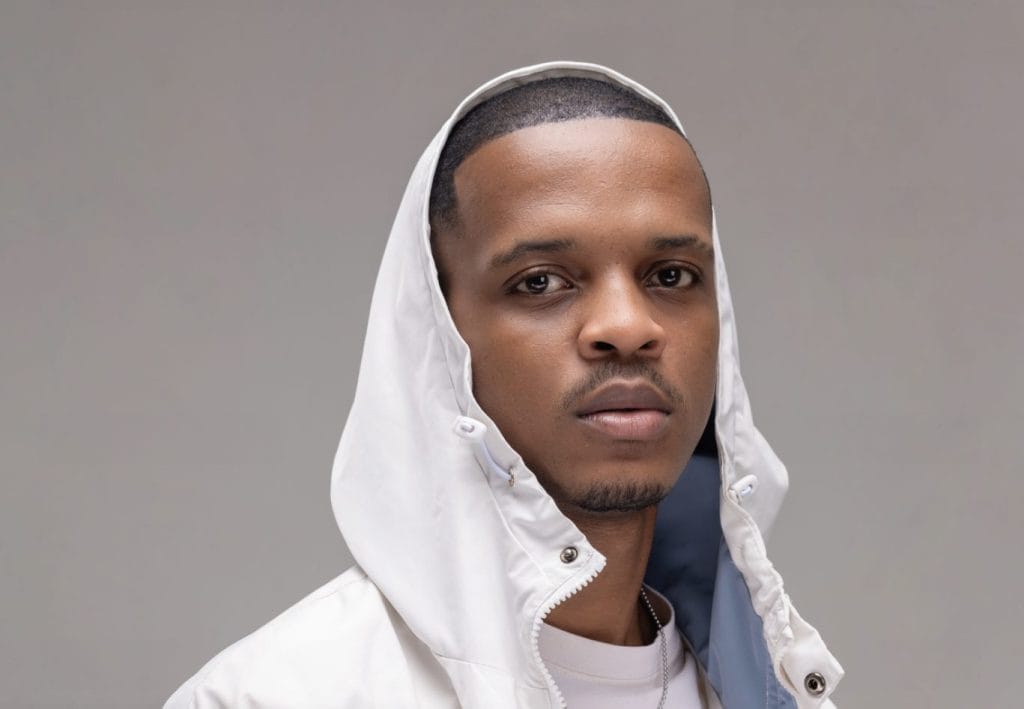
South African producer BlaQRhythm appears on Mayonie Productions’ new Various Artists compilation Evolution of Afro House, released on 21 January 2026. Founded in Durban by Zakes Bantwini, Mayonie Productions has built its identity around Afro house and tech-influenced club music shaped by regional scenes and long-term artist development. The compilation brings together seventeen new tracks from Marco Pex, BlaqRhythm, Drega, Deena G, Maline Aura, Zakes Bantwini, and a wide network of collaborators, reflecting the label’s role in connecting local culture with global dance floors.
BlaQRhythm’s contribution arrives at a time when Afro house continues to expand internationally while remaining closely tied to community-based networks of promoters, artists, and venues. His work has grown through these systems rather than through short-term visibility alone, placing him inside the same ecosystem that defines this release. The compilation represents not only a collection of tracks but a structure built through relationships, shared platforms, and ongoing participation in the scene.
In this interview, BlaQRhythm speaks about how bookings form from the artist’s side, including how decisions are shaped by audience, environment, and long-term artistic direction. His answers connect directly to the framework behind Evolution of Afro House, a project assembled through collaboration and label continuity rather than short-term exposure. Together, the release and the interview outline how Afro house artists build sustainable careers through alignment with the right spaces, the right people, and the right projects.
BlaQRhythm Interview
What’s something you wish more people understood about how bookings actually happen from a DJ or artist’s perspective?
I really wish fans understood that bookings aren’t always as simple as they seem from the outside. It’s not always just about the money, even though people often assume that’s the main factor.
Sometimes it’s about the vibe of the event, the kind of audience that will be there, and whether the space allows me to properly showcase my craft. I also wish people knew that we aren’t always in full control of our schedules. There are contracts, negotiations, and other commitments that can affect what we can and can’t do.
A lot of conversations happen behind the scenes that fans never get to see. It’s also not always about playing the biggest or most hyped gigs. Sometimes it’s more important to play the right gigs that align with my artistry and long-term vision. Those choices help build a stronger, more authentic career.
Have you ever gotten booked for a reason that had nothing to do with the music and how did that feel?
Yes, I definitely have felt that conflict before.
There have been moments where I questioned whether I was being valued for my actual craft or just for my name, image, or who I’m connected to. Honestly, I’ve always wanted to be an artist who is respected for their art first and foremost. I want people to connect with the music, the message, and the feeling I create. Not just the hype around my brand or the relationships I have. It can be hard sometimes because the industry doesn’t always work that way. There’s a lot of emphasis on perception and status.
But I try to stay grounded in why I started in the first place. At the end of the day, I want my work to speak louder than anything else.
Do you think people in the scene are honest about how much social capital plays into opportunities?
I don’t think it’s a myth at all. Social capital plays a huge role in the music scene, whether people want to admit it or not. It’s often about who you know, who you’re connected to, and what circles you move in. Being in the right rooms can sometimes open doors faster than talent alone.
That doesn’t mean skill doesn’t matter, but connections can definitely speed things up. Some people downplay this reality, but it’s a real factor in how opportunities move. Collaborations, bookings, and visibility can all be influenced by clout and relationships. That being said, talent and hard work still count for a lot.
There are many artists who are grinding every day and slowly getting recognized for their skills. It might take longer, but it’s still possible.
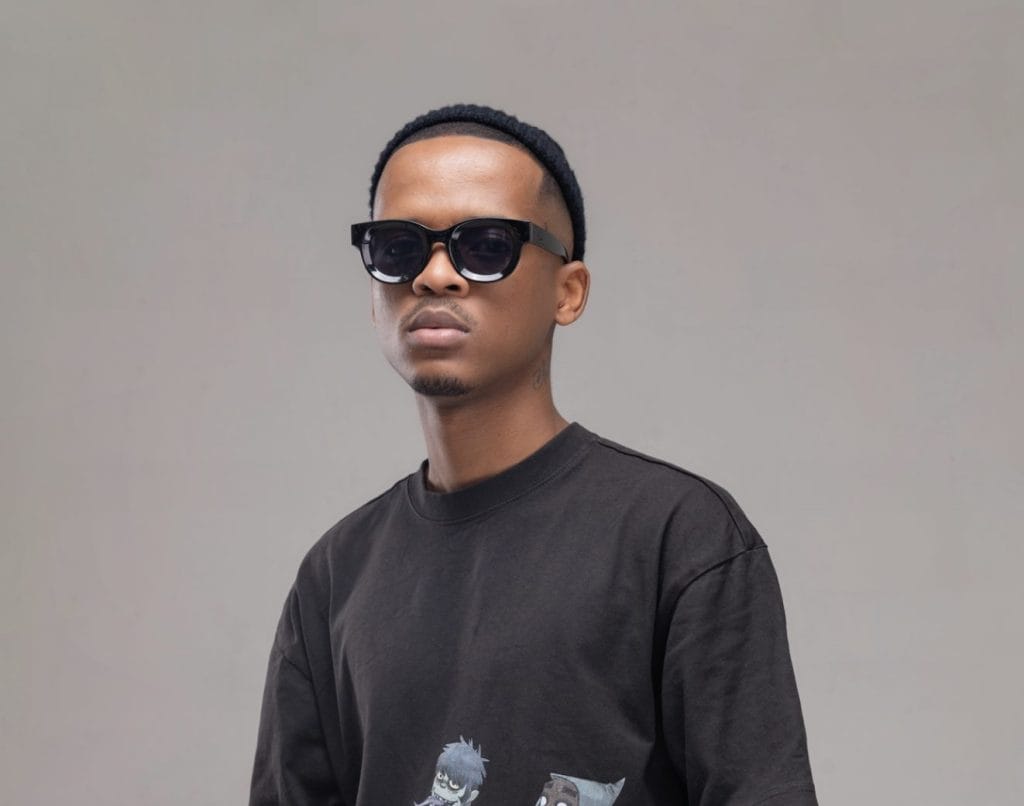
How do you personally decide when to say yes to a booking and when to pass?
For me, it’s really all about reading the vibe and weighing my options.
I don’t just say yes to everything that comes my way. I consider things like the promoter’s reputation, the type of audience, and the overall energy of the event. I also look at how the gig fits into my long-term goals. The payment matters, of course, but it’s not the only factor. I ask myself if this opportunity aligns with my brand and values. If it feels right and meaningful, I’m more likely to say yes.
But if it doesn’t match my direction, I’m okay with passing. Sometimes saying no is just as important as saying yes. It helps me stay focused on what I truly want to build.
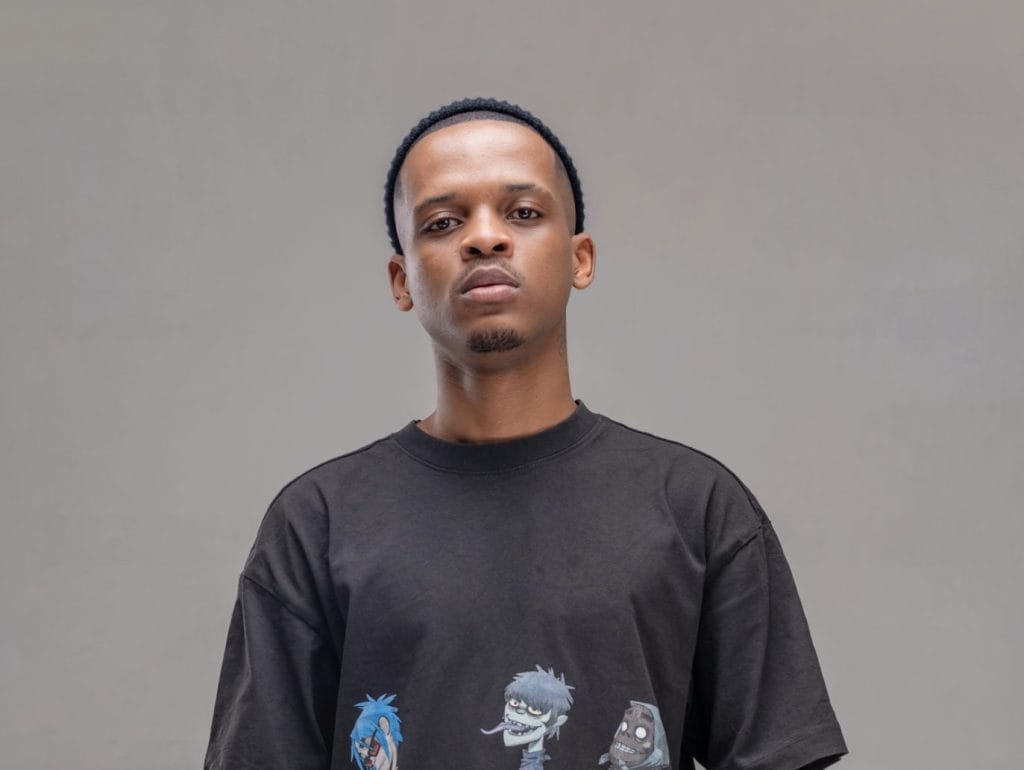
Have you ever had to reframe your idea of success after seeing who gets booked and why?
Not at all. I really believe that we all have different paths. We can’t move the same way, and we can’t win in the same way either. Everyone’s timeline is different, and that’s something I’ve made peace with. Seeing who gets booked and why has never really shaken me. I don’t let it mess with my confidence or my vision. I understand that people have different privileges and circumstances. What’s meant for me will come to me in its own time.
I focus on my own growth instead of comparing myself to others. That mindset keeps me grounded. It reminds me that my story is mine alone.
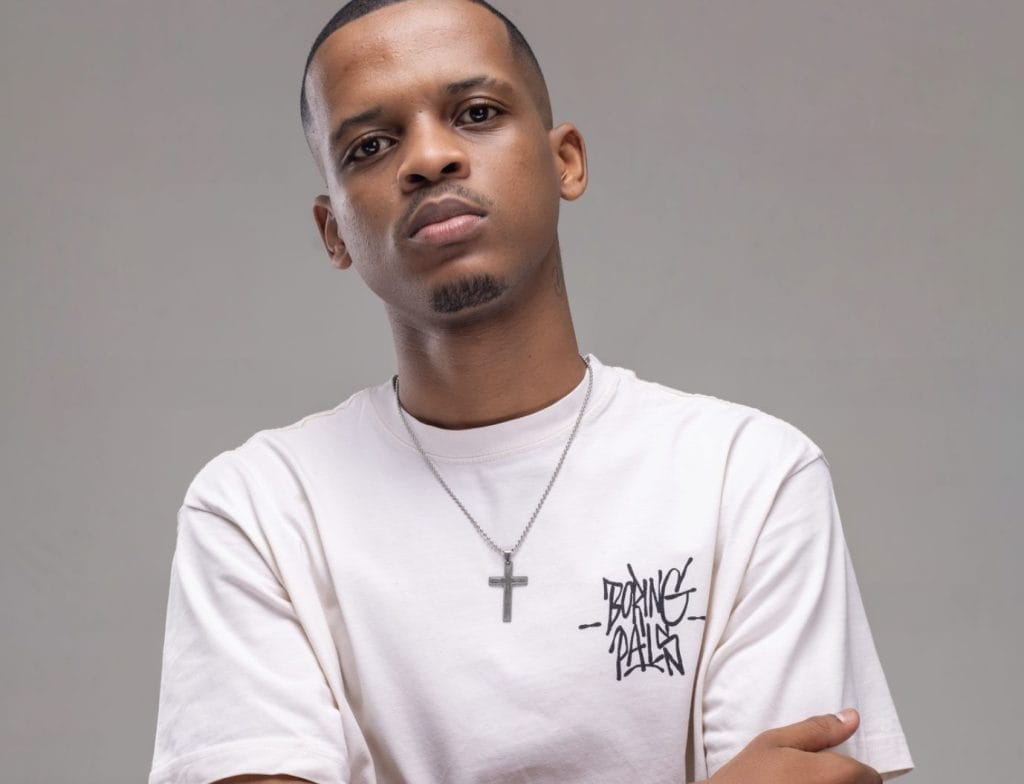
What role do managers, agents, or collectives play in shaping a DJ’s visibility today?
They’re really like the backbone of the whole operation. Managers, agents, and collectives play a huge role in shaping a DJ’s visibility. They handle the business side of things, which allows the artist to focus more on the creative side. They’re the ones making connections and pushing your name into the right spaces. A good team can open doors to bigger gigs and new opportunities.
They can also help with collaborations and label deals. Beyond that, they help with strategy and long-term planning. They guide artists through tough decisions and industry politics. Having the right people around you can make a massive difference. It’s not only about talent. It’s also about having support.
Does who’s on a lineup still feel like a reflection of community or has it become something else?
Yes, I really believe that everyone on stage or behind the decks is still representing their community and their roots. Where you come from always plays a part in who you are as an artist.
At the same time, the industry has shifted a lot toward personal branding and career growth. Artists now have to think about how they present themselves and what makes them distinct. It becomes a balance between pride in where you’re from and building your own identity. People want to represent their home while also standing out. They try to create a signature sound and presence. It becomes a mix of honoring roots and pushing a personal vision forward.
The post BlaQRhythm on Bookings, Community, and Mayonie Productions’ Evolution of Afro House appeared first on Magnetic Magazine.