


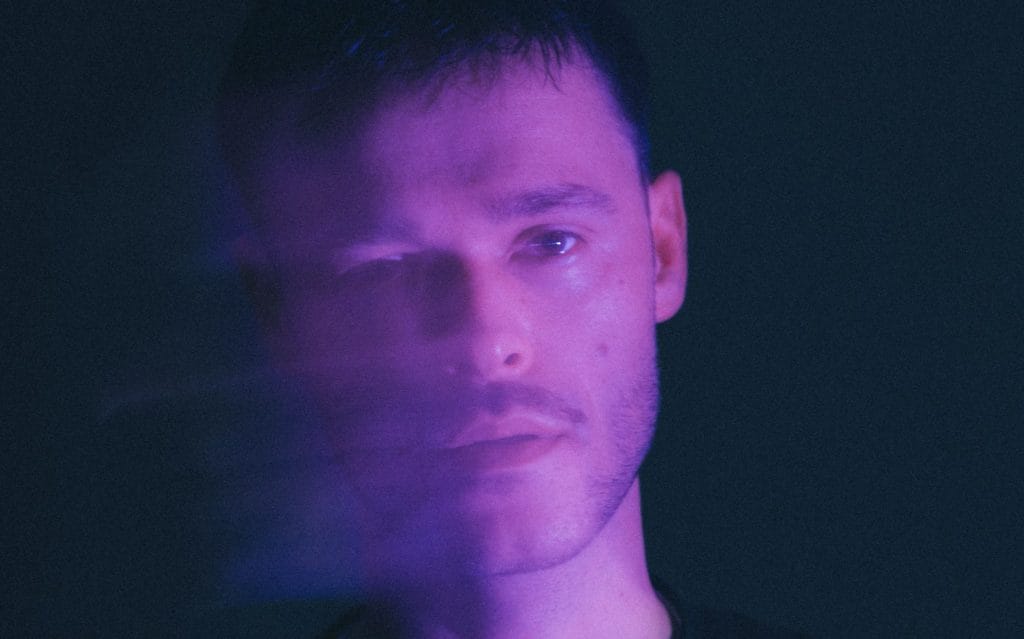
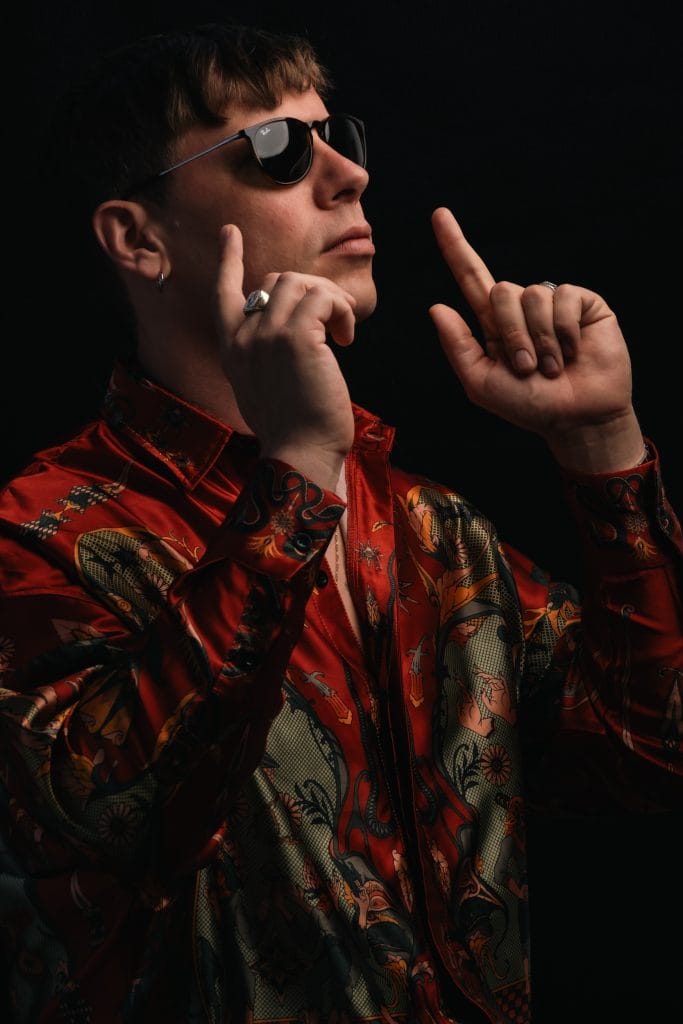

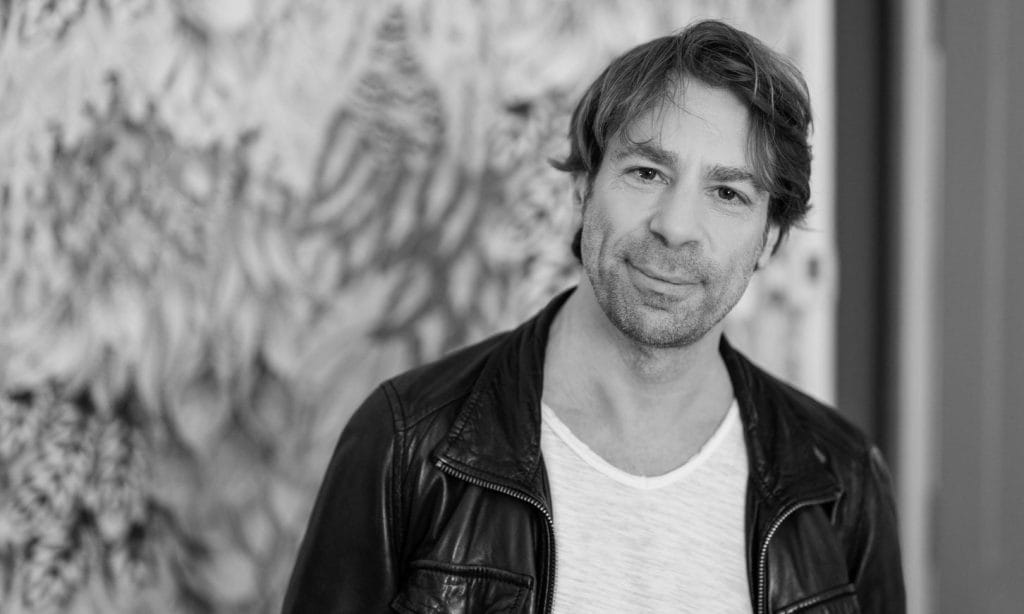
There are very few artists who can speak about club culture across three distinct eras and still feel fully present inside it. D’Julz can. From his early breakthrough in the 90s to his long-standing residency at the Rex Club and the steady evolution of his own Bass Culture Records imprint, he has operated through trend cycles without being defined by them.
In this conversation, D’Julz reflects on how his understanding of DJing has shifted from technical experimentation back to the simplicity of two records and a mixer, why the psychological and energetic side of the craft matters more than ever, and how relevance is less about age and more about intention.
With the digital release of his once vinyl-only JV project, he also marks a new chapter that feels less like reinvention and more like refinement.
Interview with D’Julz
How has your understanding of DJing evolved over the decades as both you and the industry itself have aged?
I went through a lot of experimentation, trying out different technologies, but I always end up going back to my roots: two records and a mixer.
My evolution hasn’t been so much technical as psychological and energetic. DJing is about reading the room, understanding timing, and managing energy. Every gig is a new lesson and a chance to refine what I do.
What still energizes you about showing up to play?
Absolutely. I wouldn’t be able to deal with the excessive travel and chaotic sleep schedule if I wasn’t energize by my work.
A bad gig can create doubts: do I still want to do this? Am I still relevant in the scene? But nothing beats the energy and love I get from a good one.
As long as there are many more successful shows than failed ones, I don’t see myself stopping.
How do you view your role in the culture today compared to how it used to be?
There are many more examples today of what a “DJ” is than when I started, and I don’t recognize myself in some of them at all. In some cases, it feels so far removed from my own definition of what a DJ is that it should be called a different name.
So I guess my role is simply to express, through my work, my own definition of what a DJ is and the values it should embody.
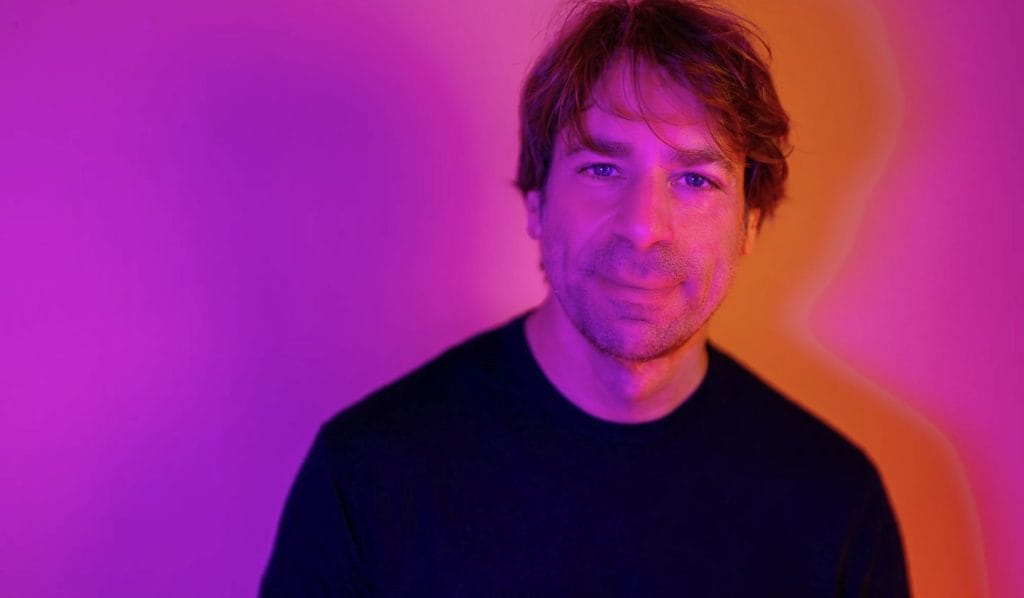
What do you think people misunderstand about aging within club culture?
No idea as I haven’t felt any discrimination or criticism regarding my age.
As long as you stay relevant and passionate about what you do, I don’t think age really matters.
How would you describe your current relationship to the dancefloor? Is it different than it was in the 90s when you got your first break?
The scene has obviously changed a lot. Like some DJs, some venues have lost their direction, but great clubs and parties with open-minded audiences still exist.
Those dancefloors are precious and need to be preserved at all costs
The post D’Julz on Longevity, Relevance, and Protecting the Dancefloor appeared first on Magnetic Magazine.