



When people talk about sharpening creativity, they usually jump straight to plugins, workflows, or new hardware. I’ve found something else that quietly strengthens my creative muscles every week: Dungeons & Dragons.
Dungeons & Dragons is structured imagination. You are building worlds, inventing backstories, responding in real time to unpredictable scenarios, and making collaborative decisions that shape an unfolding story. That process activates the same cognitive skills you rely on in music production – improvisation, narrative framing, problem-solving, and long-form development. When you sit at the table and construct a campaign arc or roleplay through a tense encounter, you are practicing creative decision-making under constraints.
As someone who spends most days inside a studio, I value that reset.
D&D forces you out of DAWs and into dialogue. You think about stakes, pacing, tension, and release – concepts that translate directly into arrangement and composition. A campaign teaches you how to sustain attention across multiple sessions, which mirrors the discipline required to finish an EP or refine a full-length project.
Creative Cross-Training for Producers
For producers, D&D functions as creative cross-training. Writing a character backstory strengthens narrative thinking. Managing a party dynamic reinforces collaboration. Improvising around a Dungeon Master’s curveball builds adaptive thinking, which is critical when a track refuses to cooperate.
When I return to the studio after a session, I often feel sharper. My ideas flow faster because my imagination has already been exercised. I’m less attached to rigid structures and more willing to explore unexpected directions in an arrangement. Worldbuilding in D&D makes it easier to build sonic environments in a track. Roleplaying enhances emotional interpretation when working with vocalists or collaborators.
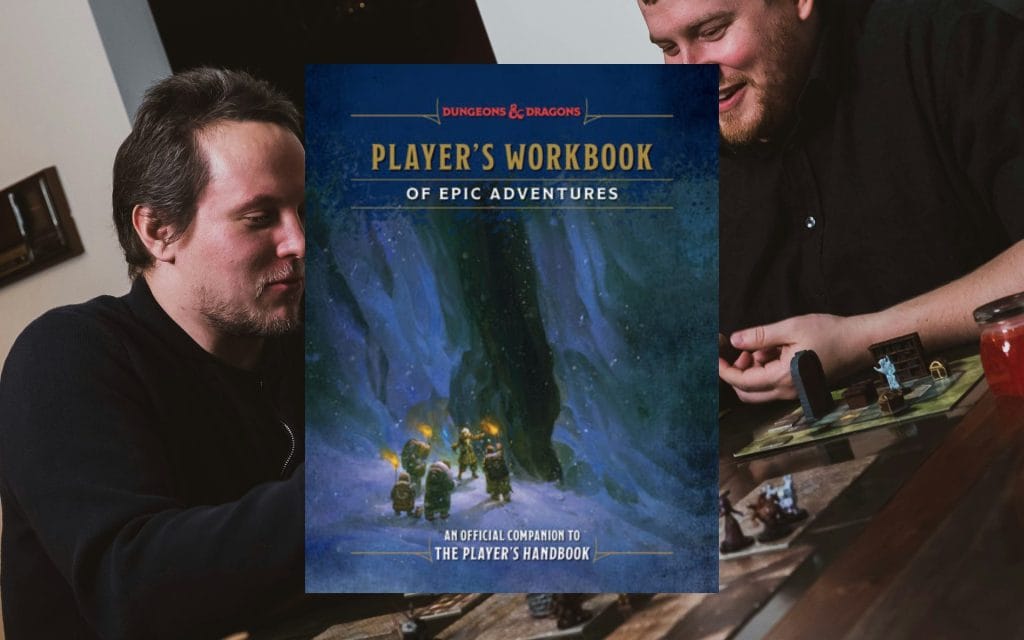
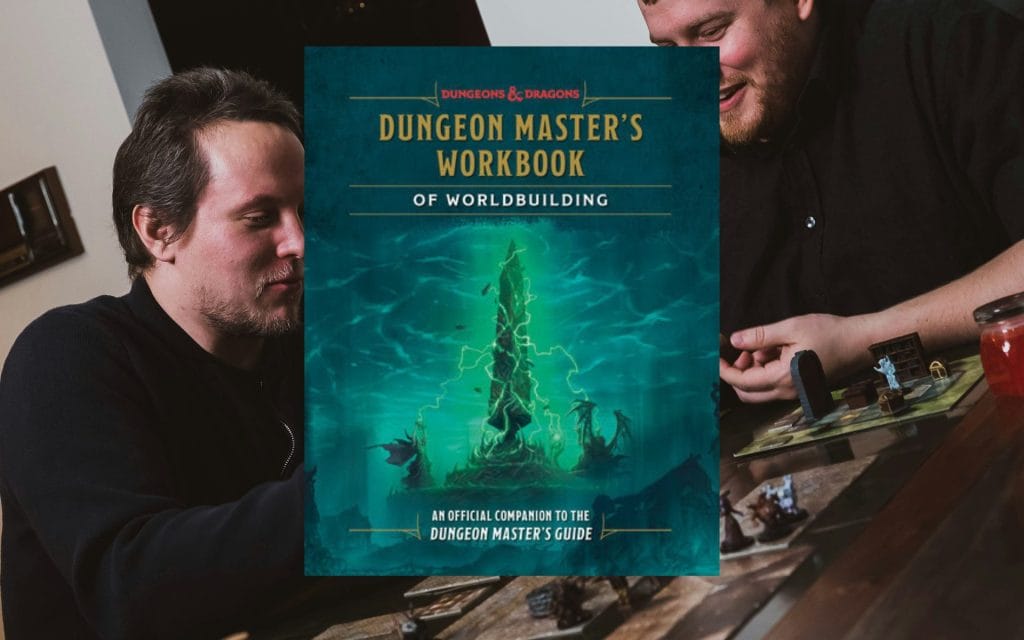
That connection becomes even clearer with tools like the Dungeon Master’s Workbook of Worldbuilding and Player’s Workbook of Epic Adventures, which formalize structured imagination. These workbooks encourage brainstorming, scenario planning, and character development – all transferable skills for anyone writing music or directing creative projects.
Dungeons & Dragons has been a personal favorite pastime of mine for years, and I do not separate it from my professional life. The table is where I practice imagination without deliverables. That freedom feeds everything else I create.
If you are a producer feeling stuck, consider stepping away from the screen and into a campaign. Structured play can sharpen storytelling instincts, improve collaboration, and remind you that creativity thrives when it has room to roam beyond the studio walls.
The post How Worldbuilding in D&D Translates Directly to Building Better Records appeared first on Magnetic Magazine.