



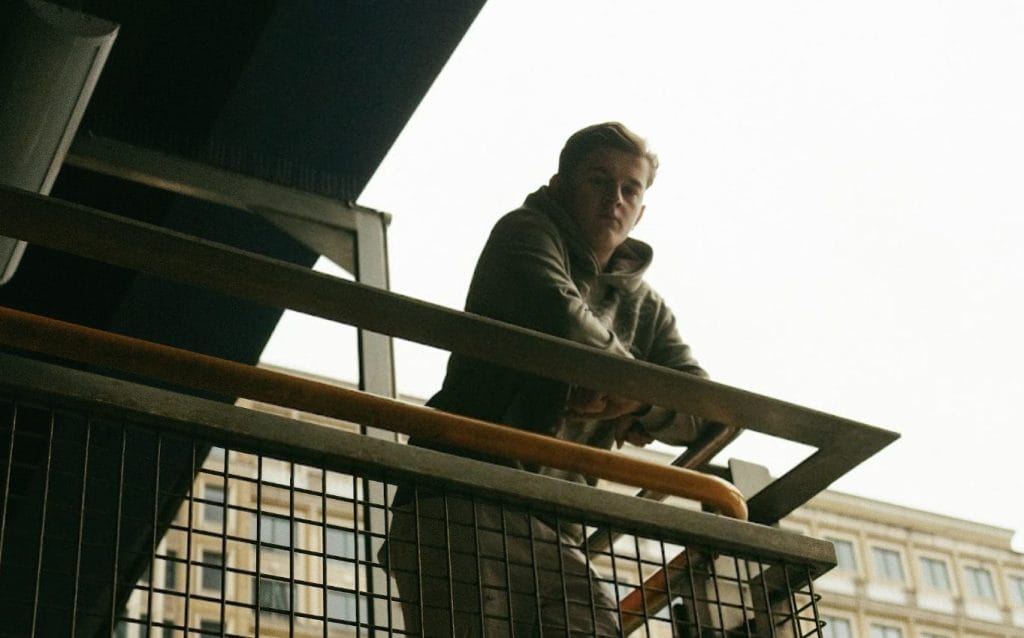
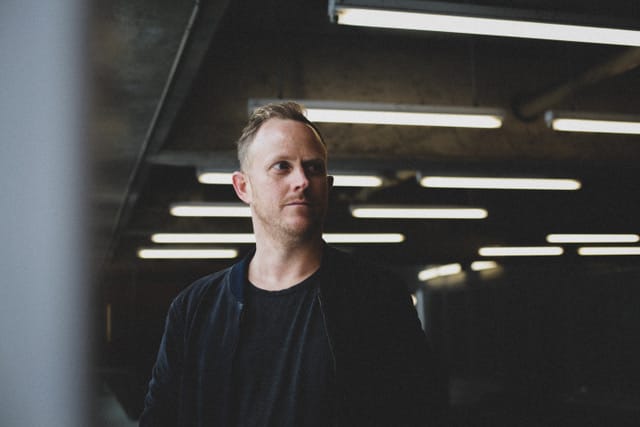

Pørtl’s original “Elodie” came from a mindset I respect in electronic music: start with a strong, clear idea, commit before the session turns into version-chasing, and keep the arrangement tight enough that every part earns its spot.
In their own words, they talked about staying focused on the heart of the track, putting real effort into sound selection and arrangement early, and avoiding the trap of “fixing it later.” That ethos showed up in the record’s restraint and in how quickly it communicated what it wanted to be.
Ben Pierre’s remix worked because he treated that original identity as a set of anchors, then re-allocated the attention and the timing in a way that suited his lane. He did not try to rewrite the track into a different genre personality.
He kept the recognizable elements that make “Elodie” feel like “Elodie,” then made his changes where they matter in a DJ context: pacing, tension control, and tonal focus across a longer run time.
What stayed intact from Pørtl’s approach
The biggest through-line here was discipline. Ben kept the track’s central melodic and tonal pull in place, and he let that remain the organizing force instead of building a remix around constant new ideas. That choice mattered because the original already had clarity, and the remix benefited from keeping that clarity as the spine of the arrangement.
He also preserved the sense of space that made the original feel intentional. You can hear it in how few parts fight for the same range at the same time. The low end stayed controlled, the midrange stayed readable, and the top end added movement without turning the mix into a wash. That kind of balance tends to come from decisions made early, not from last-minute stacking.
How Ben Pierre reshaped it for his lane
Where Ben really put his fingerprint on “Elodie” was in the timing. His version moved with patience and relied on gradual change, which made it easier to program in longer blends. The intro gave you time to bring it in cleanly, and the early section established groove and harmony without rushing toward the main moment. That is a practical decision, and it is also a taste decision.
The build felt more extended than the original, and the energy lift came from controlled shifts in percussion density and harmonic movement. Instead of big “now we’re here” moments, he used incremental adjustments that kept the track steady in a mix while still progressing. That approach kept the mix points predictable, and it also kept the tension moving forward.
His sound choices also leaned into an organic-house frame without leaning on clichés. The kick and bass relationship felt designed for translation on club systems, with a consistent low-end shape that held up through transitions. Effects felt purposeful. Reverb and delay supported the harmonic space, and the tails stayed managed so transients remained clear.
The outro sealed it for me. It stayed structured and clean, and it gave you a usable exit without last-minute elements cluttering the final minute. When a remix nails that, I tend to assume it was tested in real sets.
If you liked “Elodie” for its commitment and restraint, Ben Pierre’s remix should land well. It kept the original’s identity intact, and it widened the track’s mixing utility through arrangement and pacing choices that felt deliberate.
The post Ben Pierre’s Remix of Pørtl’s “Elodie” Kept the Soul, Then Rebuilt the Flow appeared first on Magnetic Magazine.