





Table of Contents
Independent artists are constantly searching for free music promotion tools that actually work, especially when budgets are tight and expectations are high. I’ve spent years testing platforms, submission tools, planning software, and creator networks to figure out which free music promotion tools actually move the needle. Many options promise exposure but deliver very little in return, making it harder to separate useful tools from background noise.
The reality is that free music promotion can work, but only when the tools align with how music is discovered today. Playlists, creators, curators, and timing all play a role, and the best platforms help you engage with those systems intentionally.
This article, made in partnership with One Submit, breaks down free music promotion tools independent artists can realistically use without burning time or energy. I focused on tools that offer real access to listeners, curators, or creators rather than passive hosting or vanity metrics. These recommendations come from hands-on use, repeated releases, and tracking what actually led to momentum over time. Some tools help with playlist placement, others with feedback, planning, or long-term discovery.
None of them replace making strong music, but the right ones support it in practical ways.
If you are an independent artist looking for free music promotion tools that work, this list is designed to give you clarity instead of options overload. Each platform below serves a specific purpose, works best at a certain stage, and rewards a focused approach. Used together, these tools form a realistic promotion system that independent artists can maintain, release after release.
One Submit
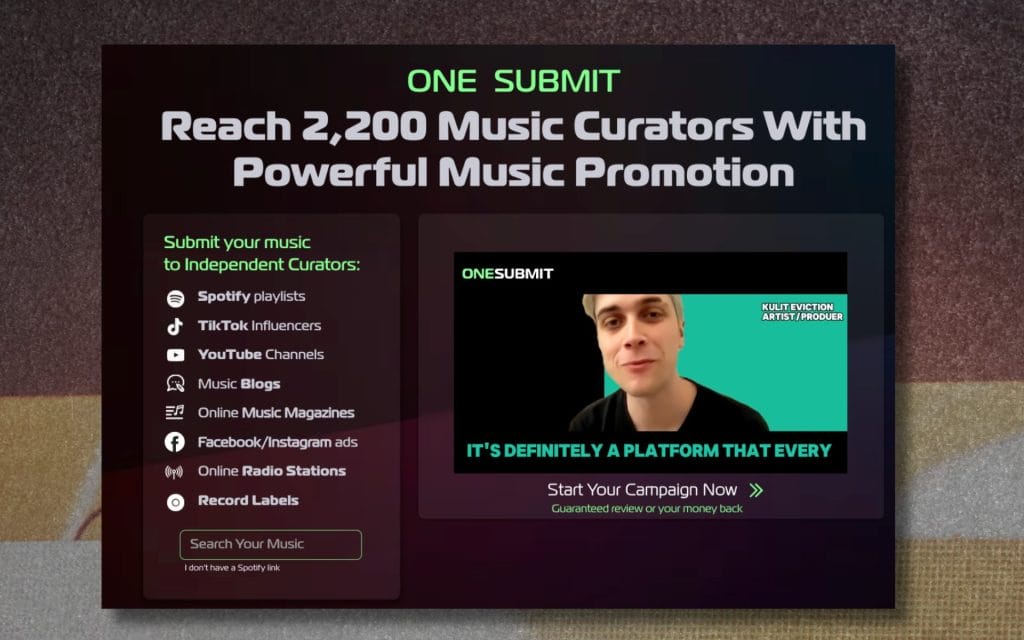
One Submit is an incredibly powerful platform because it removes much of the noise around pitching and replaces it with a system that actually respects your time. Every submission gets heard and responded to, which cannot be said about many of its competitors, which changes how you approach promotion because you’re no longer guessing if your track disappeared into someone’s inbox.
I like that everything lives in one place: Spotify playlist submissions, blogs, radio, labels, YouTube music promotion, and music magazine publications, so you are not jumping between platforms trying to replicate the same pitch over and over.
The targeting tools help keep submissions focused, which matters once you’ve sent enough bad pitches to know how quickly things go sideways when genre alignment is off. Over time, the feedback becomes just as useful as the placements, especially when you start noticing consistent reactions to certain ideas or production choices.
It ends up feeling like a feedback loop that also happens to generate exposure.
This works well for artists and producers who already have finished music and want real signals back from the outside world instead of passive metrics. It is especially useful if you care about positioning and context rather than chasing short-term spikes.
I usually recommend bringing One Submit in once a release feels representative of your sound and direction. The best results come from being selective, spacing out submissions, and actually reading curator profiles instead of treating it like a numbers game.
Strengths, Trade-Offs, and Use Case
- Pros: Guaranteed listens, written feedback, broad curator network
- Cons: Requires patience and strategy, feedback can be blunt
- Best use: Fully realized releases that define your sound
Daily Playlists
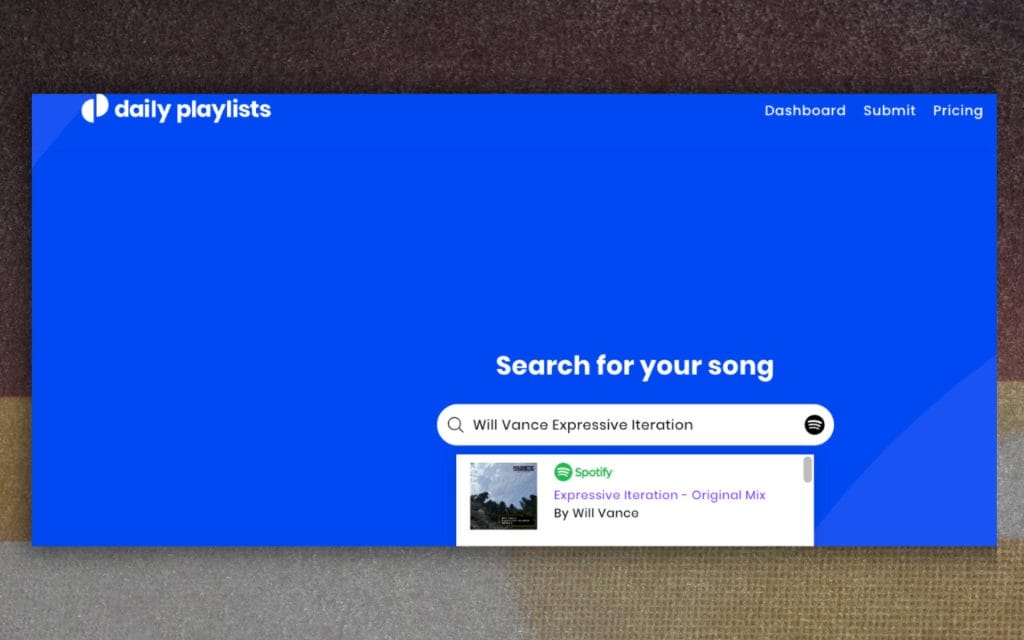
Daily Playlists earns its place here because it gives you a low-risk way to engage with playlist pitching while still learning how that ecosystem actually works. The free credits let you test different playlists and genres without committing money upfront, which makes it easier to experiment and adjust. I like that the platform encourages participation rather than one-way pitching, because you start to understand what curators are listening for instead of guessing from the outside. It feels closer to an exchange than a transaction, which changes how you think about submissions.
Over time, you begin to recognize patterns in which playlists respond and which ones never do. That knowledge carries over into every other platform you use.
This is a good fit for artists making playlist-friendly music and producers releasing singles consistently. It also works well if you are comfortable engaging with other artists and curators as part of the process.
I tend to use Daily Playlists right after a release goes live, once links are active and metadata is clean. The most value comes from targeting narrowly and treating submissions as research rather than expecting immediate wins.
Strengths, Trade-Offs, and Use Case
- Pros: Free credits, curator access, community-driven
- Cons: No guaranteed placements, requires ongoing engagement
- Best use: Singles designed for playlist discovery
PitchPlaylists
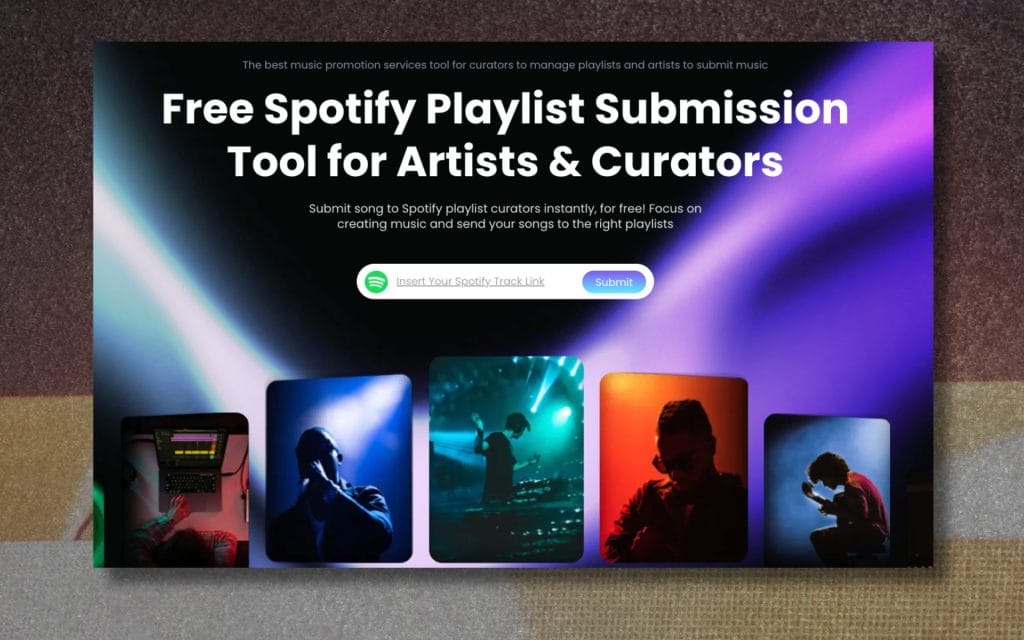
PitchPlaylists appeals to me because it stays focused on the fundamental task and avoids overcomplicating the process. Submitting feels direct, and the curator discovery tools make it easier to pitch with intention instead of blasting links everywhere. I appreciate that it puts the responsibility on the artist to do a bit of homework, which usually leads to better outcomes anyway.
PitchPlaylists works best when you treat it as a targeting and research tool rather than a placement engine. Over time, it helps sharpen how you talk about your music and where it belongs. That clarity ends up helping across every other promo channel.
This works well for artists who like hands-on control and producers who release frequently. It is especially useful if you already know your genre lane and want to refine how you pitch within it.
I usually introduce PitchPlaylists once I have a clear sense of where my music fits. The best results come from keeping notes, tracking responses, and building a short list of curators that actually engage.
Strengths, Trade-Offs, and Use Case
- Pros: Free submissions, direct curator access, simple workflow
- Cons: Smaller ecosystem, manual research required
- Best use: Targeted pitching with clear genre identity
Soundplate
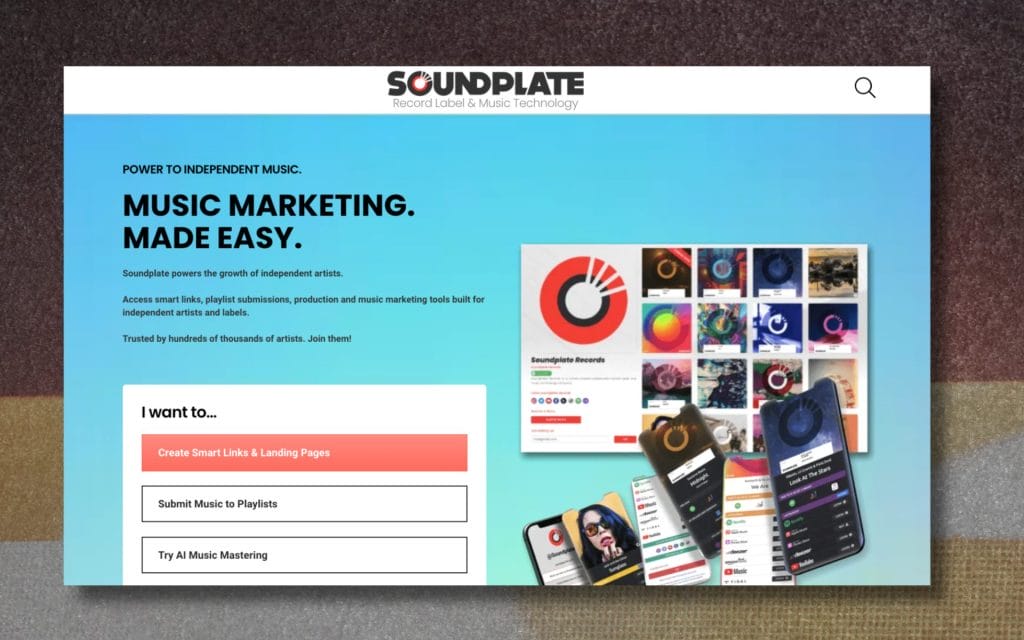
Soundplate makes sense when you want clarity upfront about where your music might land. The genre-based organization saves time and removes a lot of unnecessary trial and error.
I like that submissions are free and straightforward, which makes it easier to test multiple angles without overthinking it. Many of the playlists feel actively maintained, which matters more than follower counts most of the time. It rewards artists who understand how their music is perceived rather than how they personally describe it. Used properly, it becomes a quick filtering tool.
This is useful for producers working in clearly defined genres and artists who already understand their audience. It fits best when your track has a specific mood, tempo, and context.
I usually recommend Soundplate early in the release window. You get the most value by aligning artwork, energy level, and track structure with the playlists you target instead of relying on genre tags alone.
Strengths, Trade-Offs, and Use Case
- Pros: Clear genre sorting, free submissions, active playlists
- Cons: No feedback loop, inconsistent acceptance
- Best use: Genre-specific releases with clear identity
Thematic
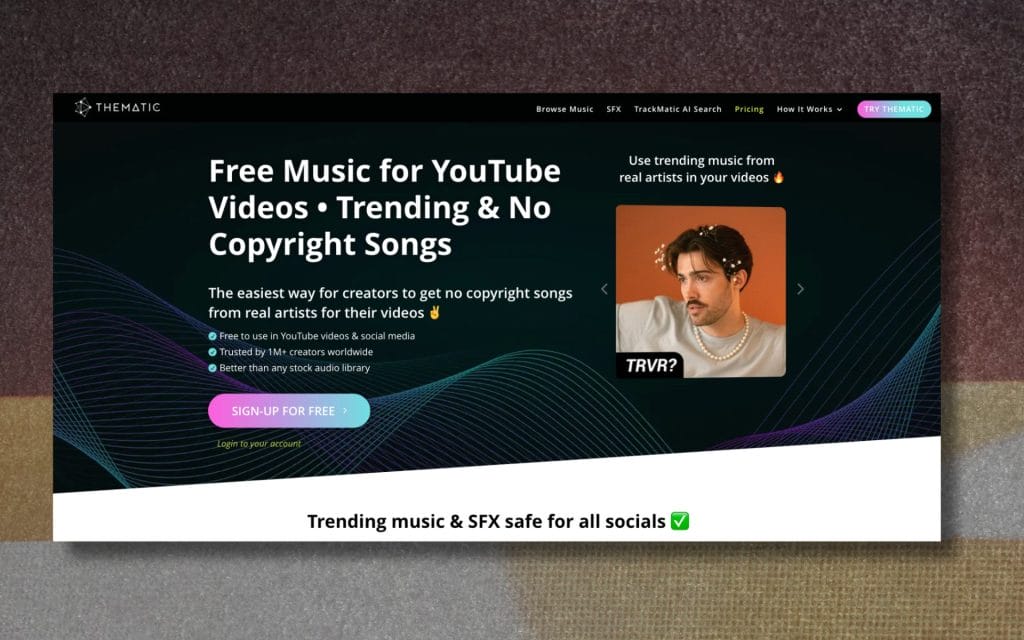
Thematic approaches promote from a different angle, which is why I like keeping it in rotation.
Instead of pitching to playlists, your music gets placed inside real content, which often has a longer lifespan and a different kind of impact. I like that it connects your tracks with creators who are actively looking for music rather than passively browsing submissions. The exposure tends to compound quietly over time, especially when tracks get reused across multiple videos. It also introduces your music to listeners who are not actively searching for new artists. That context shift matters more than people realize.
This works best for instrumental producers, vocal tracks with clean structure, and music that supports visual storytelling. It also fits artists who value long-term discovery over immediate spikes.
I usually bring Thematic in alongside a release rather than after momentum has already passed. The most success comes from strong intros, clear moods, and metadata that makes sense to creators scanning quickly.
Strengths, Trade-Offs, and Use Case
- Pros: Free influencer placements, long-tail exposure, creator discovery
- Cons: Less control over usage context, slower feedback
- Best use: Music suited for video and visual media
Honorable Mentions
Bandcamp
I treat Bandcamp like the place where a release actually lives once the dust settles.
It gives me room to explain what a project is, why it exists, and how it fits into everything else I’m doing, instead of relying on a thumbnail and a skip button. It works especially well for releases that benefit from context, liner notes, or a slower listen. Artists get the most out of Bandcamp when they stop thinking of it as a traffic source and start using it as a direct connection point.
Spotify for Artists
Spotify for Artists sits firmly in the utility category for me but it’s a free resources that can help define all your future moves and strategies. It’s invaluable, but also something that underpins all the rest of the services and platforms mentioned above, which is why it’s saved for down here.
I use it to keep releases clean, check how tracks move over time, and understand where listeners are coming from so I’m not guessing. The pitching tools matter, but only when the rest of the release plan already makes sense. Artists tend to get the most value by treating the data as directional information, not as a scoreboard.
SubmitHub
SubmitHub is something I use sparingly and with intention.
It’s useful when I want targeted feedback or a few specific placements, and it forces you to be clear about what your music actually is. Writing pitches there tends to sharpen how you talk about your work everywhere else. Artists usually see better results when they research curators carefully and treat submissions as a process, not a volume play.
I recommend using it as a platform to find curators and to start initial relationships with them as it becomes a lot more effective once you’re in their good books, so to speak.
Canva
Canva helps me keep momentum when visuals could otherwise slow things down. I use it for social posts for the website and label, pitch materials, and quick assets that still look consistent without overthinking design. It’s not about creativity so much as removing friction, and it can help you get near-pro designs without breaking a sweat or investing tons of resources.
Artists get the most value by building a small set of templates and sticking to them across releases. Templates save you a ton of time and help streamline the whole content creation while keeping your whole feed on brand.
FAQ About Free Music Promotion Tools for Independent Artists
What are free music promotion tools for independent artists?
Free music promotion tools are platforms or services that help artists get their music heard without paying upfront fees. These usually include playlist submission tools, curator outreach platforms, influencer music libraries, and planning or asset tools that support release campaigns.
They do not guarantee success, but they reduce friction and help artists reach real listeners. Used properly, they can replace guesswork with structure.
Do free music promotion tools actually work?
They work when expectations are realistic and the music is ready.
Free tools tend to reward clarity, consistency, and targeting rather than volume. Artists who see results usually approach promotion as a process instead of a single action. The tools amplify momentum rather than create it from nothing.
What is the best free music promotion tool for independent artists?
The best tool depends on what stage you are at and what problem you are solving. Some tools focus on playlist exposure, others on feedback, planning, or creator placements.
One Submit absolutely crushes it here because it combines real listens, feedback, and access to multiple promotion paths in one system. The best results come from pairing one core platform with a few supporting tools.
When should independent artists start using free promotion tools?
Free promotion tools make the most sense once you have finished music that reflects your sound clearly. Using them too early usually leads to mixed signals and wasted effort. I recommend starting around your first serious release and refining your approach with each new drop. Promotion works best when it becomes repeatable.
Are free music promotion tools better than paid promotion?
Free tools give artists control, learning, and lower risk, which makes them ideal early and mid-career. Paid promotion can make sense later when goals are clear and budgets are justified. Many artists never outgrow free tools because they value flexibility and direct access. The smartest approach usually combines both at different points.
How many free promotion tools should artists use at once?
Using too many at once tends to dilute focus and can make “success” on the platform hard to quantify.
One or two core tools supported by one or two secondary platforms is usually enough. The goal is to understand how each one performs rather than spreading energy thin. Consistency matters more than coverage.
What mistakes do artists make with free music promotion tools?
The biggest mistake is treating them like a shortcut. Artists also tend to submit too broadly, ignore targeting, or skip follow-up entirely. Another common issue is focusing on placements instead of learning from feedback and data. The tools work best when they inform better decisions over time.
Can free music promotion tools help grow a long-term audience?
Yes, when they are used as part of a larger release and content strategy. Playlist adds, creator placements, and curator feedback all help music travel beyond your immediate circle.
Long-term growth comes from stacking small wins and staying consistent. Free tools help keep that process sustainable.
The post Free Music Promotion Tools That Actually Work for Independent Artists appeared first on Magnetic Magazine.