



In the past, merchandise usually meant solely physical items. Vinyl, CDs, cassettes, clothing, posters, other creative branded things (skateboards, fidget spinners, action figures, et cetera). However, as music as a whole continues to shift into the digital realm, so must its merchandise.
At first, you may not think that musicians selling masterclasses, sample packs, and so forth online can be considered a sale of merchandise. To that, we say why wouldn’t it be? It’s a musician selling something unique to them that fans would be interested in buying. Isn’t that the entire ethos of selling merch in the first place?
Digital merchandise has become as popular as (if not more popular than) its physical counterpart lately. Right now, it feels like every notable artist has some kind of digital store – and there are more and more services popping up to help with that, including Payhip.
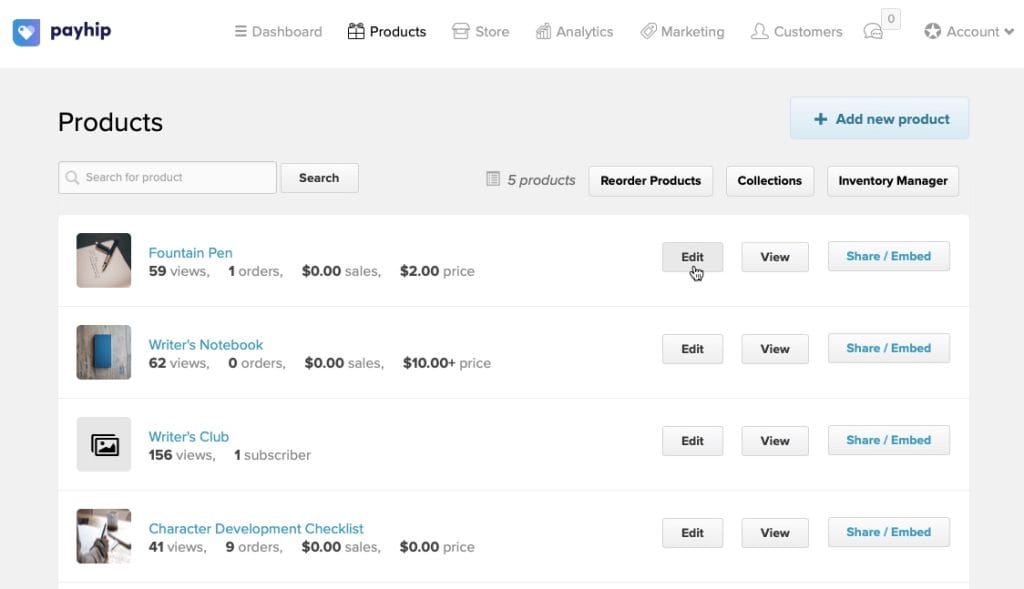
Payhip is a platform that allows you to create a free website to host any and all types of merchandise. You can set up downloads, online courses, coaching sessions, and even the sale of physical merchandise all from one place. They’re one of the most trusted sources out there to get your merch in the hands of customers, so we figured they would be a great team to talk with about digital merchandise.
In this interview, we discuss how to start selling digital merchandise, how to avoid any of the common pitfalls, how to turn sales into streams, and so much more. If you’ve ever wanted to sell merchandise, then read on to hear from some true experts in the field.
What types of digital products do musicians and music producers typically sell?
Musicians and producers sell a wide range of digital products. On the production side, this includes audio assets like drum kits, beats, sample packs, loops, and presets.
Beyond audio files, many musicians and music producers also sell educational products such as online courses, ebooks, and production guides that help other musicians improve their craft.
Some music producers also offer 1:1 online coaching to help aspiring producers on a more personalized basis. This is very valuable as you’ll be able to troubleshoot specific issues about music production or even on how to promote themselves better.
Some musicians and music producers also offer private memberships and subscription-based content where they share exclusive audio assets, behind-the-scenes content, and insights into their creative process.
All of these fall under digital merchandise because the product and experience are delivered online.
First, on a broad scale, what are your thoughts on the current state of digital merchandise as it relates to musicians?
Musicians have very different needs than most online entrepreneurs. At their core, artists want to spend their time making music and getting better at their craft. That part will always come first. But building a sustainable income and career also requires thinking about visibility, and branding.
You need a social media presence. You also need a professional website where you can showcase your portfolio and sell your music and merchandise. This becomes your online resume and the place where your work lives.
Many musicians avoid this because they assume it is expensive or time consuming. In reality, modern website builders are accessible to anyone, even without technical or design skills. Platforms like Payhip let music producers and musicians create a website for free, permanently. If you are just starting out, presenting your work clearly and professionally matters more than ever.
When it comes to users you have worked with, what types of digital merchandise are currently the most popular? Why do you think that is?
At Payhip, we see production focused products perform especially well. Beats, sample packs, drum kits, and similar audio assets are consistently among the most popular. These products are core building blocks in music production and fit naturally into how producers already work.
They are also easier to sell than fully produced songs. Finished tracks often involve more complex licensing, vocal rights, and external partners like agencies. Production assets avoid much of that friction.
Some music products and artists will also sell physical merchandise like tshirts, etc, but that would be quite hard to do unless you already have a strong brand presence and a large following.
How important is pricing in all of this? Do you think it’s better to start out by selling a lot of units for a low price, or vice versa?
Pricing should feel thoughtful and intentional. It can be tempting to lower your prices in hopes of getting more sales, but that often works against you. When something is priced too low, people start to question its quality. A fair, confident price helps people trust your work and see its value.
You also do not need to buy into the idea of being a hungry artist. Your time and experience matter, and your pricing should reflect that.
A good place to start is simple research. Look at what other artists charge for similar products and use that as a reference Look through Payhip’s online marketplace to find digital merchandise from other artists.
In what ways can selling digital merchandise lead to new listeners for a musician?
Selling digital merchandise can be a powerful discovery channel for aspiring musicians and music producers. Many people actively search for tools to help with their music production, things like royalty free samples or genre specific sample packs (e.g. techno sample packs). These searches have clear purchase intent. People are ready to buy and are not usually tied to a specific artist.
TIP: You can find these keywords using a free tool called Google Keyword Planner
When your products show up for those searches, then you’re golden! If they like your sound or style, that first purchase often turns into genuine interest in your music.
From there, the loop continues. As you publish your music on platforms like YouTube, new listeners discover your tracks and then find their way back to your store.
Digital merchandise creates multiple entry points for people to find you and stay connected.
What successful patterns have you seen in musicians who’ve scaled up their merchandise beyond one product?
One pattern shows up again and again: collaboration. Musicians who grow beyond a single product often partner with other artists or producers and release something together. You might have already noticed that your favourite artists or producers on YouTube often know each other!
Collaborations help both sides reach new audiences and share momentum. You can use Payhip to launch a digital product together with up to 4 co-producers. You won’t have to deal with manually splitting profits because all the revenue-splitting is done automatically through Payhip.
Reference: https://help.payhip.com/article/322-collaborations
Another common thread is a strong online presence, especially on YouTube. Many successful musicians share behind the scenes content, production breakdowns, and their creative process. They collaborate on videos, show how their beats come together, and invite people into the work. That visibility builds a loyal following who are eager to hear more from you!
Are there any common mistakes you see when musicians launch their first product?
- A lot of artists upload their beats to YouTube and stop there. That makes sense. Most musicians want to spend their time creating, not posting. But growth is tough if people never really get to know you. Social platforms are where connection happens. Sharing only finished tracks is rarely enough. The artists who build momentum talk about their process, share small tips, show behind the scenes, and tell stories. Over time, that turns listeners into a real community, and that matters far more than one off sales. Artists will likely find collaboration opportunities naturally from that too.
- Another common mistake is spending too much money too early. Many new artists get pulled toward paid tools that promise more sales, better conversions, or faster growth. Most of the time, you do not need them yet. Before anything else, you need people who care about what you are making. Start with what you already have. Paid tools make more sense once things are already working. The idea that you always have to spend money to make money is not always true. Many platforms offer solid free options. Keeping your costs low gives you breathing room and removes pressure from your pricing. Product market fit comes first.
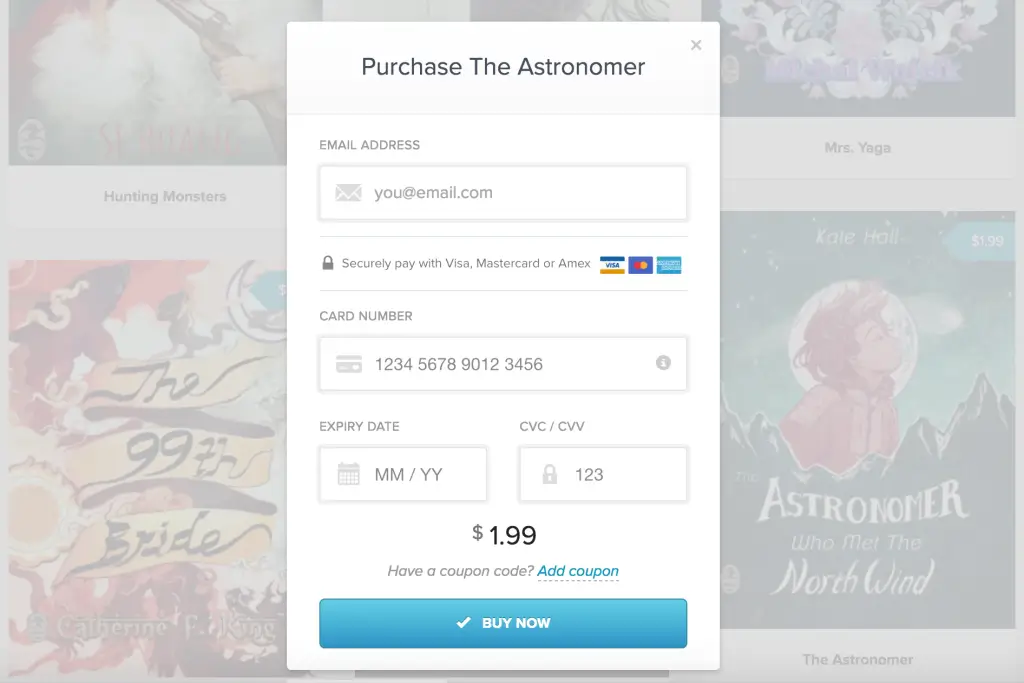
- Choosing the right platform can truly make or break your progress. Using an ecommerce platform like Payhip, which is built specifically for selling digital products, lets you stay hands off with the admin side of things. Order fulfillment, hosting, and all the unglamorous stuff are handled for you. Artists can create a professional, fully customizable website, use built in marketing tools, and sell to customers around the world, and most importantly without any monthly fees and upfront costs. Keep things simple and stress-free so you focus on creating more music instead of managing tech.
Growth takes effort. Expect to hustle, especially early on. Pay attention to what other sellers are doing, stay curious, and test small marketing ideas over time. Those small improvements add up. Even simple strategies like cross selling, like offering a second beat at a discount, can increase your average order value and make each sale work a little harder for you.
What are some things that could help musicians establish more income streams?
There are several ways musicians can create additional income streams beyond selling music alone. Teaching is a big one. Many artists package their knowledge into ebooks, guides, or online courses that help others learn faster.
Memberships and subscriptions are another strong option. These create recurring income while giving fans access to exclusive content, behind the scenes insights, or new releases.
One on one online coaching can be a powerful income stream for musicians. Artists can work directly with aspiring producers or musicians who want personalized feedback and guidance. You get paid for your time, your experience, and your point of view, while hopefully also building meaningful relationships as your clients could be your future producing partner! Coaching also positions you as a trusted expert, which can naturally lead to more opportunities and long term support from your audience.
Lastly, for artists who have never even thought about selling merchandise, why do you think they should give it a try?
Selling digital products gives artists a way to earn passive income. Once a digital product is created, it can continue to sell in the background. You are not starting from zero every time. And with the right platform, you do not have to worry about order fulfillment either. Your files are delivered automatically after each purchase, without extra cost or effort. This creates breathing room. Instead of constantly worrying about paying rent or chasing the next gig, you can spend more time doing what you actually love, making music.
Digital products also allow you to monetize more than finished songs. Your knowledge, your process, and your point of view all have value. That can take the form of online courses, tutorials, coaching, or memberships. Many artists underestimate how helpful and valuable their experience can be to others.
There is also a connection benefit that often gets overlooked. Selling digital products introduces you to listeners and creators from around the world who actively choose to support your work. That shifts the relationship from passive listening to genuine investment. Over time, those connections can grow into stronger communities, meaningful collaborations, and opportunities you never expected.
Thanks to Payhip for speaking with us – check them out here.
The post The Importance of Selling Digital Merchandise in Today’s Musical Ecosystem – A Conversation with Payhip appeared first on Magnetic Magazine.