


Table of Contents
For a long time, making money from home as a producer meant leaving the house. Touring, sessions, rehearsals, late nights, and long drives were treated as unavoidable costs of participation. That picture has shifted.
Home is now a studio, a classroom, a broadcast space, and in many cases a reliable place to earn income without waiting for permission from venues, gatekeepers, or algorithms.
Making money from home as a musician does not mean shrinking ambition. It means recognizing that music skill travels well across formats, and that presentation, clarity, and consistency now matter as much as output. Musicians who earn a steady income from home tend to build multiple income streams that support each other rather than chasing a single breakthrough.
This article focuses on income paths that musicians already use, but refines them for 2026 realities and expands them with adjacent ideas that are often overlooked, using tools from brands like OBSBOT, which was kind enough to sponsor this article, to make meaningful changes to the pocketbooks of artists.
Streaming And Podcasting
Streaming And Video
If I were starting from scratch right now, streaming and video content would sit near the top because they compress distance faster than almost anything else. A live stream or a recorded video shows how you think, how you explain ideas, and how you move through a process in real time. That orientation matters more than polish. People stay when they understand how you operate, and they leave when things feel vague or performative.
YouTube fits especially well here if you can bring a clear angle and voice to it.
Much production content remains stuck at surface-level, easy-to-replicate tips, leaving plenty of room for creators who want to go narrower, slower, or deeper into specific workflows and ideas. YouTube also tends to reward new creators when their content holds attention, making it a practical place to build momentum without an existing audience. Live studio sessions, breakdowns, feedback hours, and long-form explanations work because they show the process as it actually happens.
You do not need scale for this to work.
You need the right people watching long enough to understand what you care about.
Set up matters more than most people expect.
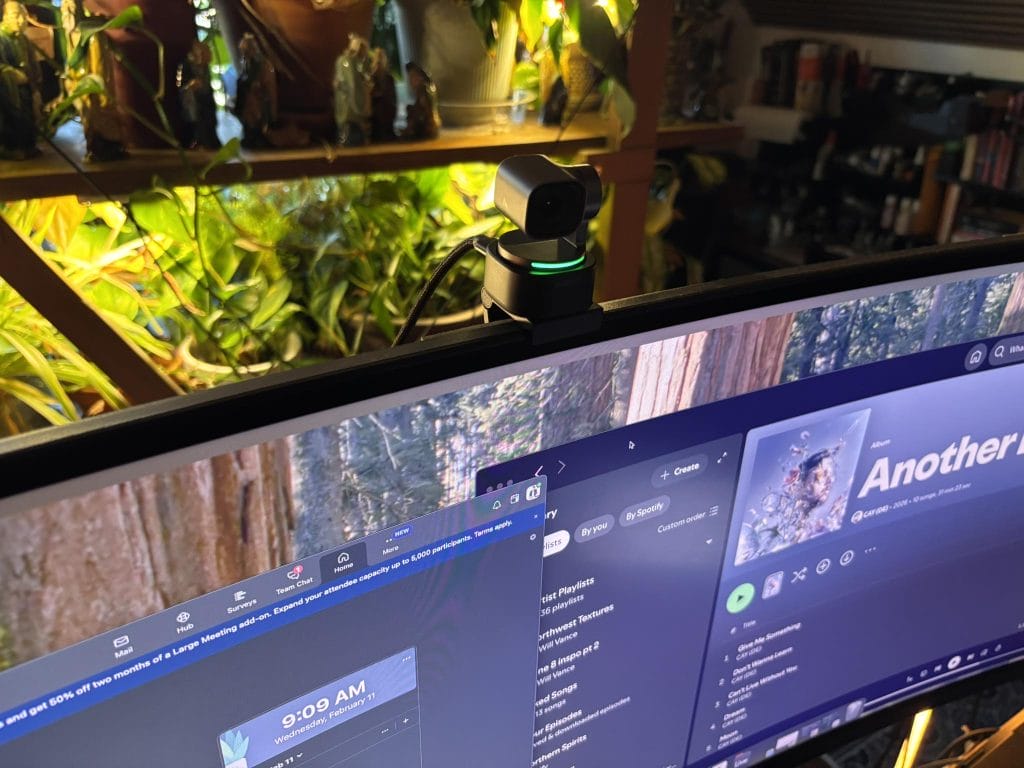
A poor camera position or static framing quickly drains energy, especially when your body wants to move between a desk, a keyboard, and a mic stand. Tools that remove friction make it easier to stay present. The OBSBOT Tiny 3 Series fits naturally into this workflow because it handles video and audio cleanly, stays portable around the studio, and adapts to your actual movement while working.
That flexibility makes it easier to focus on ideas rather than on managing the setup, which directly affects how consistent you can be.
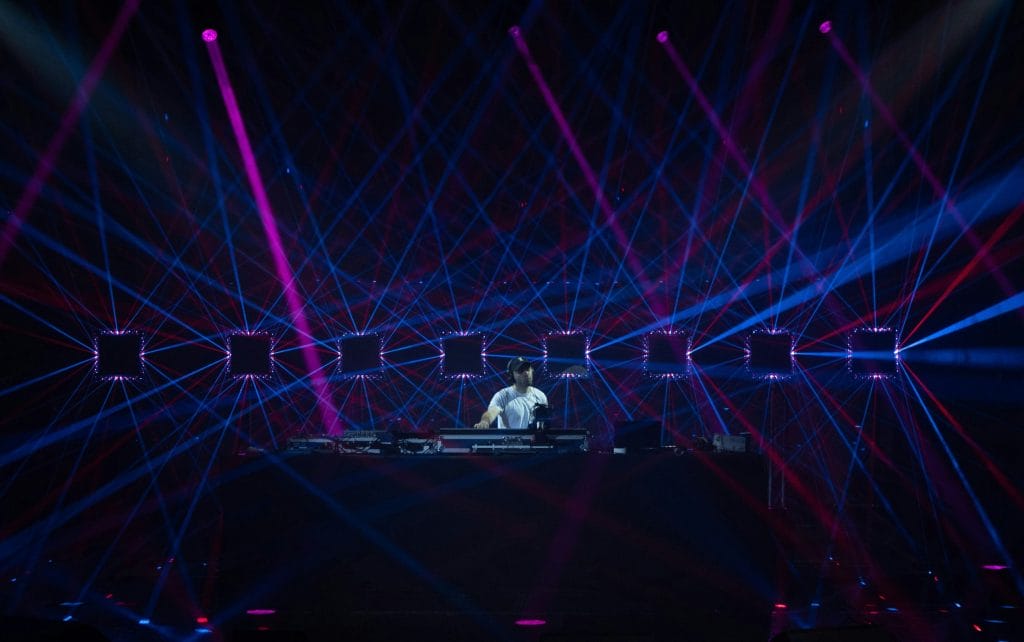
Pro Tip: Live DJ mixes have very long watch times and, if you’re a good artist, great watch times, which means YouTube’s algorithm will love you if you do it right. Pack a live mix with your own music, and a single hour-long mix can help generate monthly revenue. If you need a reference, David Hohme’s live sets are a masterclass in modern live sets.
Podcasting And Spoken Formats
Spoken content follows the same logic, and podcasting continues to grow for a reason.
A podcast episode communicates how you listen, how you ask questions, and how you frame ideas, all without needing visual polish. That makes it a strong option for musicians who think out loud or enjoy long-form conversation. Many music industry podcasts still follow the same format of high-profile guests retelling familiar stories, leaving ample room for more specific, process-focused conversations.
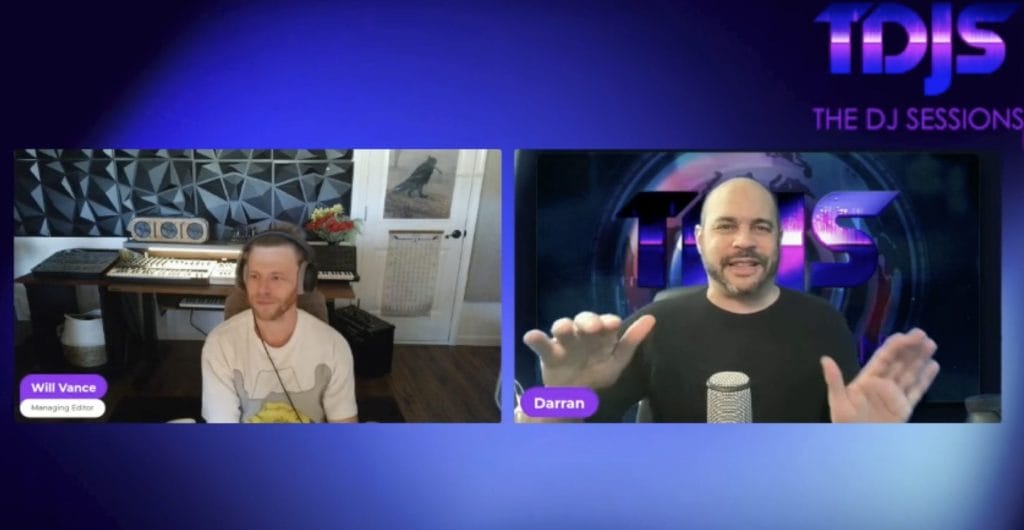
That gap creates opportunity.
There is room for shows that talk about workflow, decision-making, and the day-to-day reality of making music without chasing celebrity narratives. Podcasting also pairs well with video, since strong conversations translate easily into short clips that can live on social platforms.
The OBSBOT Tiny 3 Series supports this approach by delivering clear spoken audio and capturing usable video simultaneously, simplifying recording and repurposing. When framing, tracking, and audio behavior are handled upfront, sessions start cleanly instead of slipping into setup mode.
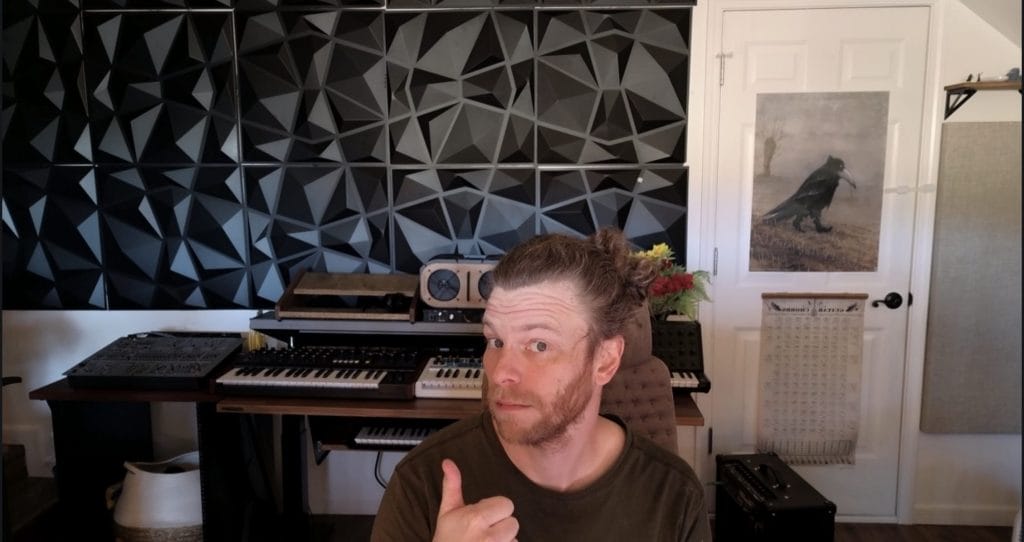
Consistency is the real advantage here. When streaming and podcasting run on systems that support how you naturally work, they stop feeling episodic and start feeling sustainable. That steadiness is what allows spoken formats to build trust over time and turn into something that supports the rest of your creative output.
Teaching In Your Community
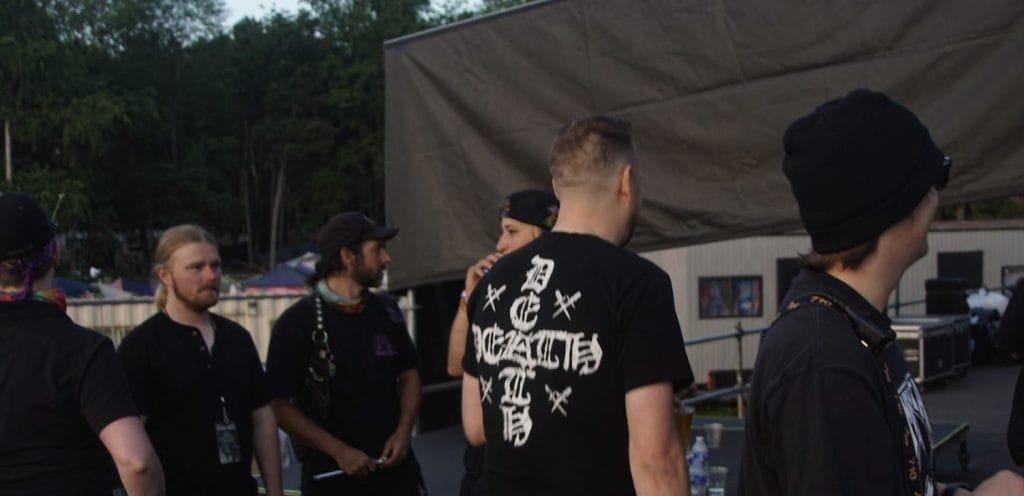
Much of this falls apart once you realize you don’t need to go full-time teaching for it to matter.
Even picking up a couple of students a week can meaningfully supplement your income. Charging reasonable rates in the $60 to $80 per hour range, once or twice a week, can go a long way toward covering rent or basic expenses. It often works well because these lessons usually happen during the day, while nighttime is open for other income streams like gigging or events.
Teaching can also feel more complicated than it is.
Many people assume they need to rely on platforms like Fiverr or Outschool to find students, but in practice, the strongest connections usually come from local communities. In most cities outside New York and Los Angeles, there are far more people just getting into the scene than producers working at even a slightly sub-professional level.
Once you have a number of years of experience (I originally started writing “five years of experience” but I didn’t want to assume all producers cut their teeth enough to teach in that time – it’s just around the time that I myself started teaching lessons), the competition drops off quickly, and there is a real need for mentorship and guidance.
That puts working DJs and artists in a strong position to help newer producers level up while remaining active in the same community they already belong to. These lessons can easily happen over Zoom, even if the initial connection came from a club, an event, or general involvement in the local music scene.
Clarity And Trust As Long-Term Currency
Production services continue to anchor household income when they are clearly framed and communicated honestly. Mixing, editing, consulting, and feedback work best when the outcome is defined upfront, and the delivery stays predictable. That same clarity matters in how you present yourself publicly.
On social platforms, the goal is authenticity and connection, and people are very good at spotting content that exists only to fill a slot. When everything feels forced or overly promotional, it creates distance instead of trust.
Hourly billing often introduces friction, and the same thing happens with content that feels like it has an obligation attached to it. Scoped projects reduce tension because clients know exactly what they are getting and when, and audiences respond the same way when you are not constantly pushing the next track or gig. Not everything needs to be music-related. You do not always need to talk about your latest release or promote every appearance. A lot of trust is built in smaller, non-music moments that show how you move through the scene and through life more generally.
Serving creators outside traditional music circles often expands opportunity, partly because podcasters, educators, and video teams value reliability over image, and partly because people relate to people. Artists are effectively presenting themselves as the product, and connection happens when that presentation feels grounded. There are producers like QRTR and
whose feeds reflect this well.
Their content does not revolve entirely around music. It reflects their lifestyle, their perspective on the scene, and how music fits into their day-to-day life, which builds credibility without boxing them into constant self-promotion.
Remote collaboration fits naturally into this broader approach. Session work, arrangement input, and structured critique translate cleanly without physical presence when communication stays clear and expectations are set. The same applies to how you show up online. You do not need to share everything, and you do not need to document every part of your life, but selectively showing hobbies, routines, or interests like walking, hiking, or spending time in your city helps round out the picture.
It takes pressure off the idea that your entire feed needs to be tightly curated and reinforces a more sustainable, believable presence.
Why Mixing And Mastering
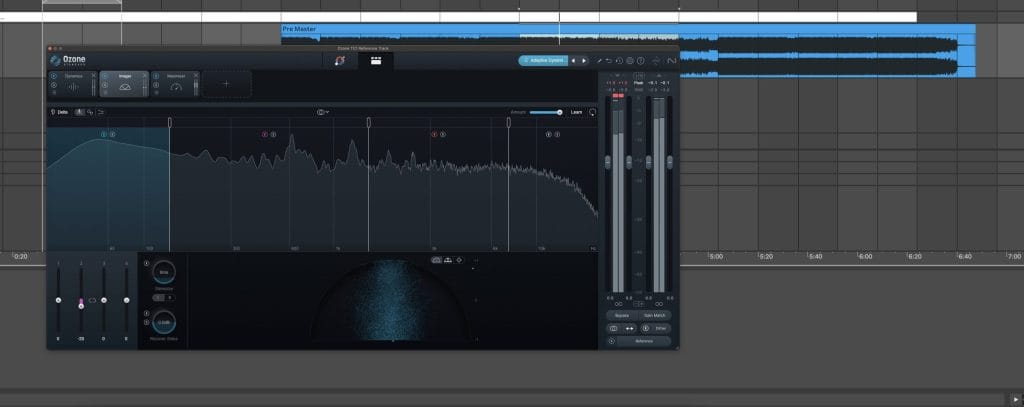
Production services continue to fill income gaps when they are framed clearly, and mixing and mastering sit near the top of that list.
These services work best when outcomes are defined upfront and delivery stays predictable, which helps set expectations on scope, revisions, and turnaround. Hourly billing often introduces friction, while flat project pricing keeps the relationship cleaner and easier to manage. Marketplaces like SoundBetter and Fiverr tend to push pricing downward and can quickly turn into a volume game that devalues your time and attention. That dynamic often leads to frustration rather than sustainable income.
A stronger path usually comes from leaning into existing communities, either online spaces you already participate in or your local scene. Your released catalog functions as a working resume, since finished records demonstrate your ear, technical ability, and consistency far better than a service listing ever could.
Artists looking for help respond well to hearing what you have already released and understanding how you approach mixes and final delivery. Mixing, production cleanup, editing, and feedback naturally bundle together once trust is established. Serving creators slightly outside traditional music circles can also expand demand, since podcasters, educators, and video teams value reliability and clarity.
Once your technical process is solid, this type of work can scale quickly through referrals and repeat clients without adding unnecessary complexity.
Digital In A Broader Ecosystem
Digital products tend to work best when they stay narrow and are paired with other things you already do.
Sample packs, presets, templates, and workflow tools can move the needle when they solve a specific problem and live inside a larger ecosystem, whether that ecosystem is YouTube, podcasting, or a community you already show up for regularly. Marketing and trust tend to be the hardest parts, especially now that presets and packs are easier to create than ever, which makes people more cautious before buying. That hesitation usually disappears when a product is clearly tied to a person whose work they already follow and understand.
Producers like Bound to Divide built momentum through consistent output and community long before launching products, and projects like Basic Wave grew directly out of that visibility. The packs succeed because listeners already know how those tools fit into a real workflow, not because the products are positioned as standalone items. Clear documentation helps, but seeing how something is used in context carries more weight.
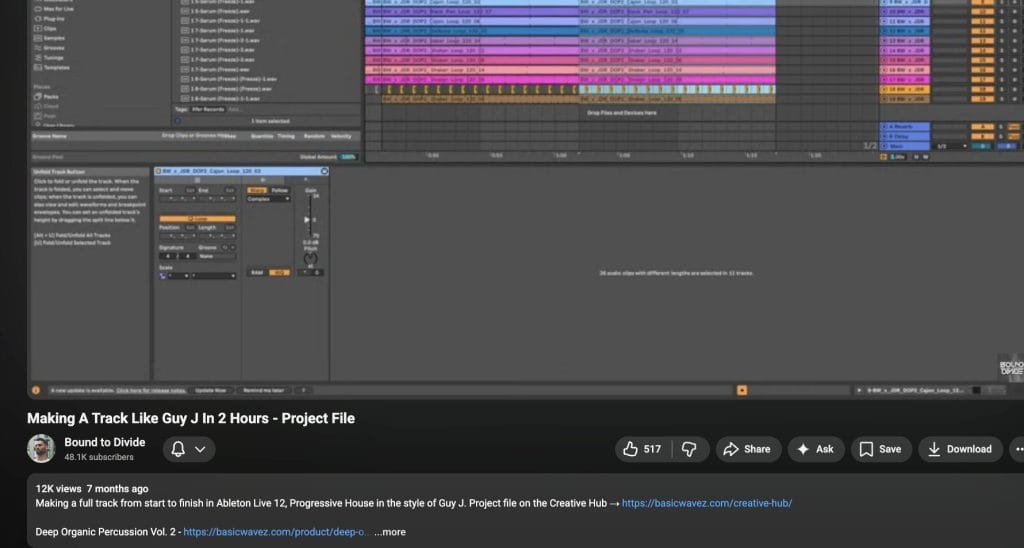
Short walkthroughs, screen recordings, and spoken explanation remove uncertainty in ways text never fully can.
Digital products become a strong home income layer once multiple streams start reinforcing each other. On their own, they can feel slow or inconsistent, but paired with audience touchpoints, releases, and education, they begin to stack. That compounding effect is often where things shift from side income into something dependable, especially once momentum is already in motion.
Home Already Is the Hub
There are plenty of other paths that can grow out of this as well.
Physical merchandise like vinyl and cassettes continue to gain traction, and they can make sense once there is demand and infrastructure to support them.
Licensing and publishing can also become meaningful revenue channels over time, especially as a catalog grows and placements compound. Those options typically operate on longer timelines and work best once you are more established and have leverage from audience size, relationships, or a consistent output. Going deep on those areas would easily turn this into a much longer piece and push it far beyond the scope of what this article set out to cover.
The goal here was simpler.
This is meant to give you enough structure to start building scalable income from home using tools, skills, and communities that are already within reach. None of this happens quickly, and music has not rewarded shortcuts for a long time. These are systems you can begin working on now that benefit from repetition, quality control, and follow-through.
Over time, those efforts can stack into income streams that feel stable and connected to your work as an artist, as long as you stay consistent, stay patient, and keep the focus on doing the work well.
FAQs About Making Money From Home As A Producer
How to make money as a producer?
I treat income like a stack of offers that share the same skill base, so one slow week in client work does not wipe out the month. The most dependable options tend to be remote mixing and editing, private lessons, paid feedback, session work, and content that leads people into those offers.
Once you publish consistently, you can add sample packs, presets, or templates when your audience already understands how you work. Streaming revenue can contribute, but it tends to function better as a supporting layer than the main plan.
What can I produce at home to make money?
You can produce finished music for releases, plus client deliverables like mixes, masters, edits, vocal prep, and arrangement cleanups.
You can also produce educational assets like lesson sessions, screen recordings, and short walkthroughs that solve a narrow problem. If your process is repeatable, you can package parts of it into templates, presets, and sample packs that people can use immediately. The goal is to ship outcomes, then make the next step clear, like booking a lesson or ordering a service.
Can producers work from home?
Yes, and the work that translates best is anything you can deliver as files, notes, and scheduled calls. Mixing and editing, feedback, lessons, remote sessions, and content production all scale from a home setup when scope and turnaround are defined upfront. Your main bottlenecks tend to be communication, monitoring consistency, and a stable capture chain for video and spoken audio.
Once those are handled, the home setup becomes a repeatable production environment.
How many streams to make $100?
Streaming does not pay a fixed rate per stream, so any stream count is an estimate based on averages.
A commonly used planning range is about $0.003 to $0.005 per stream to rightsholders, before distributor, label, and publishing splits. At that range, $100 often lands around 20,000 to 33,400 streams. Your actual result shifts with listener location, Premium versus ad-supported listening, and your deal structure.
How much is $500,000 streams on Spotify worth?
Using the same planning range of about $0.003 to $0.005 per stream to rightsholders, 500,000 streams often comes out to roughly $1,500 to $2,500 before splits or fees.
That number can move depending on where the listening happened and what share of the revenue pool your tracks captured that month. If you are signed or you have multiple splits, the amount you personally receive can be lower than the headline estimate. I treat this math as a rough budgeting tool, not a promise.
How many streams on Spotify to make $2000?
Because payouts are not fixed per stream, this is always an estimate for planning. Using the $0.003 to $0.005 range to rightsholders, $2,000 often lands around 400,000 to 666,700 streams before splits. If you split royalties with a label, distributor, producer points, or publishers, your required stream count goes up because your net share goes down.
I build a plan where streaming can help, but client work and repeat offers cover the baseline.
The post Making Money From Home As A Producer: 6 Ways To Scale Revenue From Your Music appeared first on Magnetic Magazine.