


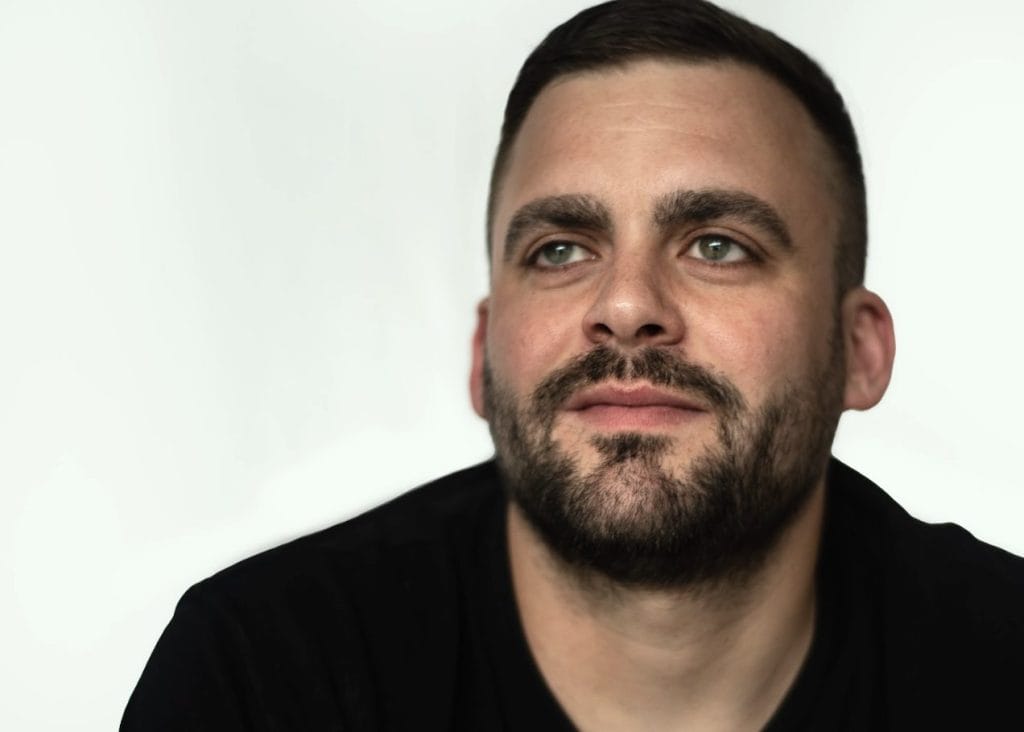
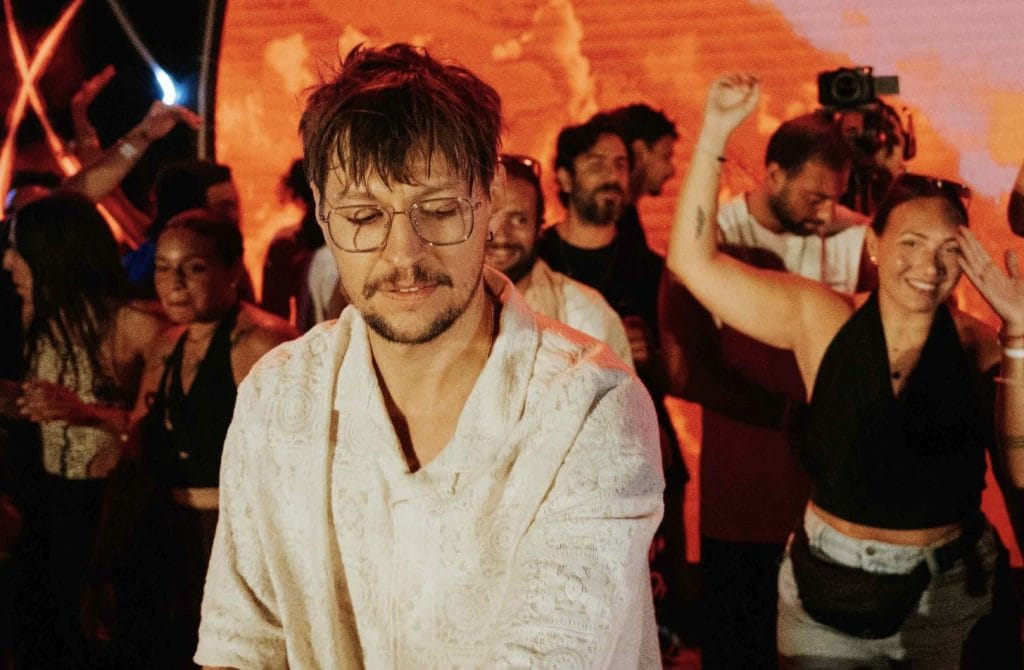
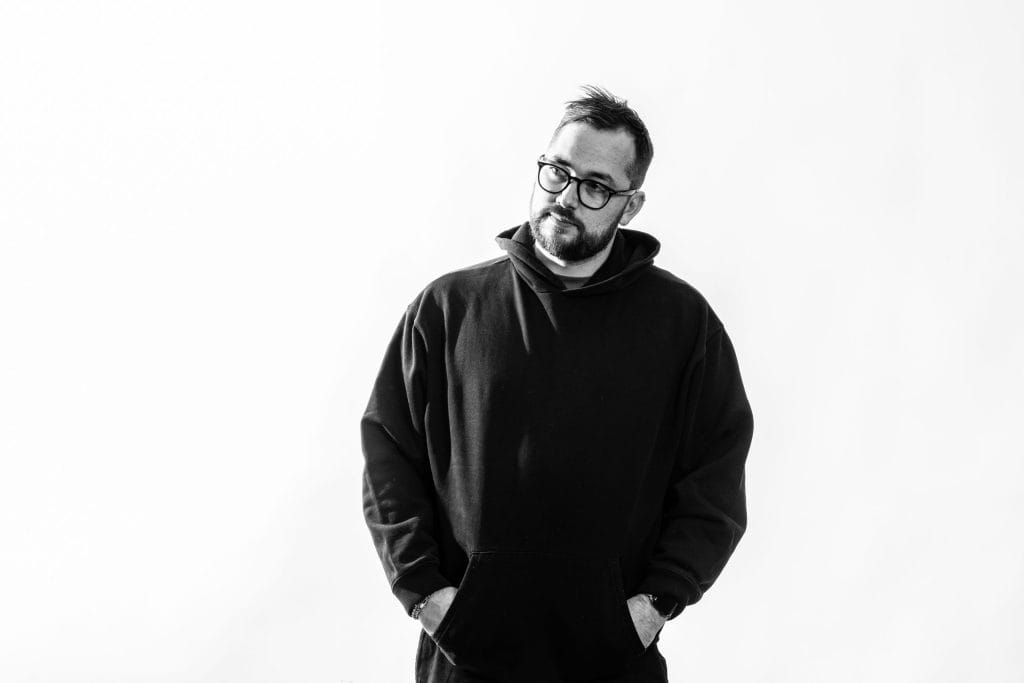
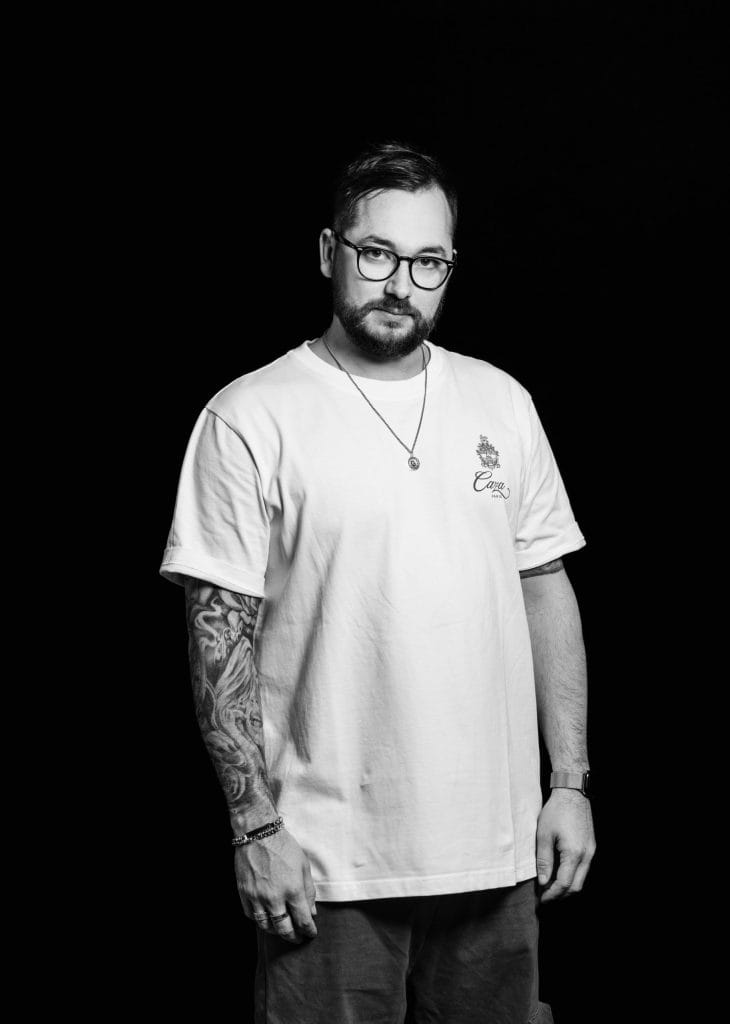
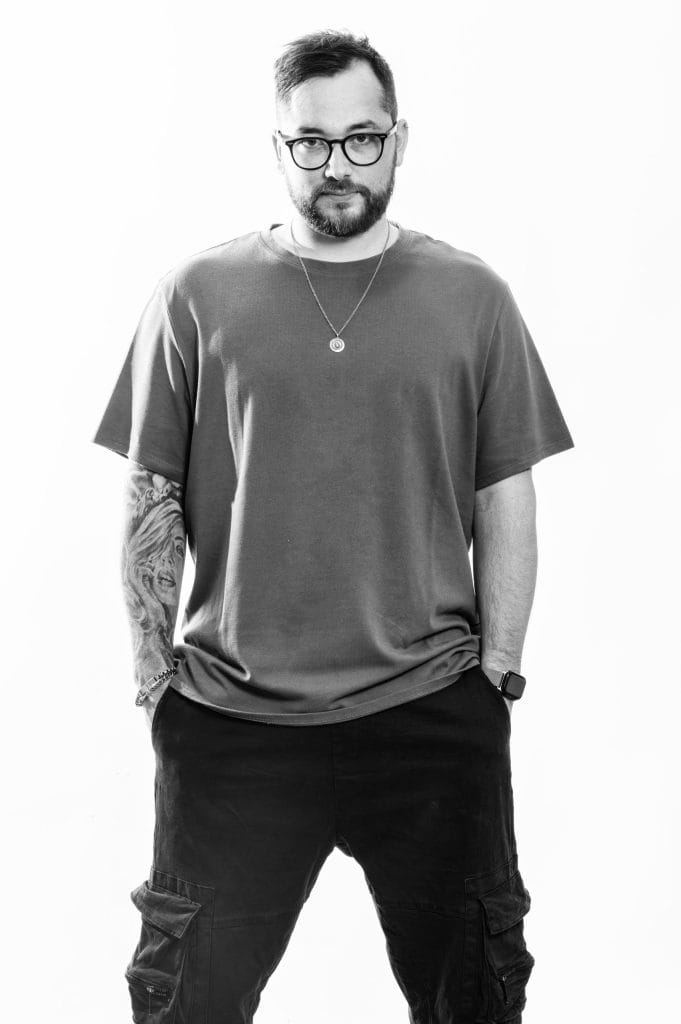
Iglesias returns to Sound D’Elite with his Pills N Thrills EP, landing on November 21 and marking his second release on the imprint. The project continues his rhythm-driven approach, pairing tightly structured percussion with club-focused energy across two originals, followed by a remix from Italian duo YOUniverse. It arrives after a steady run of releases on labels including Solid Grooves, Hottrax, COCO, and Mindshake, reinforcing a sound shaped for late-night rooms and extended sets.
Alongside the release, Iglesias reflects on how DJ culture has shifted over the years, especially around tools, expectations, and what audiences actually respond to on the floor. His perspective comes from lived experience rather than theory, touching on topics like hybrid setups, crowd awareness, and why certain long-held standards have faded while others remain central to the job.
This conversation moves between past and present, connecting his current outlook behind the decks with the mindset that informed Pills N Thrills. Rather than chasing trends or format debates, Iglesias focuses on intention, adaptability, and shaping a night that feels coherent from start to finish. It is a view that mirrors the EP itself, functional, direct, and built for the room first.
Interview With Iglesias
What’s one thing people used to say was essential for DJs that you’ve found doesn’t really matter?
Back in the day, there was this idea that having vinyl, or being able to beat-match manually on turntables, was essential, and that to be a “real DJ”, you had to spin records and prove your technical skill. But nowadays I think that’s less important than it used to be. The fundamentals of DJing have evolved alongside the new technology we have available, and what really matters today is how you use whatever tools you have to create a vibe, rather than whether you’re using old-school gear. I use a laptop and play hybrid live, for example. The tracks I play are synced together, as traditional beat matching only slows down my creativity during a live performance. I spent years using CDJs and learning vinyl; I don’t need to prove anything anymore on that front.
So for me, the “you must be on vinyl or CDs to be legit” standard is a load of rubbish lol. What’s essential is reading the crowd, curating music with intention, and shaping an experience, not necessarily the format of the delivery. The crowd can’t see what I’m doing; they just want it all to be seamless.
On the flip side, what’s one thing that’s still essential, even if no one’s talking about it right now?
What remains timeless is the ability to read the room, watching how people respond and guiding the night accordingly. The number of times I have arrived at a venue to see DJs hammering it at 130bpm at 11 pm is crazy. There doesn’t seem to be any thought in understanding the flow of the night, what time of the night they’re playing at, or how to build a crowd for the headliner. The art of warming up a room has been forgotten about, and it seems a lot of DJs just want to hammer it, which is why nights are getting shorter, and the crowds get tired. I know people don’t want to hear it, but it’s true!
Even with digital tools, livestreams or pre-prepared playlists, that awareness of the crowd, adaptability and being present in the moment still separates a good DJ from a great one.
Do you think there’s such a thing as paying dues anymore, or has that idea shifted?
Yes, but “paying dues” doesn’t necessarily look like it used to. In the past, it might have meant long nights carrying vinyl crates, playing small club gigs, and building your reputation slowly. Today, with lower barriers to entry, social media one-night wonders, ghost producers and an insane amount of online tutorials, many more people can call themselves DJs in just a few weeks. That also means the threshold for standing out is higher.
The landscape has shifted, but putting in the time, consistently honing your craft, learning what works and building authenticity still count.
What tools, traits, or habits matter less now that the landscape has changed?
A lot of the old rules people used to cling to don’t hold the same weight anymore. That rigid, genre-purist mindset is fading fast. With streaming, global influences and constant sharing of ideas, people are more open to crossover sounds. I’m seeing artists collaborate now who, years ago, you’d never have imagined in the same room. I love that approach.
I dipped into that a few years ago with breakbeat releases on Skream’s label and remixing myself into slightly different styles, but it didn’t catch on then. Now I think my audience is more open to hearing what else I can do in the studio.
And the idea that DJing is just pressing play is nonsense. Anyone who’s actually played to a real crowd knows there’s much more happening. Sure, tools make things smoother, but performance is still alive. Picking the right track, shifting energy, reading movement in the room. My hybrid-live approach is often invisible to the crowd, but that’s not the point. I use different tools to create a different experience.
Can you name a value or principle that still feels timeless, no matter how fast the scene evolves?
Authenticity. Being true to your taste, what moves you and what you believe works for the people in front of you. Whether that’s how you dress or the music you play. If I want to turn up in crocs and a Vans t-shirt, that’s who I am.
Musically, giving people a moment, a journey, a shared experience never stops mattering. The scene became judgmental for a while, but it always circles back to music and self-expression.
Have you had to unlearn anything from earlier in your DJ life that no longer applies?
One big thing I had to let go of was the belief that bigger means better. There was an obsession with having the flashiest setup, the most expensive gear, whatever was considered the pro standard at the time. I bought into that for a while.
Over time I realised none of that makes you better. It’s how you use your tools. When people ask where my CDJs are now, I confidently say I don’t need them. I have no shame in how I play anymore. I stopped caring about opinions and perception.
I also had to unlearn the fear of stepping outside my lane. I used to worry about drifting too far from expectations. Once genres started bleeding into each other, it clicked that holding back for imaginary rules was limiting me. Letting go of that opened everything up.
What do you think newcomers should prioritise if they want to last in the industry?
If you want longevity, it’s about getting the basics right. Learn how to read a crowd. Not chasing Beatport charts or bait classics for a quick TikTok moment. I see it all the time and it misses the point.
Newcomers need to balance entertaining with educating. Keep people engaged while introducing them to your taste and identity. Stay curious. Dig deeper than trends. Find music that genuinely moves you. That’s how you build a voice instead of copying others.
Consistency and honesty matter. You don’t need a gimmick. Show up with intention every time. It might take longer, but it lasts longer. Respect the craft and the people in front of you, whether it’s a warm-up slot or a festival stage. That mindset keeps you grounded and keeps you going.
The post Iglesias Shares What He’s Unlearned Over Years Behind the Booth appeared first on Magnetic Magazine.