



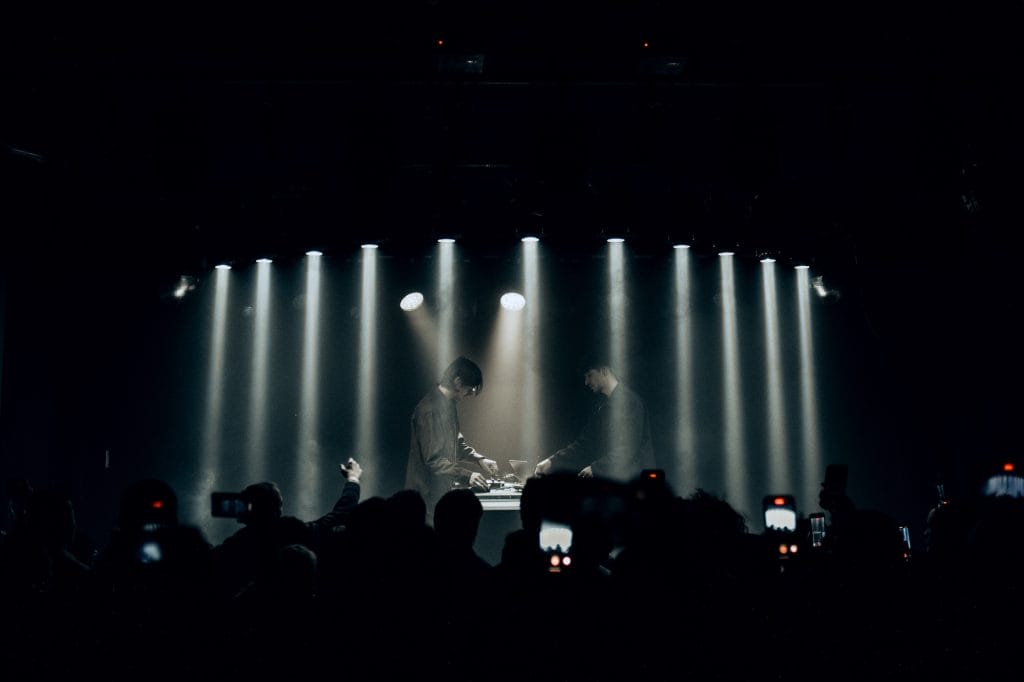
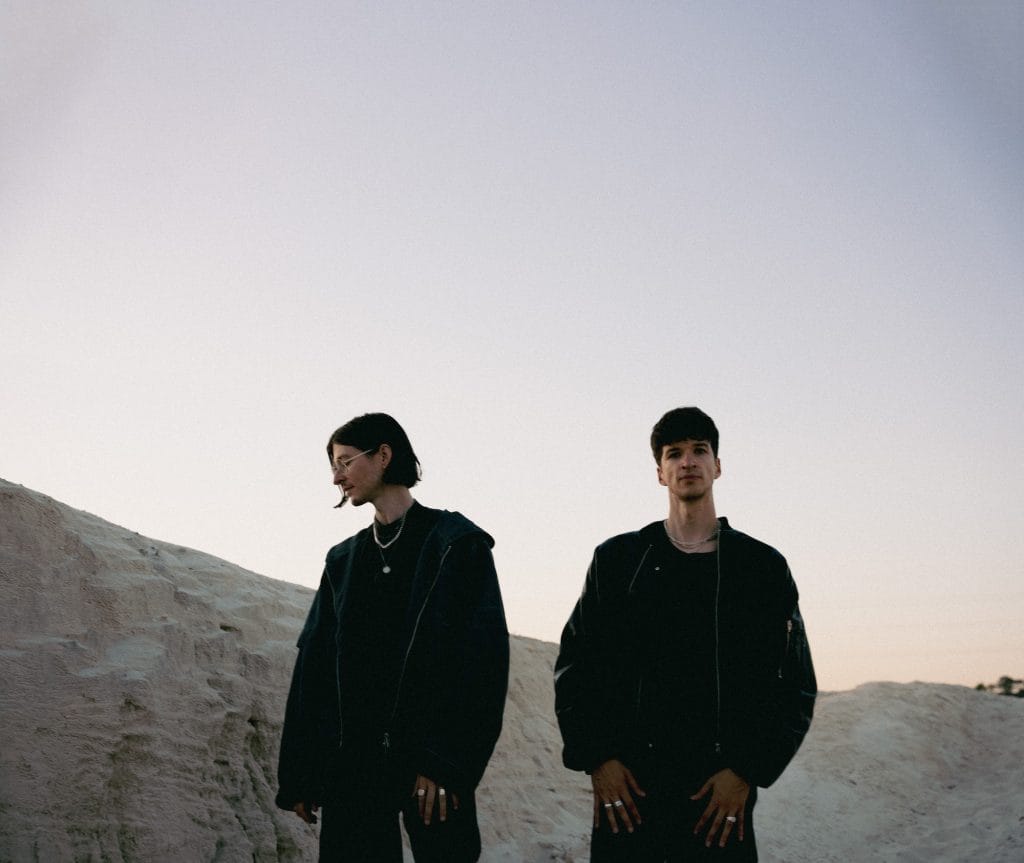
TWO LANES have spent the past few years building something that sits slightly outside the usual electronic live circuit. Their shows have grown steadily in scale, moving into larger rooms and sold-out runs, yet the core of the project still leans on restraint, space and a sense of physical connection between the two of them on stage. There’s a clarity to how they talk about it as well. The focus remains on the music and the experience in the room, not the metrics that tend to follow.
That balance hasn’t happened by accident. Alongside their own evolving approach to performance, a tight-knit team has helped shape the touring side of the project, with manager Matic Mac Rogan playing a central role in building out an operation that can support that growth without diluting what makes it work in the first place.
In this conversation, they reflect on how their live show has developed, the thinking behind “Signs of Change”, and the role of tension, silence and instinct in both their studio process and on stage.
You’ve built a reputation as a live act first. When you look back at the last couple of years, what do you think shifted that allowed the shows to scale while still feeling emotionally direct?
When we started the project, presenting our music as a live act was our only option. From the beginning, we wanted to include live instruments in the set and present a full experience. We’re happy to see that the shows are scaling, but we’re not focused on the numbers. Our main focus is on giving our audience the best live performance and music possible. If we sell out a show, we’re happy, but the numbers aren’t the reason we’re here.
Your latest release “Signs of Change” was very well received. Was that track reflective of a broader transition for TWO LANES, including how you think about the live environment?
“Signs of Change” was the single we released together with Cercle. They invited us to perform at one of their festivals in Paris in 2025, where we presented the track live for the first time. After that, we started discussing releasing it together, and it naturally came together from there. We’re really happy with how the track is performing and are looking forward to potential collaborations with them in the future.
Your music leans heavily on dynamics and restraint. How deliberate are you when writing with negative space, knowing those details tend to land differently in a room full of people?
Very deliberate. Space creates tension, and tension makes everything else meaningful. In a live setting, silence or minimal moments can feel incredibly powerful if the room is with you.
When a new piece enters the set, what tells you it belongs there long term? Is it crowd response, your own physical sense on stage, or something more technical?
Usually we feel it physically first. If it locks in between us on stage, that’s a strong sign. Crowd response matters too, but it’s more about whether the track holds emotional weight across different rooms.
Audiences often describe your shows as immersive without relying on heavy theatrics. How much of that comes from musical arrangement versus production design?
When we play live, we perform 100% Two Lanes music and aim to present both our new and older tracks to the audience. We’d say production and performance are equally important. Of course, the music itself comes first, followed by the live performance.
Scaling a touring operation usually means trusting more people with the project. Who has become essential within your live team, and how has that changed the way you operate day to day?
We plan everything together with our manager, Matic Mac Rogan, who helped us build the entire touring operation across different territories. We also work with different booking agents and production tour management teams around the world who help us develop and bring the show together.
Many electronic acts talk about the tension between studio precision and live unpredictability. Where do you sit with that now?
In the studio, we’re very precise. Live, we allow small imperfections and spontaneous moments. That tension keeps it alive.
After a run of sold-out dates, expectations naturally rise. Does that influence the kind of material you write, or are you careful to keep those worlds separate?
From the very beginning of the project, our goal has been to present our music to the world. That’s still the main focus, and we don’t pay much attention to sold-out shows or how many tickets we sell. Of course, playing sold-out shows is a great thing, but it’s not the most important part for us. The music always comes first.
Follow TWO LANES on Instagram
The post “If it locks in between us on stage, that’s a strong sign” TWO LANES on the evolution of their live show appeared first on Magnetic Magazine.