


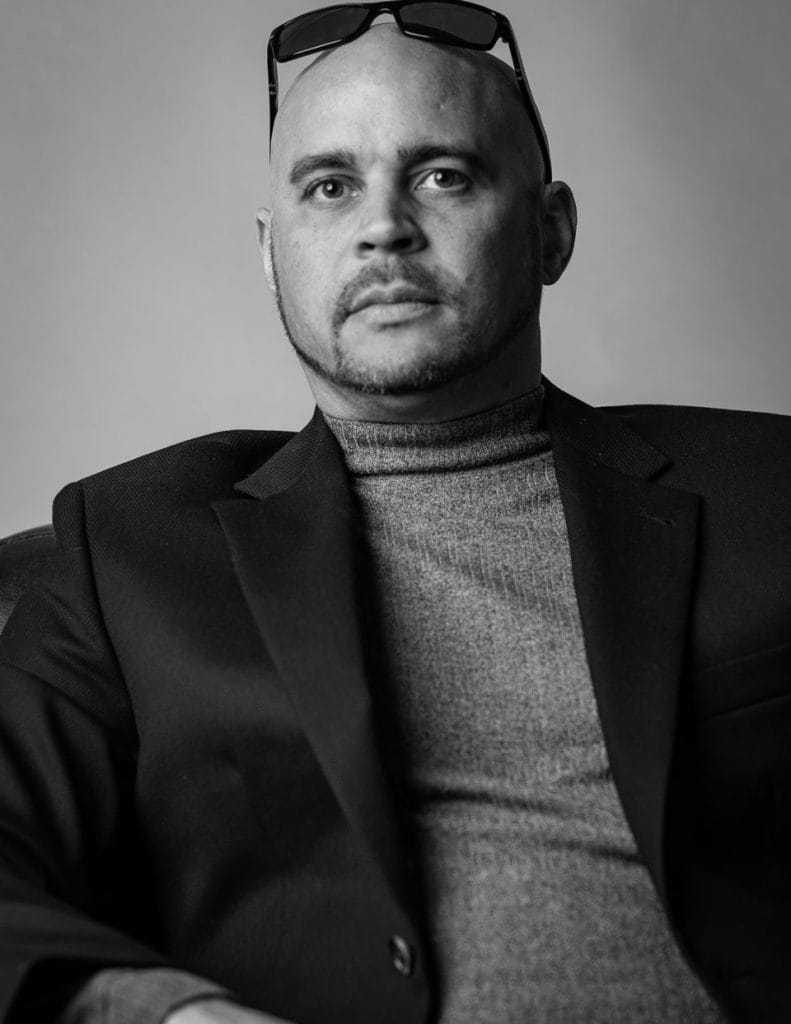

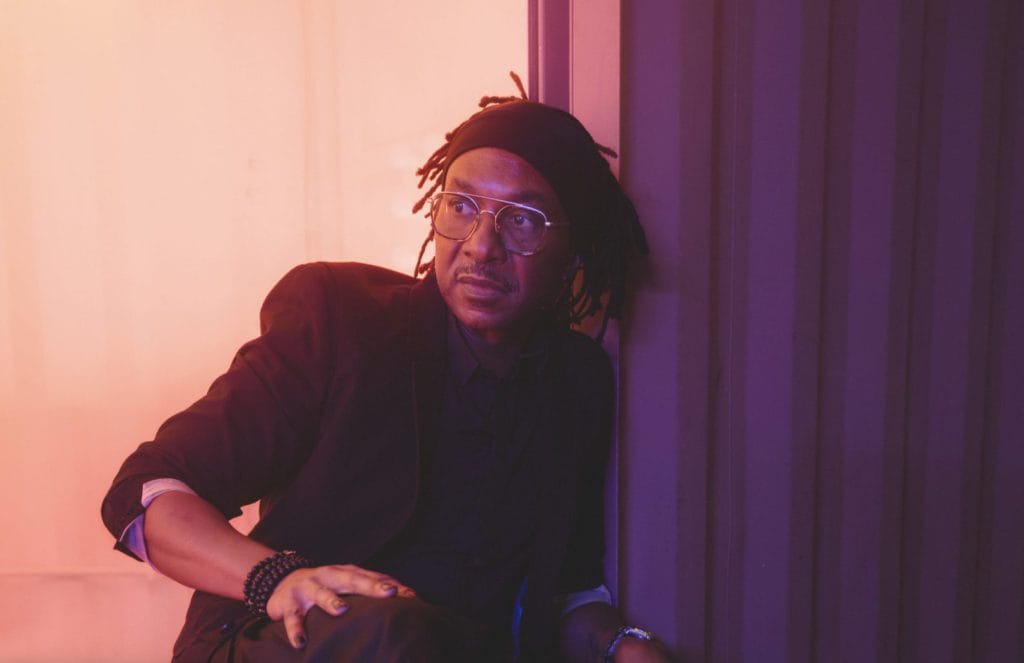

Aliases can sometimes have a habit of outgrowing the people who create them. For Lex Valverde, that moment arrived last year, when the producer decided the long-running Better Than Lex project no longer reflected who he was or where his music was heading.
His new single Takatal, released via Alleanza, marks the first clear statement under his own name and lands with purpose: darker, more percussive, and comfortable taking its time. In the conversation below, Valverde reflects on the decision to retire the alias, the production habits behind the track, and why a good kick and bass relationship still decides everything.
What shifted for you personally that made releasing under your own name feel necessary at this point?
While I love the project of ‘Better Than Lexl, lately it felt far from who I am as a person and an artist now. I built Better Than Lex during a time when I wanted to party every night and drink tequila out of the bottle, that’s not me anymore. I barely drink nowadays, I’m getting married this year, and I would love to build a family at some point. So, the more I thought about this present and future Lex, the more I felt I needed to take a step to a new artistic version that matches my current energy, vision and values. And while I was sure I wanted to keep the ‘Lex’, I thought about what to add that felt long term, and nothing is more long-term than my family name.
At what moment did you realise the alias no longer matched how you listen, produce, or present records?
I think it hit me last November. I was booked to open the Mainstage at FAIRGROUND Festival in Germany, alongside artists such as Charlotte de Witte, Amelie Lens, KI/KI, and Meduza. I was preparing a bit the set, listening to some promos and also finishing two records I debuted that night and it was not really fitting the style of Better Than Lex, but I knew this was a direction I wanted to persue. It was a big moment in my career, that made me think throught a lot of things and ask some hard questions, like what does Better Than Lex stands for, and is that person still me? which the answer was no.
Which city most changed how you judge whether a record genuinely functions in a room?
Rotterdam. I recently played there for the first time in the iconic Now&Wow, and my god, such an amazing crowd, I played so many of my new music and the reaction was insane. I never had this many amount of people jumping on a drop of a brand new track of mine that has never been played before, I felt so connected with the dancefloor, it was truly special.
What tells you a track is finished before any crowd feedback enters the picture? For example, with Takatal…
I used to be very judgmental and a perfectionist about this, constantly delaying getting music out, now I understand that the worst thing to do is to keep the music in your Drive, music needs to be shared with the world. Takatal in particular, I listened to a loop of it om repeat while going to buy groceries or driving my car, and I was grooving to it all the time, eventually I decided to send it to Jewel Kid, who already rejected around 10 demos I sent before, but with Takatal was an immediate yes, then there was no doubt, Takatal was ready to fly!
When you start a track, does the low end begin with kick character, bass movement, or the relationship between the two?
Always the two, the kick drives and the bass give the substance, the soul of the record, if these two don’t work, nothing will, and they must be side-chained, some people say they can’t work without side-chain, I haven’t figure that out, the first plugin I use in all my projects is Kickstart2.
How do you manage negative space in the mix so the record holds tension without relying on constant elements?
Hahaha, I had to Google what negative space means. I didn’t know there was a term for this, since it’s been a basic thing I’ve learned since the beginning of my Production Journey with the Toolroom Academy. Anyway, I think of negative space as part of the groove. I pull things away, drop percussion for a few bars, shorten reverb tails, thin out the low-mids, so the track feels like it’s breathing. I rely a lot on automations filtering, adjusting decay times, and narrowing stereo width. Small variations, but they change the energy a lot and make other moments more impactful.
The spoken vocal sits inside the rest of the track rather than above it. What processing or editing decisions made it behave like an instrument?
I never wanted it to feel like a “top line” so I rather treated it like texture. I cleaned it up first, but instead of pushing it forward with bright top-end, I left it in the mids and let it share space with the synths. There’s some compression, subtle saturation, and some filtered reverb so it blends rather than floats on top. I also automated volume and EQ so certain moments the vocal would poke through while others melt back in. It’s sitting in the groove, behaving like another rhythmic element instead of a vocal lead.
How much of your timing comes from strict quantisation and how much from nudging hits manually until it feels right?
I try to keep it balance. I usually start with tight light quantisation just to lock the foundation, (kick and bass). But after that, I’m nudging things by hand. Hats, percussion, little ghost hits… those are almost never perfectly on the grid. I use Groove Pool as a starting point, then zoom in and move things a few milliseconds until it feels right. I don’t like too perfect tracks, doesn’t feel right when they’re chirurgical.
When support from bigger DJs arrives, how do you stop it subtly steering your next decisions?
I had that once, after Fedde Le Grand played my track Believe In The Music, my immediate reaction was to make a very similar 2nd track as a follow-up. You can imagine, that didn’t really worked. Believe In The Music, was born of pure joy of making music, not thinking of who would play it or not, so I try to come to the studio with the same mindset, to make music for my own joy.
Do you feel club music is becoming more individual in practice, or more standardised in structure?
I think the majority is very standardised, it’s normal, DJs need and intro, an outro, some break and a drop. Also I have notice how tracks are becoming shorter every time, that also feels very standardised, which is why is great one you listen to a track that’s come out of the norm. I like making music like that, add some element or variation in structure to keep it at least a bit different, I don’t nail it every time to be fair, but I keep learning, trying and experimenting.
After playing across different countries, do you still sense cultural differences in how crowds interpret rhythm?
I think people will always react to good music, but of course geographical locations have differences in between. I played last year in the Pride Parade in Berlin and I went with Techno and it worked great. I played in a Beach Club in Mexico during winter so I went more to this club tech house with latin rythms and it worked great + the crowd could sing the lyrics. Culture definitely changes the experience, but our jobs as DJs is to be able to read the crowd, and adjust, I think the worst a DJ can do is to play for them alone.
Takatal is out now on Alleanza
The post “I needed to take a step to a new artistic version of myself” Lex Valverde interview appeared first on Magnetic Magazine.