


Most artists and creators pack for a festival the same way they pack for a weekend trip, then they get on-site and realize the schedule asks for three different versions of them in one day.
You have daylight content, you have night photos, you have quick backstage moments, and you have a long stretch of time where you are moving, sweating, sitting on curbs, and dealing with whatever the weather decides to do. If you plan your kit like a small production system, then your outfits look consistent across shoots, your bag stays manageable, and you spend less time fixing wrinkles or hunting for missing pieces between sets.
The goal with festival packing, at least when you have to shoot on-site, comes down to repeatability.
You want a tight set of pieces that pack flat, resist wrinkles, handle temperature swings, and photograph in a consistent way across different lighting conditions, then you want a few controlled options for switching the look without hauling an extra suitcase.
Start with the shoot plan, then pack backward
Before you pick outfits, lock the purpose of what you are shooting and check before you pack what you bring. If you are capturing promo for a release, then you need a look that stays consistent across multiple locations and multiple days, and the clothes need to look like they belong in the same visual system. If you are documenting a weekend for socials, then you can rotate looks more freely, but you still want the photos to feel connected so your feed does not look like four unrelated trips.
I plan it around three shoot windows, and I pack to cover those windows cleanly: daytime content, golden hour, and night. Daytime asks for fabric choices that do not show sweat easily and do not turn transparent in direct sun, and night asks for silhouettes that read clearly under LEDs and phone flash without requiring constant adjustments. Golden hour tends to be forgiving, but you still want pieces that sit flat on the body so you do not spend your best light steaming a hem.
From there, I decide what the “hero” look is, meaning the one outfit that can carry the biggest shoot of the weekend. That hero look becomes the anchor, then everything else supports it. When you do it that way, your styling decisions get faster on-site, and you stop burning time on outfit debates when you should be shooting or getting to the next set.
If you are traveling with a team, you can scale this up into a shared shot list and a shared visual palette, but even solo creators benefit from writing down a simple plan in the notes app. You are not trying to control every detail, you are trying to reduce the number of decisions you have to make while tired.
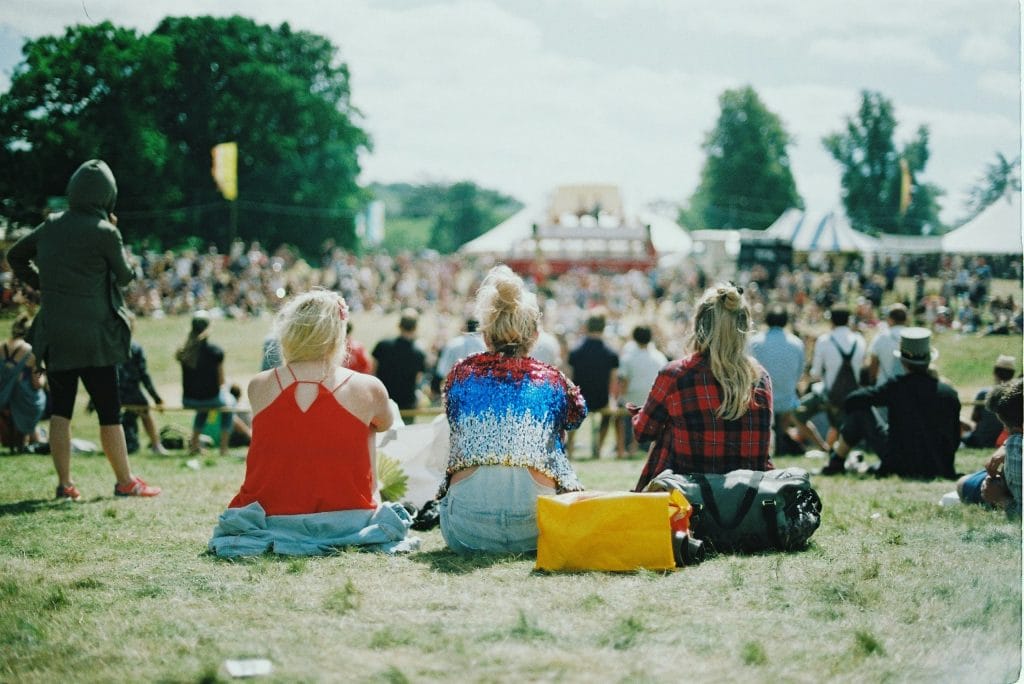
Choose fabrics and silhouettes that survive travel and camera reality
Packing flat and avoiding wrinkles starts with fabric behavior, and it also starts with being honest about what you will do on-site. If a piece needs careful folding, hanging time, and a controlled environment, then it will not stay camera-ready in a cramped hotel room or in a packed car.
In general, you want fabrics that recover quickly after being folded, and you want silhouettes that do not rely on constant re-positioning. Knit blends and structured synthetics tend to travel better than thin cottons or linen, and darker tones tend to hide minor creases better than light, flat colors. That does not mean you have to dress in black all weekend, but it does mean you should test your pieces by folding them tightly for an hour, then putting them on and seeing what shows up on camera.
For photo and video, consistency matters more than novelty. You can change accessories, outer layers, and footwear, and the content still reads as one system if the core silhouette and color story stays stable. That helps a lot at festivals because you shoot in mixed conditions, and the same outfit can look very different from noon to midnight. A clean silhouette that holds its shape gives you a reliable baseline.
This is also where “packable statement” pieces matter, because you want one or two items that read as intentional on camera while still traveling well. A corset-style dress can work in that slot if it packs flat, holds shape, and stays secure during movement. If you want a specific example that fits the bill, Reina Corset Dress works as a packable statement option because it gives you a defined look without relying on bulky layers, and you can restyle it across shoots with a jacket, a sheer layer, or different footwear.
The other fabric reality is temperature swings. Festivals often start warm, then drop fast after sunset, and creators get caught when the look was built for one temperature only. I treat layers as part of the styling system, not as an emergency fix. A compact jacket, a shirt you can tie at the waist, or a light overshirt that still photographs well gives you control, and it keeps you from defaulting to whatever hoodie happens to be in your bag.
Build a modular outfit system that stays consistent across shoots
When you have to shoot content on-site, the worst-case scenario is an outfit plan that requires too many unique pieces. It sounds fine while packing, then you realize you have no space for it, and your bag turns into a pile of items that do not combine well. Modular packing means each piece has a job, and most pieces can pair with at least two others without looking random.
I usually build it around a core of three tops, two bottoms, one statement piece, and two layers, then I choose shoes that can handle walking and still look correct in photos. That gets you enough variation for content without bringing your whole closet. You can still add personality with accessories, but the base pieces do most of the work.
Consistency across multiple shoots comes from repeating a few elements on purpose. That can be a repeated silhouette, a repeated neckline shape, a repeated outer layer, or a repeated color pairing. If your weekend content is split across day and night, you can still keep it cohesive by repeating one anchor item and changing the rest around it. That gives your audience continuity, and it also makes your own workflow easier because you know what you are building around.
This is where a packable statement dress earns its spot, because it can become the anchor in the system, and you can create several distinct looks around it without bringing extra bulk. One night you run it clean with minimal accessories and a simple layer, then another time you change the outerwear and the shoes, and it reads as a different moment while still belonging to the same weekend.
When you plan the system, also plan for the physical realities of shooting. If you are wearing a piece that shifts when you sit, then you will spend the whole day adjusting it, and that shows up in how you move on camera. If you are wearing something that needs a special bra solution, solve it before you travel, and pack the solution in the same pouch as the outfit so you do not improvise at the last minute.
If you are an artist, there is also a brand layer to this, and you can handle that without turning the weekend into a styling project. Pick one visual lane for the weekend, keep it consistent, and let the content show the work and the environment. The clothes support the story you are telling, and they should not become the main problem you are managing.
Pack the on-site support kit so you stop losing time to small problems
Wrinkles and travel wear are one part of it, but the bigger time loss usually comes from small failures that happen repeatedly. You spill something, your deodorant marks show on camera, your shoes start rubbing, your hair picks up frizz, or your outfit needs a quick fix and you have nothing that helps. A small support kit keeps you moving, and it protects the time you set aside to shoot.
I keep it simple and compact. A travel steamer can help if you have space and reliable power, but a lot of the time you can avoid the need by picking fabrics that recover well and packing them correctly. Instead, focus on quick fixes: a lint roller, a small stain remover pen, fashion tape, a few safety pins, and a compact sewing kit. Add blister protection and a mini deodorant, and you solve the most common problems that show up in photos and video.
The other part is how you pack. If you pack outfits as sets, then you stop digging through your bag and you stop mixing items accidentally. I pack each outfit into its own pouch or bag, and I put accessories and underlayers in the same pouch so the look comes out as one unit. That keeps your room clean, it keeps your bag organized, and it makes it easier to switch looks quickly when the schedule changes.
Finally, think about what makes footage and photos usable. You can have the best outfit in the world, but if you are uncomfortable, overheated, or constantly adjusting, the content will show it. Your clothes should support movement, and they should support the pace of a weekend where you are on your feet and you are shooting between commitments.
When you pack like this, you end up with a kit that travels cleanly, looks consistent across multiple shoots, and holds up from day to night without constant fixes. You also end up with a system you can repeat for the next festival, and that repeatability is the real advantage because it turns packing into a routine instead of a fresh problem every time.
The post How To Avoid Wrinkles And Outfit Stress At Festivals appeared first on Magnetic Magazine.