



This edition of How It Was Made focuses on Carlo’s Jungle Magic EP, a four-track release that feels rooted in sample work, raw groove, and a house vocabulary that stays loose without losing control. Based in Berlin and originally from Spain, Carlo has spent years refining a sound that pulls from soul, funk, jazz, and house in a way that still feels built for clubs.
That comes through clearly on this EP, where each track leans on feel, texture, and arrangement choices that sound lived-in rather than overworked.
“Jungle Magic” feels like the right place to zoom in, as it captures much of what makes his production click. The track moves with rolling bass, spoken-word fragments, and a groove that keeps shifting just enough to stay interesting.
There is warmth in it, but also grit, and that combination seems tied directly to the way Carlo builds tracks from distinctive source material, then reshapes those sounds until they sit inside his own world. The end result feels direct, club-ready, and personal at the same time.
For this How It Was Made feature, the useful part is the practicality of the workflow. Carlo is not hiding behind a huge stack of gear or an overly polished process. The backbone here is the Digitakt 2, then a small group of plugins that help add movement, texture, and separation without sanding the track down. That gives the breakdown a lot of value, especially for anyone making house who wants records to feel human, rough around the edges, and strong enough to hold a room.
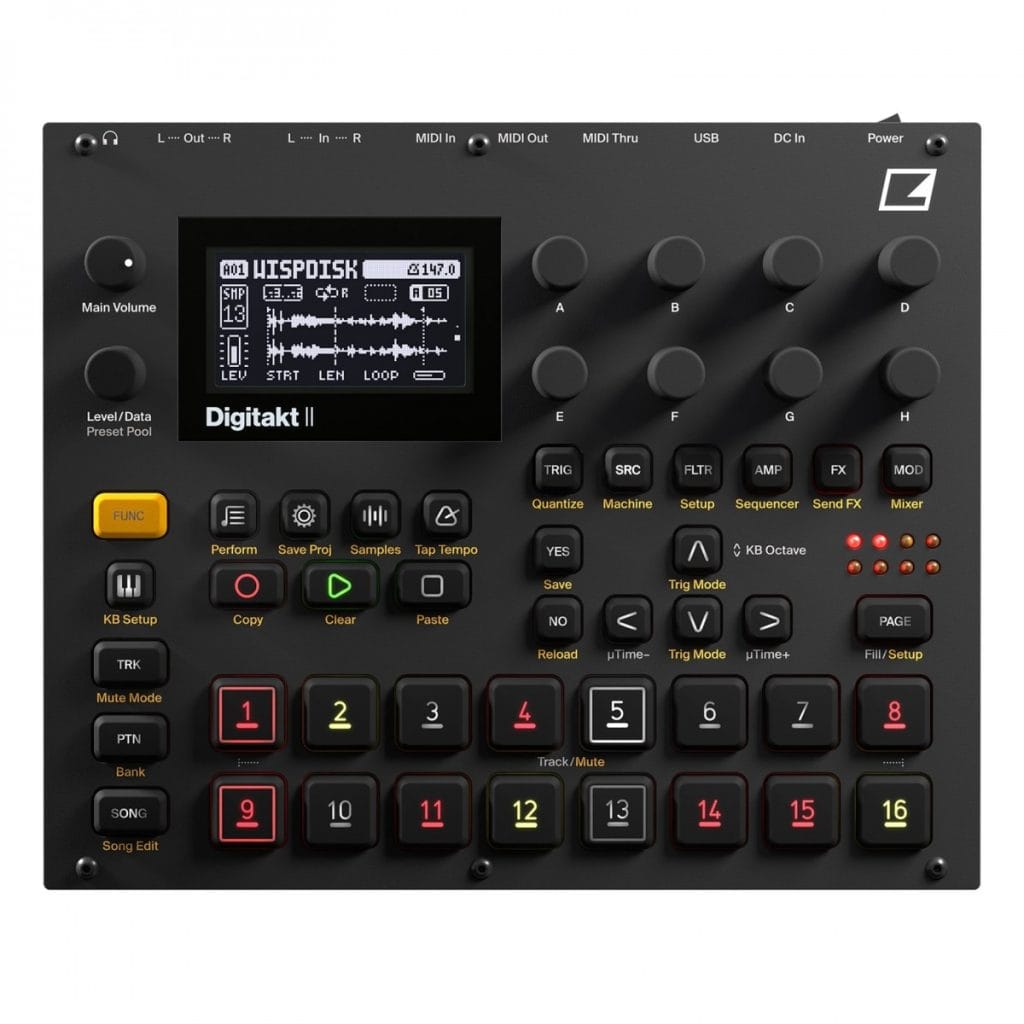
DIGITAKT 2
All the drums and vocals in this tune were made with the Digitakt 2. I’m not going to enumerate all the qualities of the sampler; you can find plenty of useful information online, but the great sequencer, the happy accidents, the incredible sounds, the simplicity, and the fact that you can tweak all these parameters in real time make this sampler truly effective. I’ve owned one for a few months, and it has been a game-changer in my approach to producing.
You can actually record all the tracks at the same time from the plugin into your DAW, but instead of doing that, I recorded every channel one by one. I jammed throughout the whole track to make sure there were lots of combinations and different patterns running throughout the song. I played with the decay, the reverb, and the different rhythms and delays to create variations and avoid a repetitive, loopy feeling.
If you don’t have this sampler, there’s nothing to worry about. A way to achieve a similar effect in Ableton or any DAW is by using something like the Chance device, which randomizes the notes played so that it always sounds different throughout the track.
RC-20
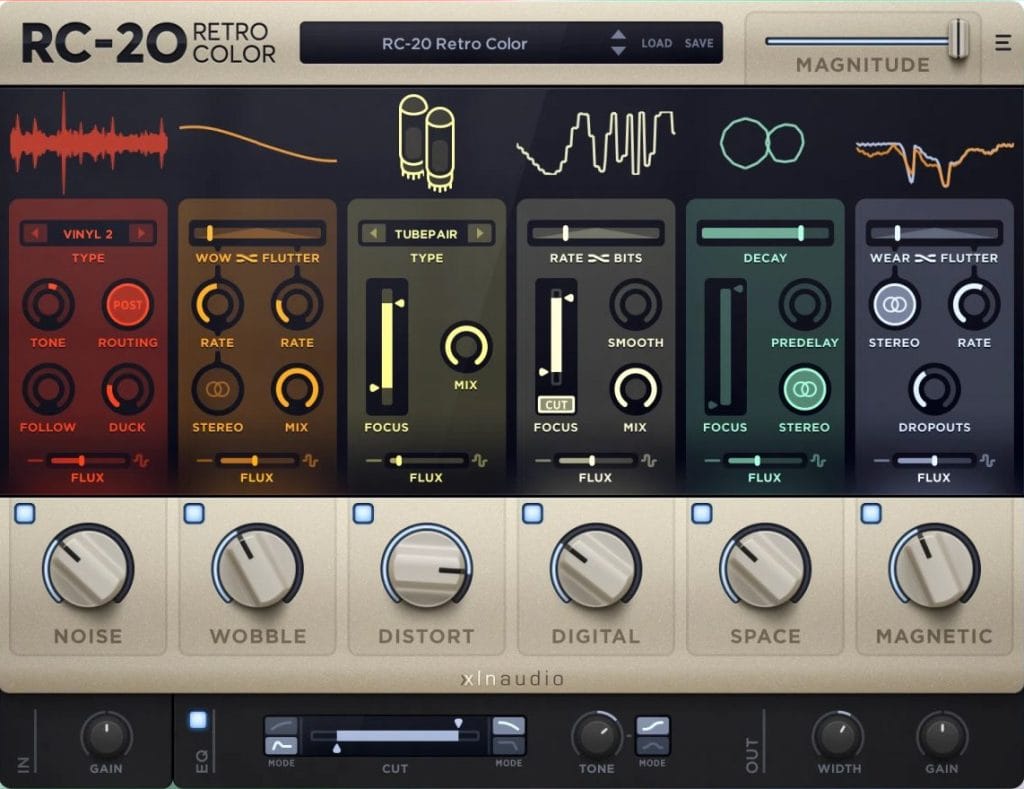
When it comes to adding character, I love the RC-20 plugin. It has everything you need to finalize a sound, from distortion to wavy flutter effects, reverb, and noise. You can make something feel warm, gritty, or alive, all in one place. It’s simple to use but really powerful for giving your tracks personality.
For this track, I used RC-20 on the drums, synths, and bass to really bring them to life. I messed around with the distortion, especially on the bass, and added a bit of the flutter effect on the synths to keep things moving. I also grouped the synths and threw on some reverb and subtle noise to glue everything together.
Using it on groups instead of individual sounds can really unify a mix, and small tweaks over time can make a huge difference. Don’t be afraid to push the distortion or wobbles a little; sometimes that’s where the magic happens. Overall, it’s a plugin that keeps things interesting without overcomplicating your workflow.
Soothe2
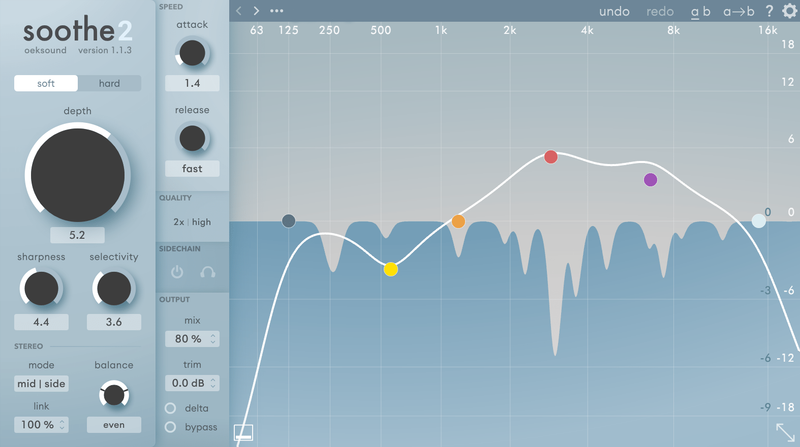
Another plugin I used here was Soothe2. It’s basically a dynamic EQ that works really well to fix harsh frequencies without messing with the rest of the mix. It’s best used for high-end adjustments once you know how to mix, because it reacts in real time to whatever is happening in the track. It’s super handy for smoothing things out and keeping everything clean.
In this track, I used it to avoid the drums colliding with the pad using the sidechain option, and the same for the bass, so it wouldn’t clash with the kick. I adjusted the frequencies a little to get enough space without losing the body of the sounds. Letting the plugin react dynamically made sure things moved naturally as the track evolved. It’s subtle, but it really helped the mix feel open and balanced.
Soothe2 is great for keeping everything from stepping on each other. The main thing I’ve learned is to use it after you have your mix mostly set. It’s not a tool to fix a bad mix. It’s for polishing. Overall, it’s one of those small tools that make a track sound more professional without doing anything flashy.
FilterFreak
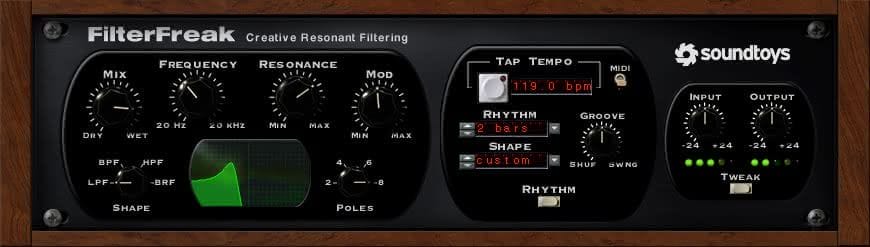
I used FilterFreak a lot on this project. It’s a plugin from Soundtoys that lets you apply different types of filters to any sound, and you can automate them in real time. You can create sweeps, movement, and evolving textures that make a track feel alive. It’s simple to use but gives you a lot of control over how elements interact over time.
For this track, I used FilterFreak on the drums and synths, setting up a bunch of different filters on each element so things would change throughout the song. I kept the wet signal very small in the mix, enough to add texture without overpowering the original sound. I automated the filters to evolve slowly or hit at certain points to keep the track interesting. This helped add subtle differences and textures so nothing felt static or repetitive, giving the whole mix a sense of motion.
I’d recommend setting up different intervals for all the filter frequencies you’re using. Playing with the wet/dry is key, and using it on drums and synths in particular can really bring energy and variation.
Carlo’s Tips For Making Music
- Search for unique samples. This is honestly the most useful tip I can give. There are millions of sample libraries out there, and many of them are used by countless producers, so try to avoid the obvious ones, or at least make them feel personal. For the core of this track, I dug up recordings of UK radio ads from the ’90s where different raves were announced on pirate radio shows. The sound, the grittiness, and the raw character of these recordings added something unique to the track.
- Listen to a lot of records before you start making music. Have a clear idea of the path you’re heading, even if you don’t finish there. This helps a lot because you already have a sense of where you want to go.
- If you get stuck, listen to the music you are playing right now. It helps you find a vision of where to go next.
- As Picasso is often quoted: “Good artists copy, great artists steal.” The idea is about taking your inspirations and making them your own, so they become part of your voice. You could apply this to the search for samples, for example.
The post How It Was Made: Carlo – Jungle Magic appeared first on Magnetic Magazine.