





Table of Contents
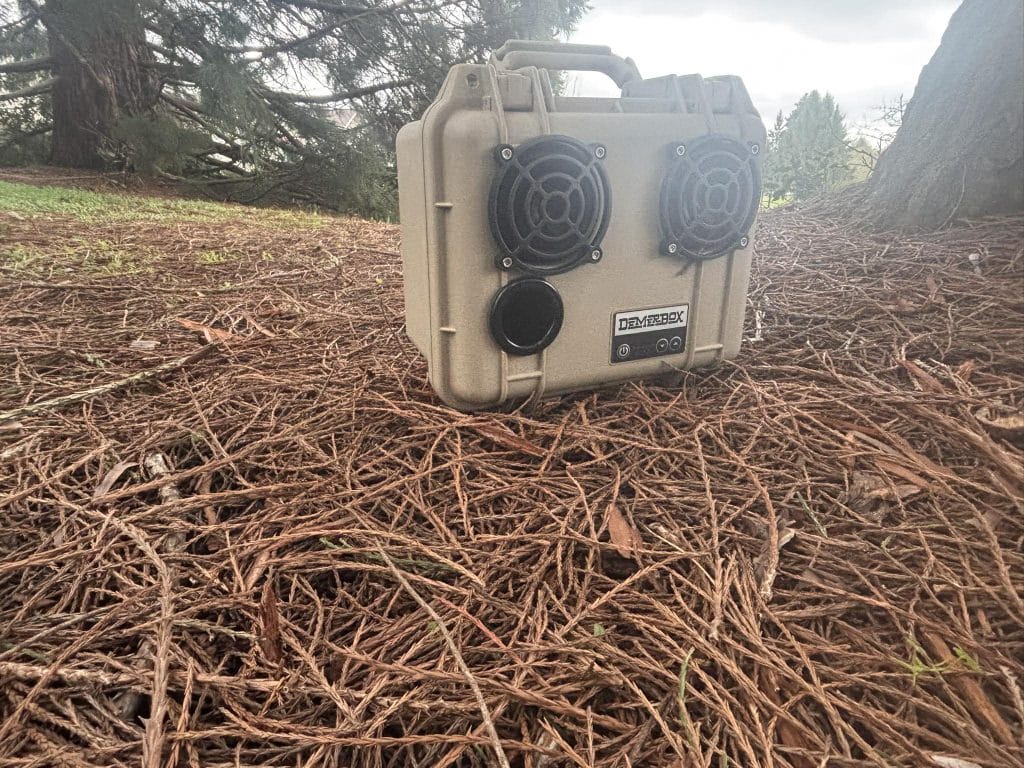
When approaching a speaking like the DemerBox DB2, I thought it was pretty important to focus on it’s biggest strength and the one thing that it does completely different than every other Bluetooth speaker our there and then widen the lense from there; so basically I treated it like sealed outdoor gear first, and that changed how I judged everything else.
I packed it the way I pack hard items that get tossed in a truck bed, and I used it the way people actually use camp gear, which means it got moved a lot, got dusty, got splashed, and got handled with cold and dirty hands. I kept it in spots where a normal portable speaker starts to look stressed after a few hours, and I did that on purpose because the whole point of this product is that it can take that treatment.
This speaker weighs 5.44 lb and measures 10.62 x 9.68 x 6.87 inches, so I never tried to treat it like a small-hike speaker. I treated it like something that lives in the vehicle and comes out at camp, or sits on a boat, or stays in a work setup where water and dust are present all the time all in order to put pressure on the long-term ownership story and on how well it holds up when you stop babying it in hopes to see if it lives up to the price tag of $399.
How it packed with my camp kit
The DB2 felt built for base camp life, and that came through quickly once I started packing it with my normal gear. The box shape mattered because it stacked cleanly with other items, stayed put during transport, and did not roll or slide around when the road got rough. That sounds simple, and it matters a lot when you pack fast and unload fast.
At 5.44 lb, I had no problem carrying it around with one hand, and I could move it from a table to the Honda to a tent area without thinking about it.
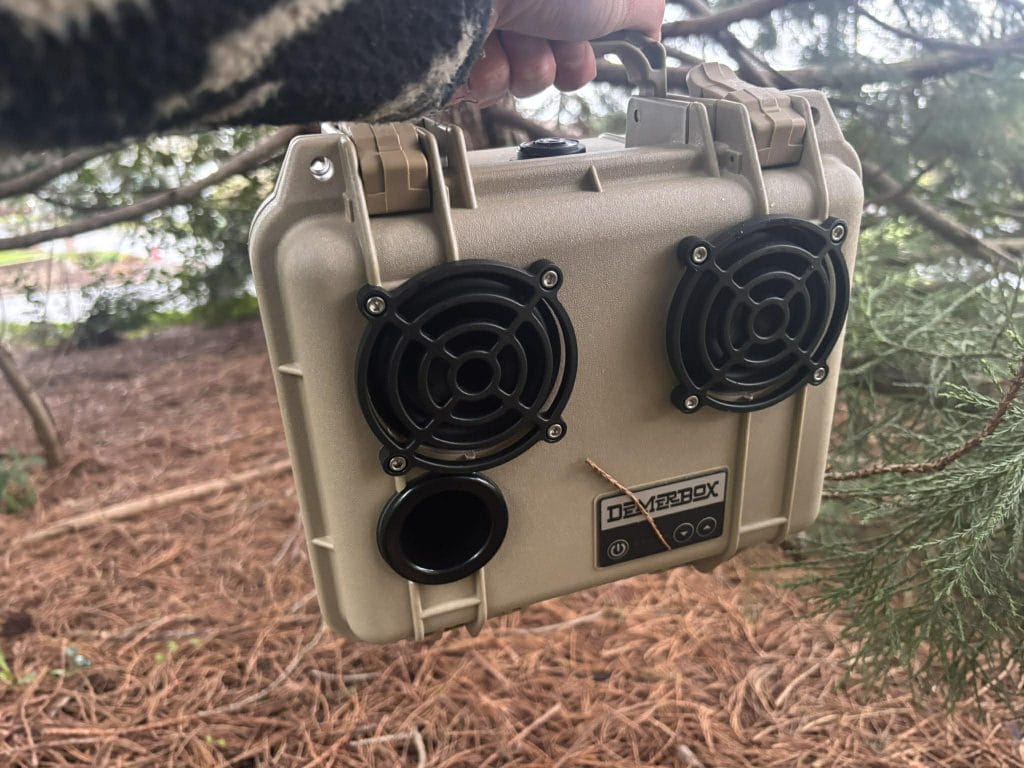
At the same time, I would not plan a long walk around it, because the weight adds up, and the shape takes a real amount of space. If your idea of “outdoors” means hiking for miles, this one will feel like a commitment. If your trips are overlanding, car camping, boating, hunting camps, job sites, and tailgates, the size lines up with how you already bring gear.
The way it sits in the loadout also changes how you use it.
I gave it a dedicated spot and stopped trying to tuck it into random gaps, which made everything easier. Once it had a home in the truck, the “bulk” conversation got quieter, because it behaved like a cooler or a camp stove. It stayed ready, it stayed protected, and I did not have to think about where to put it every time.
The shell & the seal
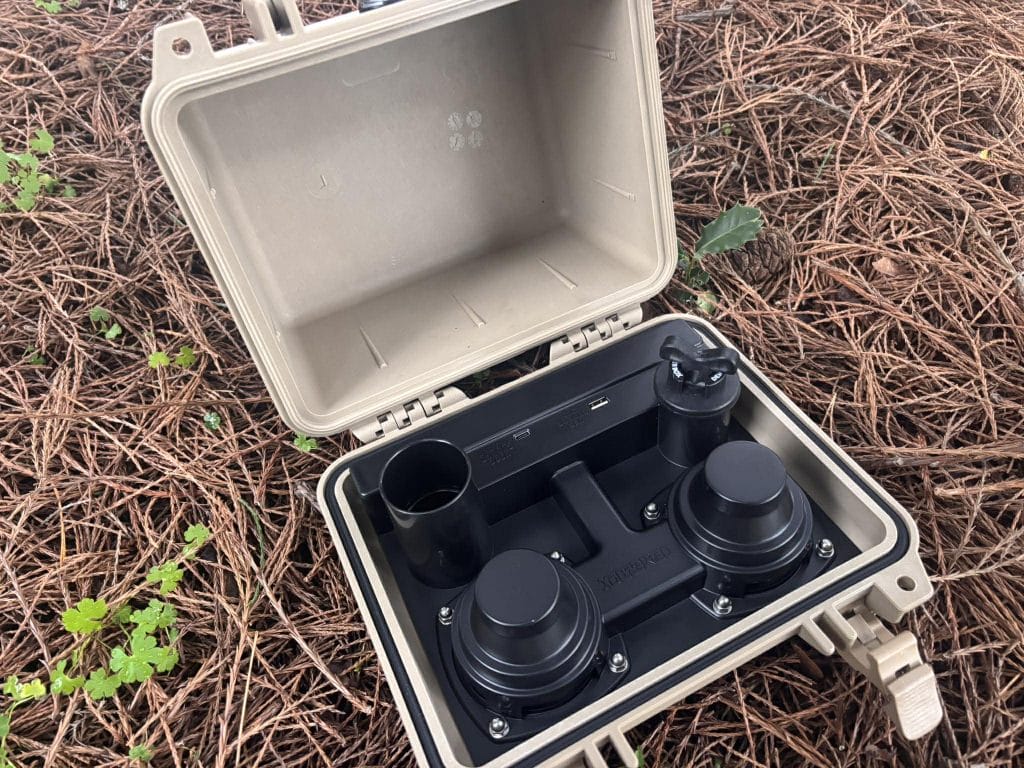
I expected the genuine Pelican case shell approach to do most of the durability work, and in my use that expectation held up. The enclosure felt like a real sealed case that happens to hold speakers, and that is the correct mental model for how it behaves.
I watched how it handled bumps, vibration, quick moves, and being set down on rough surfaces, and I did not get the sense that it needed special care.
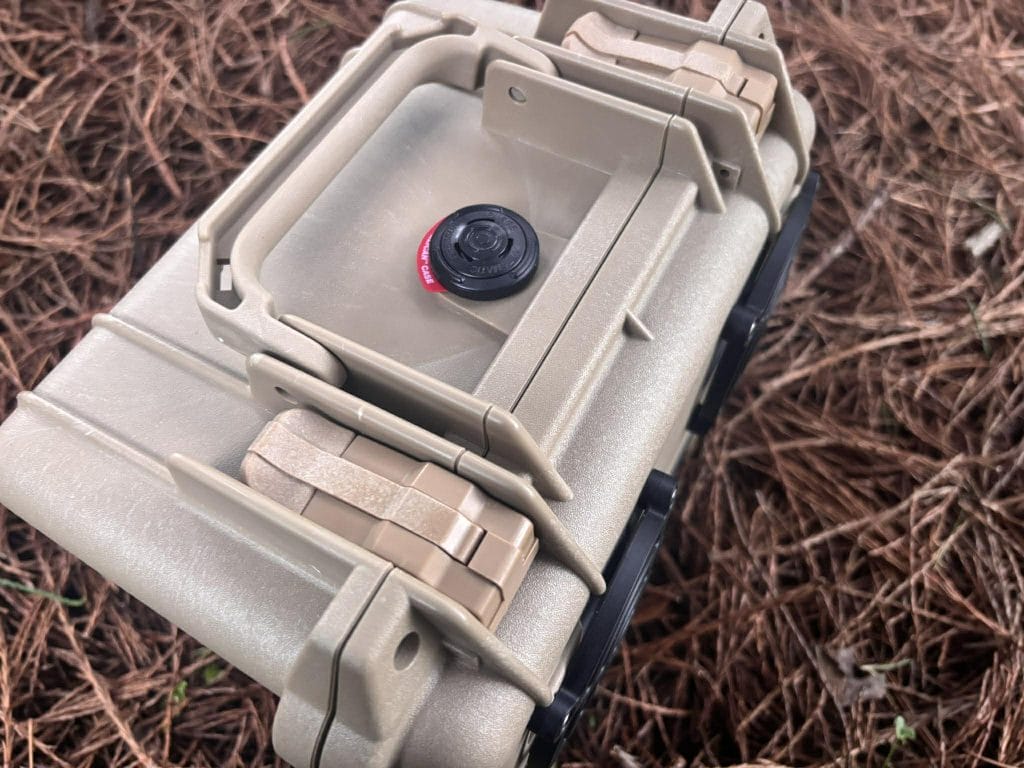
I also paid attention to the pressure equalization valve detail, because that signals a design meant for real sealing and real pressure changes. In the bush, gear sits in direct sun, then in shade, then gets thrown into a vehicle where heat builds, and sealed enclosures can behave differently under those changes. That valve detail reassured me that the sealing system was designed for those swings.
The latches were stiff, and I accepted that as a trade-off for water- and dust-sealing. I noticed it most when my hands were cold, wet, or gritty, because stiff latches demand a deliberate pull and a clean close. I adjusted fast, and I built a routine around it. I opened it with intention, and I closed it with intention, and I made sure the seal area stayed clean. That routine is part of ownership, and it is the part people skip when they want “waterproof” gear to act casual.
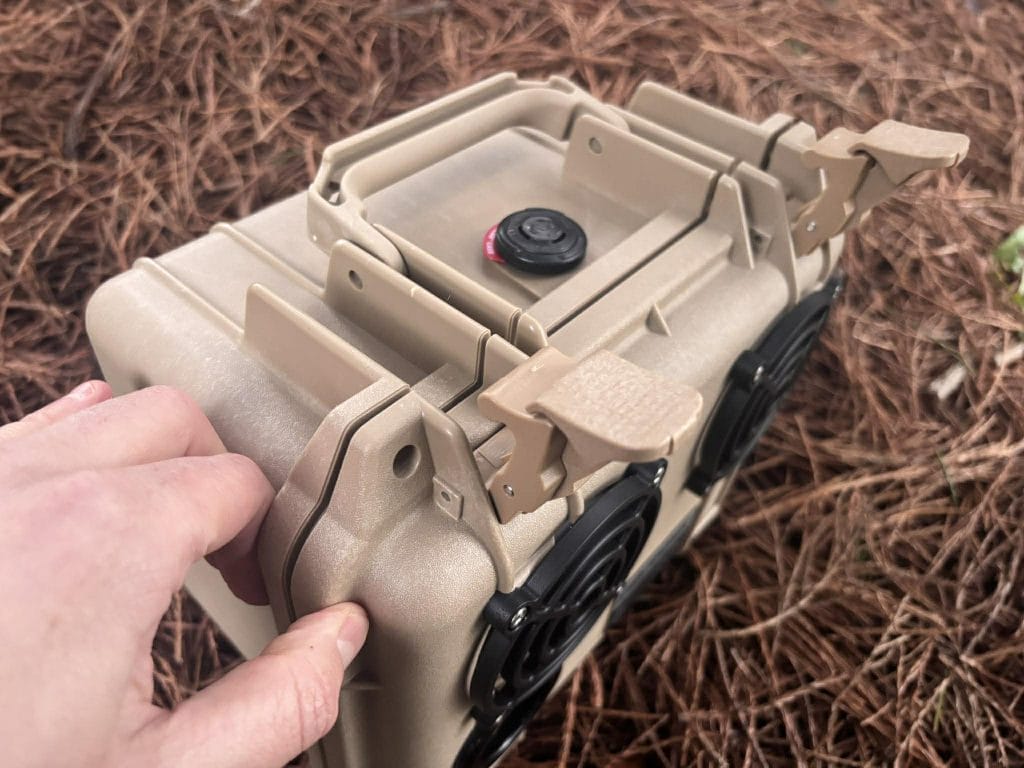
If you want the sealing system to keep doing its job, you need a simple habit. Keep grit off the seal line, and close the lid fully, and do not rush the latch step when you are distracted. A sealed case can keep water out, and it can also trap grit in the wrong spot if you close it sloppily or hastily.
In outdoor use, the little habits are what keep gear working.
Dry storage that helped
Dry storage is a real part of why this speaker exists, and I treated it like a working feature with limits.
The interior space is 9.17 x 6.99 x 6.15 inches, and that gave me enough room for the small essentials that normally end up wet or lost. I stored a phone, keys, a wallet, a headlamp, a lighter, and small cables, and the big benefit was simple. I had one secure place to drop those items, and I stopped spreading them across pockets and bags.
I also treated storage as something that affects the acoustics, because the internal volume and what you place inside affect how the enclosure behaves when it plays. My clear takeaway was that it sounded best when the inside was empty, so I planned around that. If I wanted the best audio result, I cleared the inside.
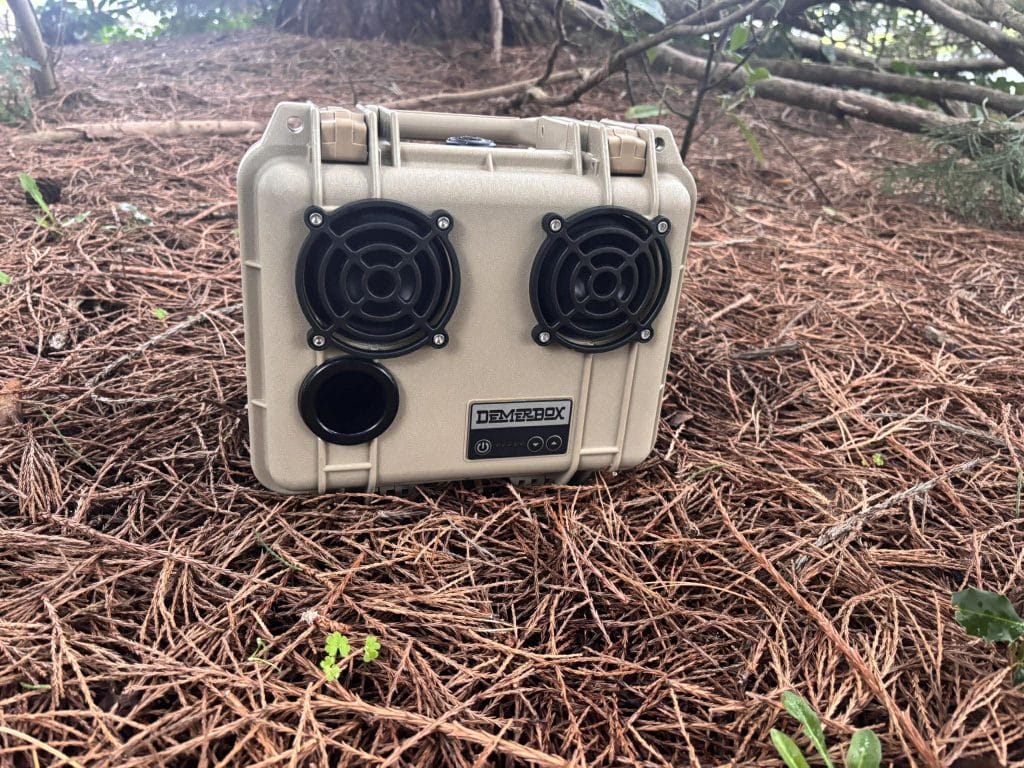
If I needed secure storage, I used it, and I accepted that the output can shift based on what I stored.
I also think the enclosure itself plays a role in low end output.
One user reported that the case acts like a speaker cabinet, and my experience aligns with the idea that the enclosure affects how the low end sounds outdoors. Open air tends to reduce bass impact, so anything that helps keep low frequencies present at distance matters for campsite listening. The DB2 leaned hard into that, and it sounded voiced for outdoor audibility, not neutral playback.
Storage also creates simple safety rules. A sealed case can heat up in direct sun, so I avoided leaving heat-sensitive items inside if the DB2 sat outside for long stretches. I also avoided anything that can leak, because a sealed container keeps water out and it also keeps mess in.
If you treat the storage like a small dry box and keep it clean and dry, it stays useful.
Loudness and tuning
I care about loudness in a practical way outdoors.
I want the speaker to stay clean when people keep turning it up, and I want it to hold together when I walk away from it. This unit uses two 3-inch 8-ohm speakers, and it is rated at 94 dB, so I expected the loudness to come from enclosure efficiency and tuning as much as raw driver size. In use, that expectation held up.
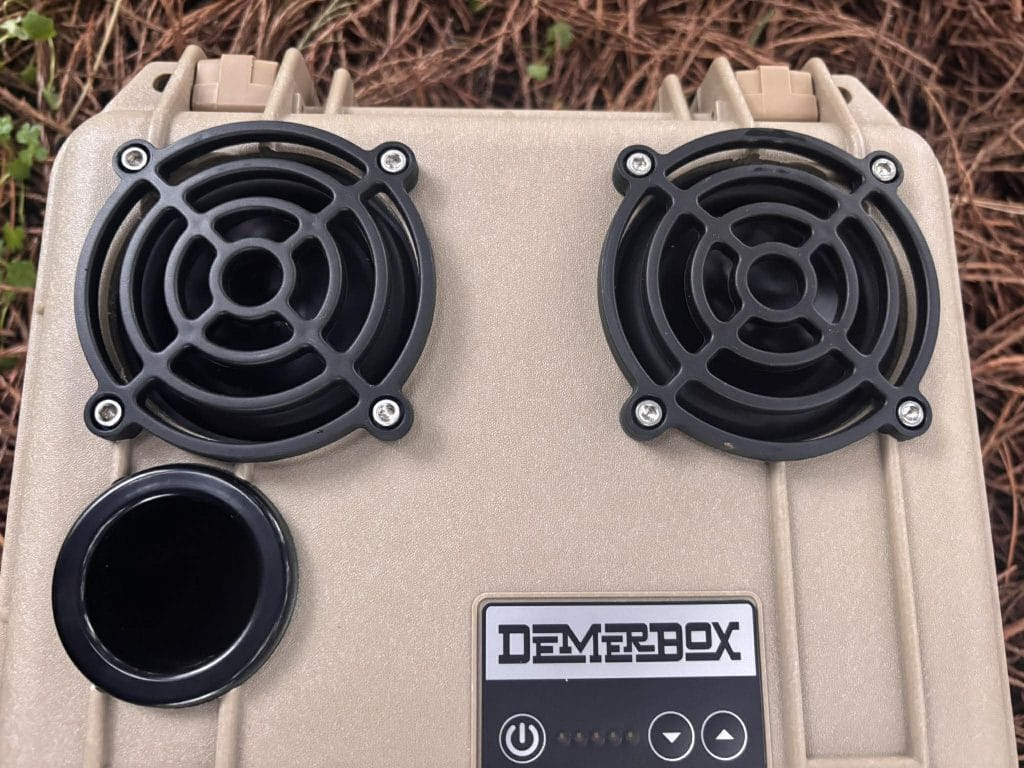
My favorite part of the DB2 was how controlled it stayed at higher volume. I pushed it in real camp situations, and I did not hear obvious distortion when I leaned on it. That matters because outdoor hangouts get loud, and people talk over the music, and the speaker ends up working harder than it would indoors.
Many portable speakers start sounding rough when pushed, and the DB2 stayed knocking in all the best ways.
The tuning leaned toward a bass emphasis, and I saw that reflected in user reports before I used it; my experience in the field matched it. That low-end focus helped it carry outdoors, and it made the music feel full at a distance. I did not treat it as a neutral monitor or use it as a reference for mixing decisions, because the tuning is aimed at outdoor playback.
Stereo width was limited, and that did not surprise me. With a compact dual-driver layout, driver spacing limits imaging, so I did not expect wide separation. In camp life, that limitation did not matter much, because people move around, and you want stable sound across a wide area, and you want the center content to stay clear.
Placement mattered. On a table, it projected cleanly and stayed above ground clutter, and it felt like the best default. On the ground, it still worked, and I had to push volume more to get the same reach.
In a vehicle with a hatch open, it filled the area well, and it stayed consistent as I moved around camp.
Bluetooth range & interference
Bluetooth can be the part that ruins a speaker if it drops constantly, so I treated it as part of the test, though I will be the first to admit that this type of thing usually varies greatly from user to user based on environment and other factors.
I noted range claims of around 100 feet, treated that as best-case under good conditions, and still expected line of sight to matter. Outdoors, bodies, vehicles, and gear piles: in my experience, stability improved with a clearer line of sight and closer device placement, but stability can drop quickly, and crowded radio environments can cause random issues just like every other Bluetooth speaker.
In use, the DB2 behaved best when I kept a clean path between the playback device and the speaker. When my phone stayed near camp, and it stayed in a clear position, the connection felt super stable. When I added more devices to the mix, I noticed the risk of hiccups increased, which matched what I had read in user reports about interference when multiple Bluetooth devices were in the path.
My practical rule was simple.
If I cared about stable playback, I kept the playback phone close to the DB2, and I avoided creating a mess of extra Bluetooth activity in the same area. That routine kept the experience smooth. If someone wants to walk a long distance away from the speaker with the phone in a pocket, I would expect more dropouts, and I would set expectations that line-of-sight matters.
Battery life, USB-C charging, and all that
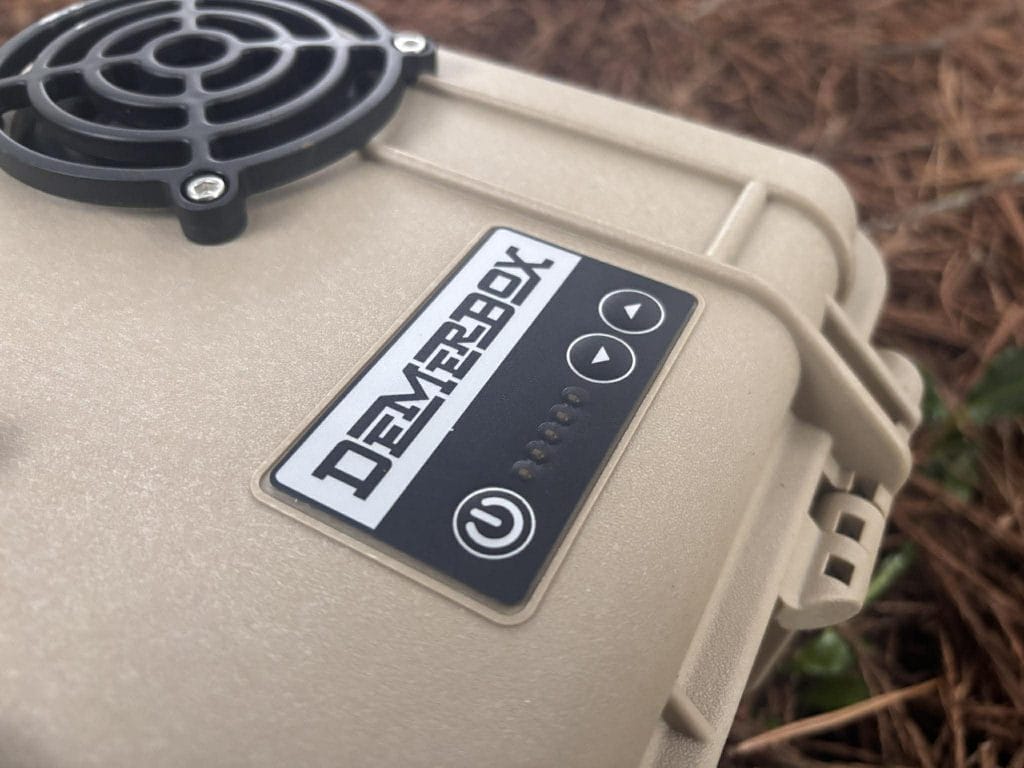
Battery life is a key reason people consider the DB2, and the advertised playtime is 40+ hours.
My thoughts here is that the 40+ hour idea fits speaker-first use at moderate volume, where the unit spends most of its time playing music and not doing extra jobs. Real battery life depends on volume, temperature, and how often you add loads, and the biggest load is charging other devices.
I treated USB device charging as a backup, not a primary value add.
Charging phones and running cables can reduce water protection, and it can cut the runtime hard. I saw a real-world test land around 14 hours total when phone charging was mixed in at higher volume, and I treated that as the warning label for anyone who wants this speaker to act like a power bank all day. In my experience, I kept the device charging short, and I used it as a quick top-off, and I saved the battery for the main job, which was playing music.
USB-C charging on the DB2 models made packing simple, because I already carry USB-C cables, and I only had to add one short durable cable to the camp kit. I also saw charge-time reports ranging from about 4 hours 15 minutes in one technical review to about 5.5 hours in a long-term use report, so I assumed charge time varies based on the charger’s output and the unit’s generation.
In practice, I charged it before the trip and treated it as a home and vehicle task, not something I wanted to do outdoors in wet conditions.
Who is the DemerBox DB2 Really For?
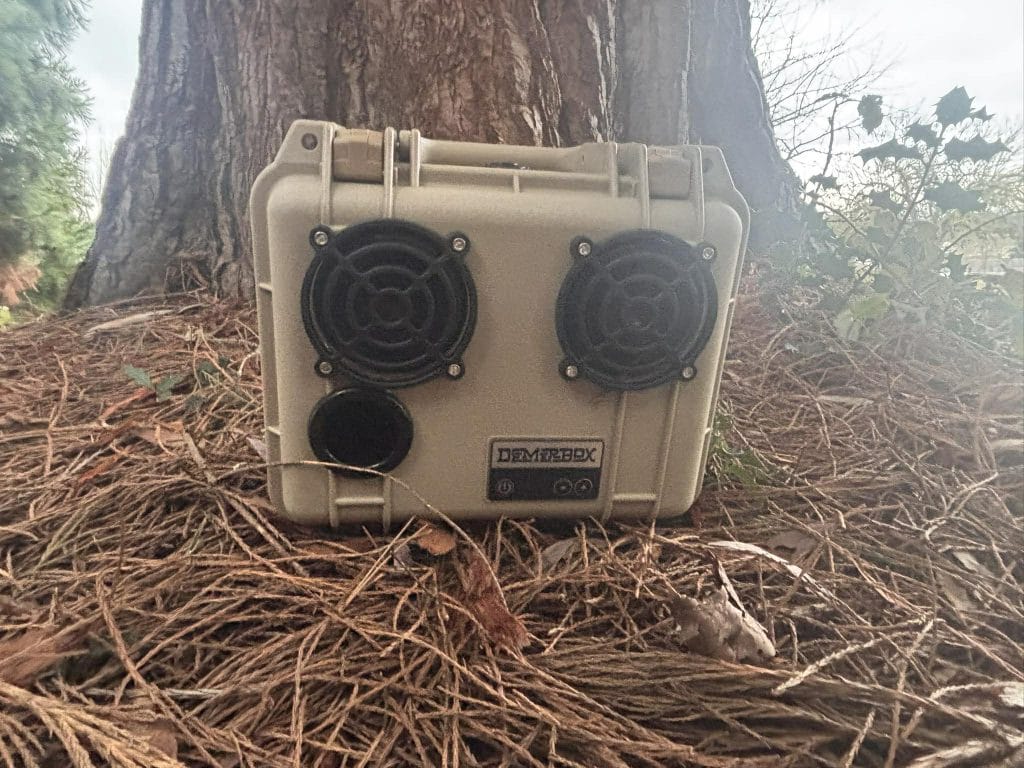
Serviceability mattered to me after reading that internal components are bolted in and described as replaceable. That points toward a longer working life than glued consumer speakers, and that matters a lot at $399. If a speaker costs this much, I want to feel like it can last for years, and that a failure doesn’t mean a full replacement.
“Built in the USA” also shaped my expectations, now more than ever.
I treated it as part of the pricing story, and I treated it as part of repair support expectations, because local build and support often connect to parts access and long-term ownership. I also noticed the color options and specialty finishes, and I treated them as cosmetic choices that add cost without affecting performance.
My price factor stayed simple.
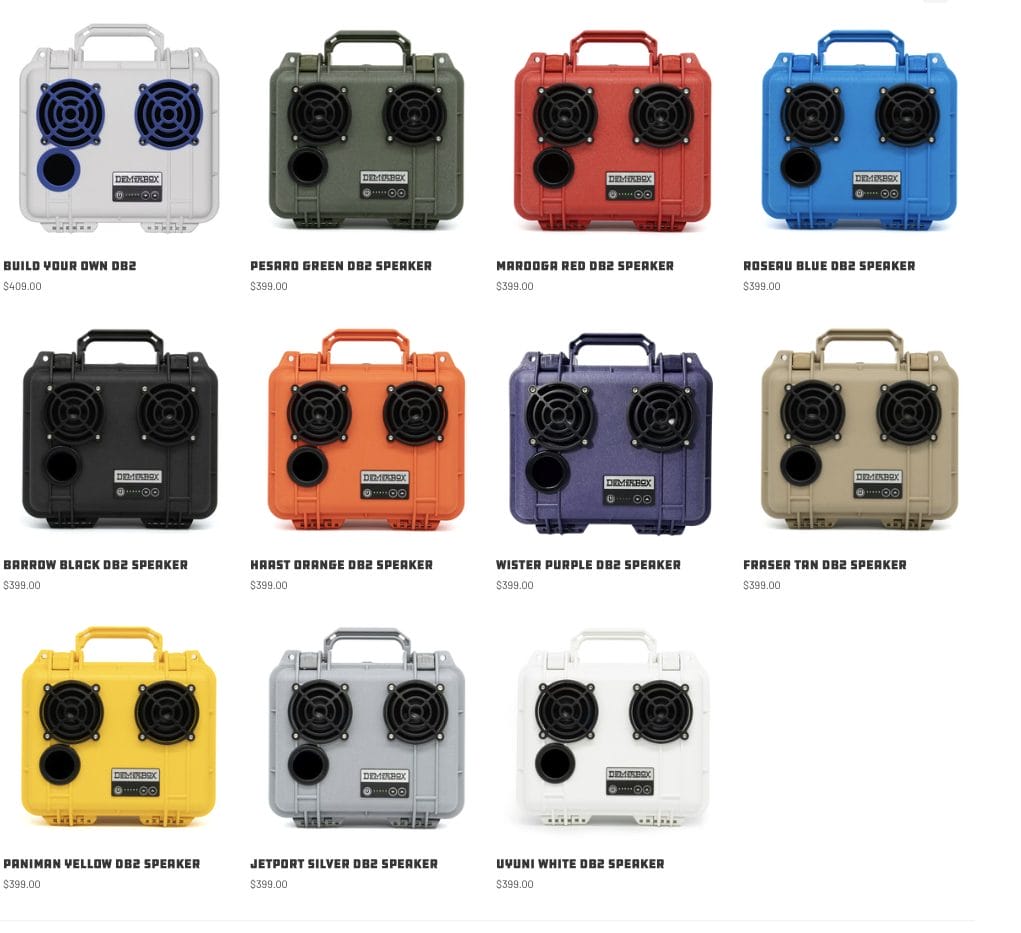
The DB2 makes sense when you value survivability, long runtime in speaker-first use, and water-safe storage in one unit, and you plan to use it in places where normal speakers fail. The DB2 makes less sense when your main goal is the best audio per dollar, because you are paying for a sealed hard-case platform, the storage utility, and a design aimed at outdoor use.
If your trips involve car camping, boats, lakes, job sites, and tailgates, and you want one unit that can withstand water, dust, and rough handling while keeping essentials dry, this is the type of speaker for you. If your trips are long hikes and you want something light and small, the weight and the box footprint will push you toward a different category fast.
The post DemerBox DB2 Review: Is It Worth $399 for Camp Trips and Boat Days? appeared first on Magnetic Magazine.