


Above Image Cred: Rob Low
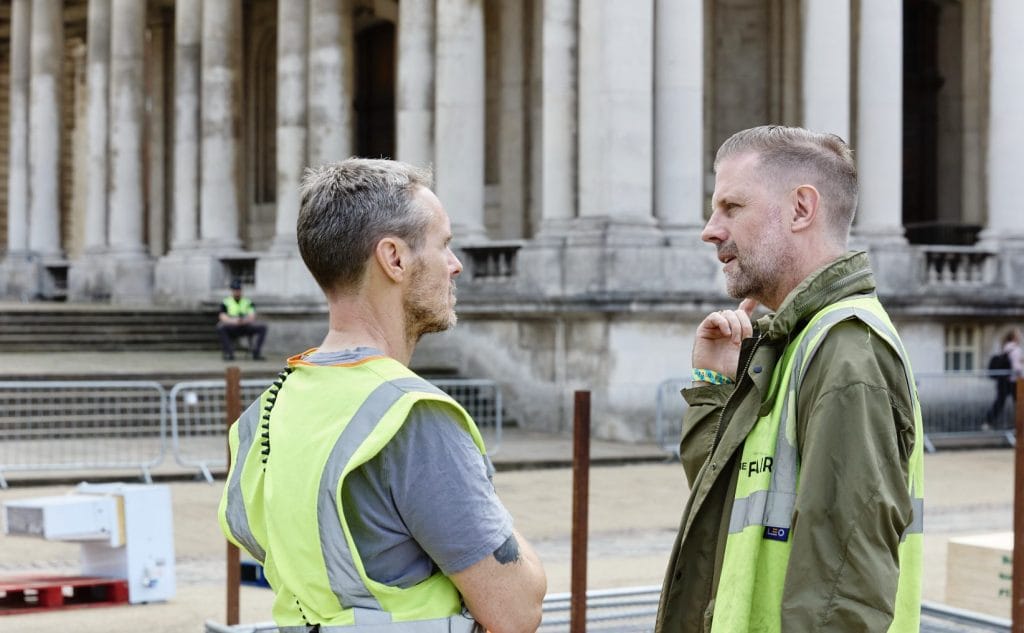
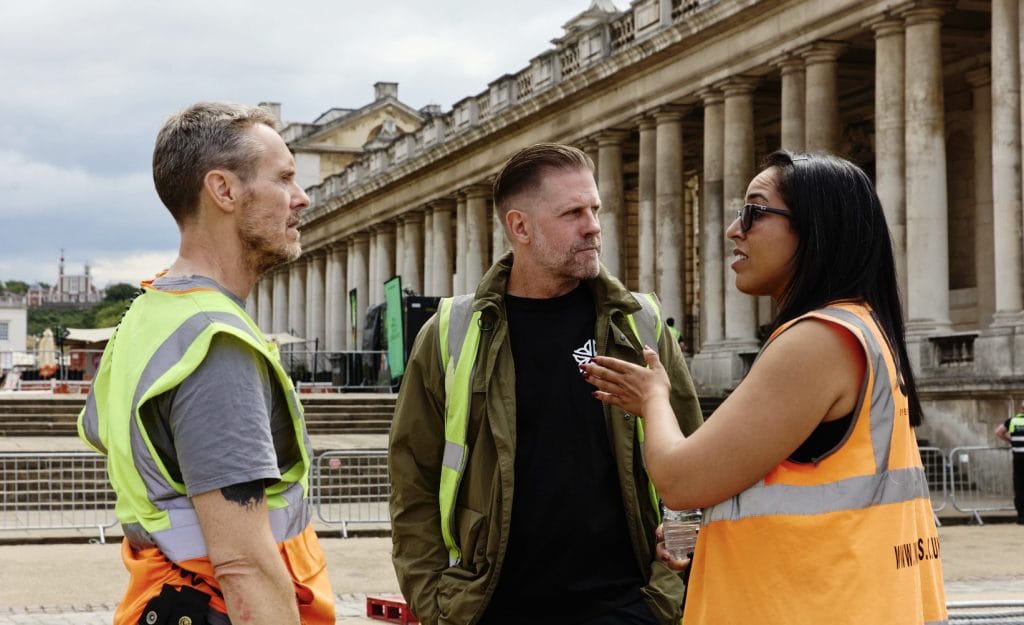
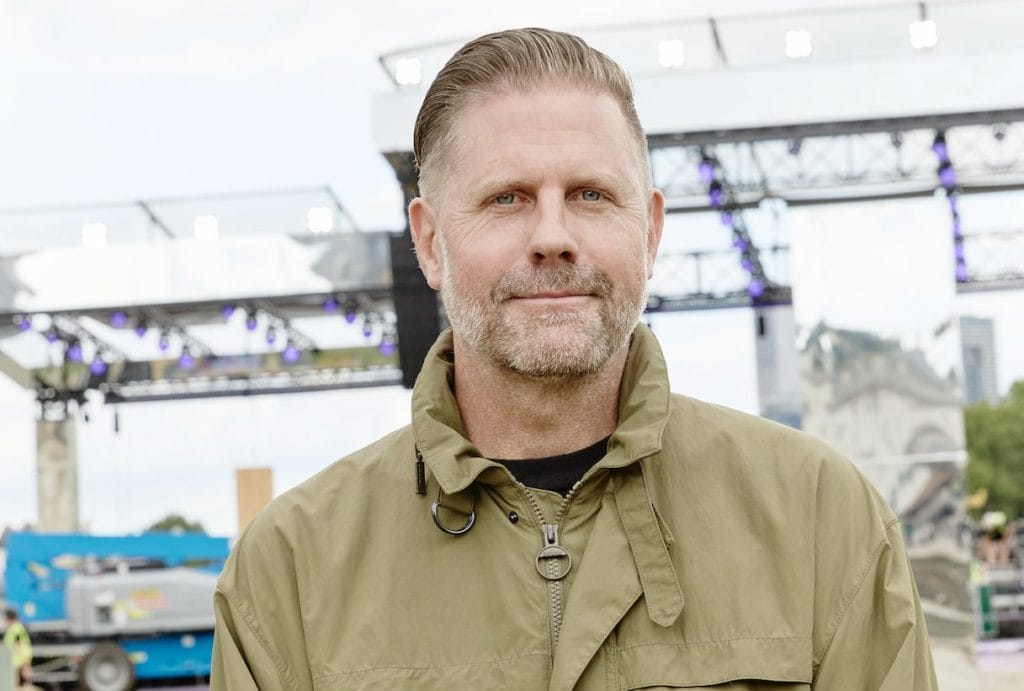
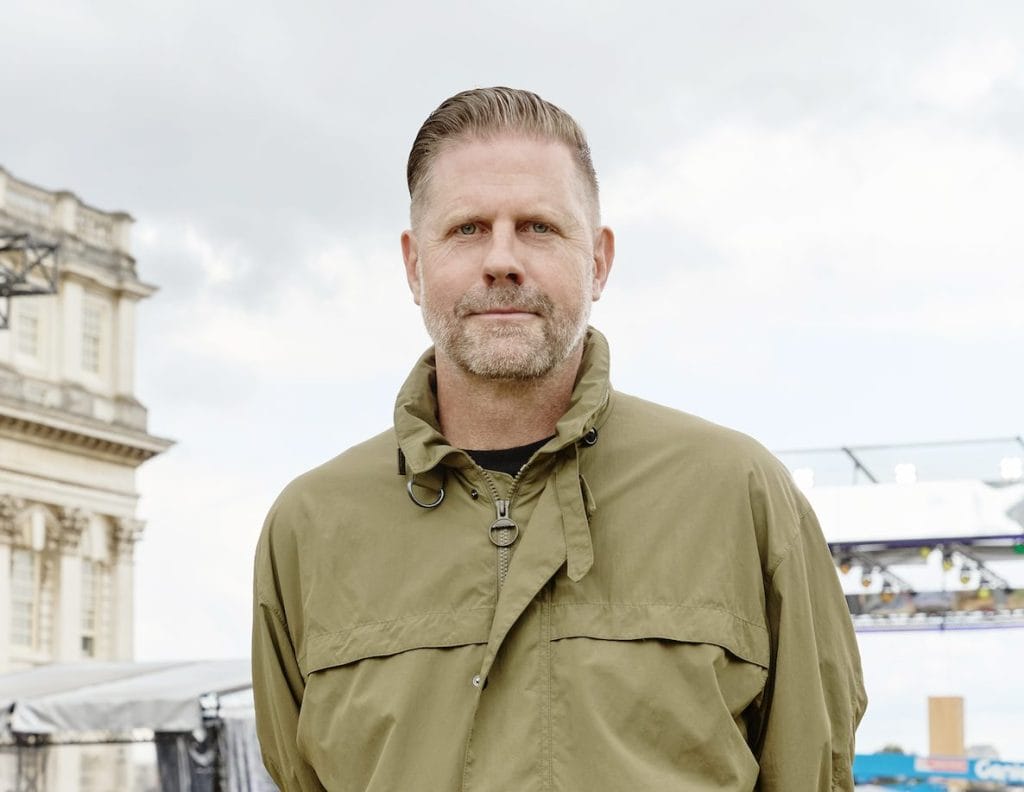
Brand-owned festivals are no longer side activations or logo placements on main stages. According to Nick Morgan, CEO of We Group (pictured above and throughout), brands are actively moving away from passive sponsorship models and toward full ownership of live experiences. The shift is especially visible in fashion and retail, where declining physical touchpoints have forced brands to rethink how they reconnect with audiences in meaningful ways.
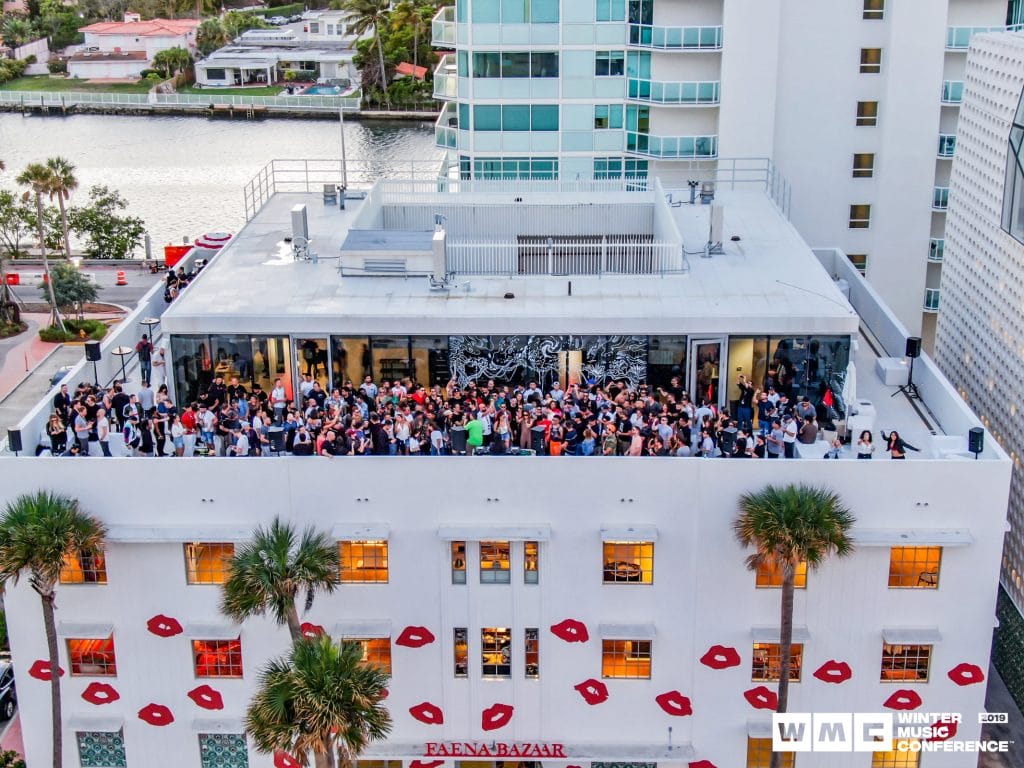
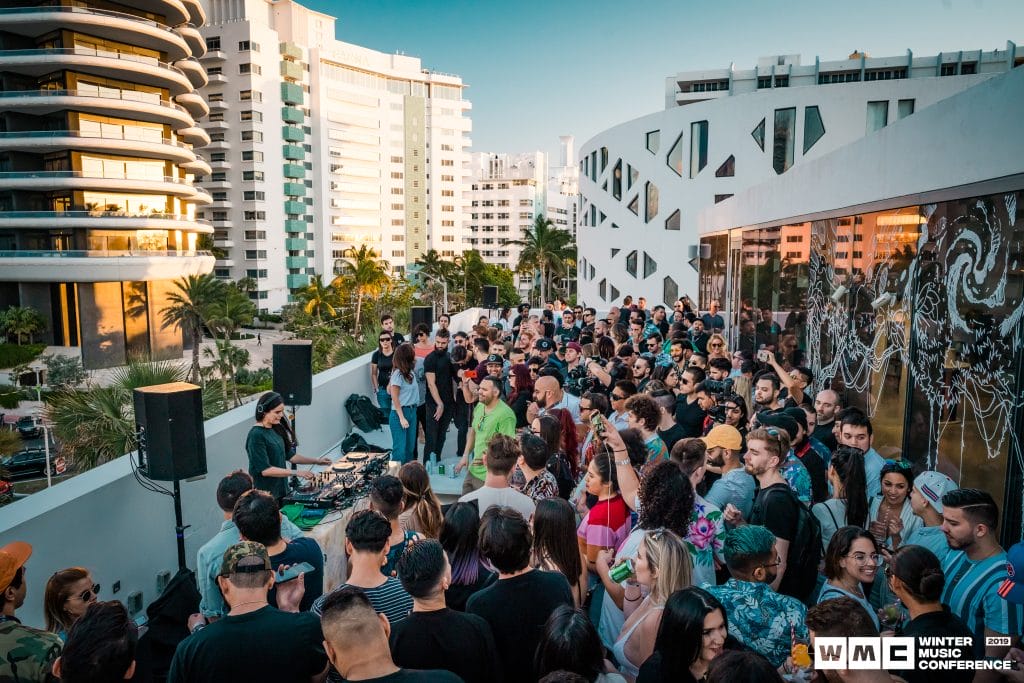
In this conversation, Morgan breaks down what is driving the rise of brand-led festivals, how CMOs and CFOs are reshaping live strategy inside corporations, and why live IP is becoming a potential profit centre rather than a cost line in marketing budgets. He also addresses the risks: market saturation, inflated artist fees, and poorly executed activations that dilute credibility, which are all on his mind throughout the lead-up to 2026’s Winter Music Conference.
For independent promoters and artists, the next five years will hinge on collaboration, curation, and alignment. Brands may bring resources, but promoters bring credibility and infrastructure. And for DJs and producers, the expansion of branded live experiences opens new revenue paths beyond headline slots – from curated stages to immersive scoring and long-term partnerships.
Interview With Nick Morgan (CEO Of We Group London)
So, what trends have you observed in the rise of brand led festivals?
Many brands are keen to develop their own festivals. Brands are now seeking to shift from passive sponsorship to active ownership, becoming hosts of their own festivals and live experiences.
This is apparent particularly in the fashion and retail space. It’s these brands particularly that are losing human touch points because of the declining high street, so they’re keen to re-engage with their customer base.
The way to do that – and I’m championing it, obviously, is around that live experience. The digital experience is s**t and people are desperate to reconnect. Many brands see that. This is the year for brands in the live events space.
Three-Quarters of people say they are bored and want something that makes them feel alive. Live events are the answer to that (after all, 70% of music fans would rather attend a gig than have sex) and that in itself is a huge opportunity.
So, who stands to gain the most?
The brands will of course see the benefit. Owning the IP, gaining direct contact with customers and building authenticity.
If these brands really go into the live market, then it could affect other promoters. I think we’re going to see a shift with talent creating their own shows, which obviously could affect promoters in the long term. A few agents have been tentatively talking about this. There’s quite a lot of saturation, so it needs to be really carefully curated.
But it could also be an opportunity: brands can work with promoters collaboratively and take on their own brand space within existing festivals.
It needs to be better than the current model. It needs to be curated, and the brand needs to be aligned with the values of the festival.
Promoters have A) the credibility and B) the marketing assets and channels.
How are artists navigating the expectations of branded events compared to traditional promoter-led shows?
It comes down to fee, doesn’t it? I mean, the artist will really benefit. You see it now. DJs are ambassadors for all sorts – David Guetta, Peggy Gou.
There is a danger that, artists want more money because they’re advocating a brand – but events are still extremely expensive to produce in this climate.
If the artist is overcharging, even the brands won’t be able to make it work, which – if it’s a free event – comes out for marketing spend.
Obviously there are opportunities for money to be made, it just needs to be coupled with realism.
So who inside a brand usually drives these festival initiatives, and how does their background influence the programming choices?
That is a tricky question, because it can be quite personal. It would often come under their remit of CMOs, who decide on a strategy and how that was then implemented.
I do believe a wider group should involved in – through tastemaker groups, for example – and working with credible producers, curators, promoters, artists and communities to shape the narrative. And obviously speak to the consumer. Be driven by them. Loads of brands are really good at this, they have forums.
I have seen it become ageist, so it needs to be a wider remit across the business. And it needs wider stakeholder buy in from all the business, including, very importantly, the CFO. They will not spend a load of money on shows, but they can make them cross neutral. That is the opportunity. Normal, traditional marketing – whether it be below or above the line – is spend, and the return is obviously sales, whereas the marketing in its own silo, like Adobe in the B2B world, is a cost neutral. In fact, it’s a profit centre for Adobe. Now they make money on that show.
So, this is the opportunity for brands, if they were going to commercialise it, you know, they could actually make money and have marketing IP that is credible.
So what do you think the next five years look like for independent promoters, as brands continue to expand deeper into the festival space, what do the next five years look like for independent promoters?
There are a lot of opportunities for brands and promoters. But brands will only really succeed in the professional industry if they collaborate with independent producers.
You see an experiential agency giving out samples at the station. Just burn the money. Burn it.
I do think the market is at saturation; we don’t need more shows. So I think, personally, it’d be better to bolster existing festivals, but build out brand opportunities. Go beyond experiential.
To build a whole show as one brand, that’s a lot of big undertaking, but to take one stage and do it really well, or a curated experience, could have great impact.
Get people from this industry to build that experience on your behalf and ideate it, you know, that will get real consumer buy in. Trying to do this on your own can be challenging. Brands that do well curated and thought-out experiences for less than 5000 can make a real impact.
The younger generation challenge the ethics, the values of brands, so authenticity and alignment is really important.
Okay, final question. What opportunities open up for DJs and producers when brands step into the live space with strong markets and resources. You did touch on it earlier?
Well, obviously there’s opportunity, it’s another market to play. Every experience generally has some music element, even if it’s food or if it’s art, you know. So, it doesn’t have to be the high-profile main stage, but it will have a music stream of some form.
There’s loads of opportunities, like curating the music, film scoring, bespoke scoring for immersive experiences to align with brands.
Electronic music is currently worth about 10 billion globally, and is expected to double in the next 10 years. That is opportunity.
The post Brand-Owned Festivals Are Rising – Nick Morgan Explains the Industry Shift appeared first on Magnetic Magazine.