



Table of Contents
When I started riding the Aventon Level 3, I wanted to check it out the same way I would any commuter tool I plan to depend on. I looked for predictable power in stop-and-go riding, comfort that holds up on broken pavement, braking that stays composed at commuter speeds, and security features that still matter after I lock the bike up and walk away.
I also paid attention to long-term friction, because the day-one experience is one thing, and the day-thirty experience is when a commuter purchase either stays easy or starts feeling annoying in small ways.
The Level 3 landed in a practical middle ground for me. It came with the commuter equipment I actually wanted installed, it had a motor and sensor setup that supported controlled starts, and it had a connected security stack that made sense for city parking. It also had a few areas where I slowed down, checked the exact configuration on the unit in front of me, and made sure the details matched the way I ride.
What It Is & Who It’s For
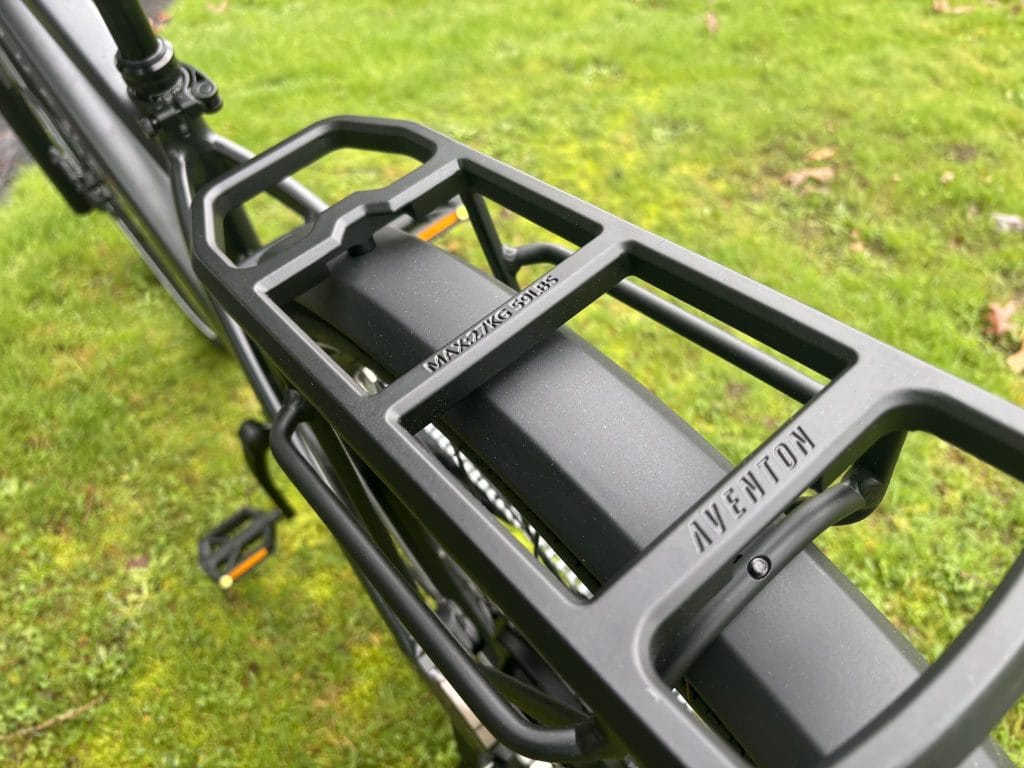
I approached the Level 3 as a commuter-first e-bike, and the core numbers supported that use case. The bike weighs 67 lb, the total weight limit is 300 lb, and the rear rack is rated for 60 lb. Those three specs shape ownership in a real way.
The rack rating sets expectations for panniers and cargo loads, the total limit matters for riders who carry gear daily, and the bike weight becomes the biggest variable the moment stairs enter the picture. Rolling the bike around at ground level felt fine, and carrying it is where you feel the 67 lb.
For context, I’m 35 and in good shape, so it did not feel like a problem for me, and I can still see it feeling bulky for plenty of riders depending on storage and daily routine.
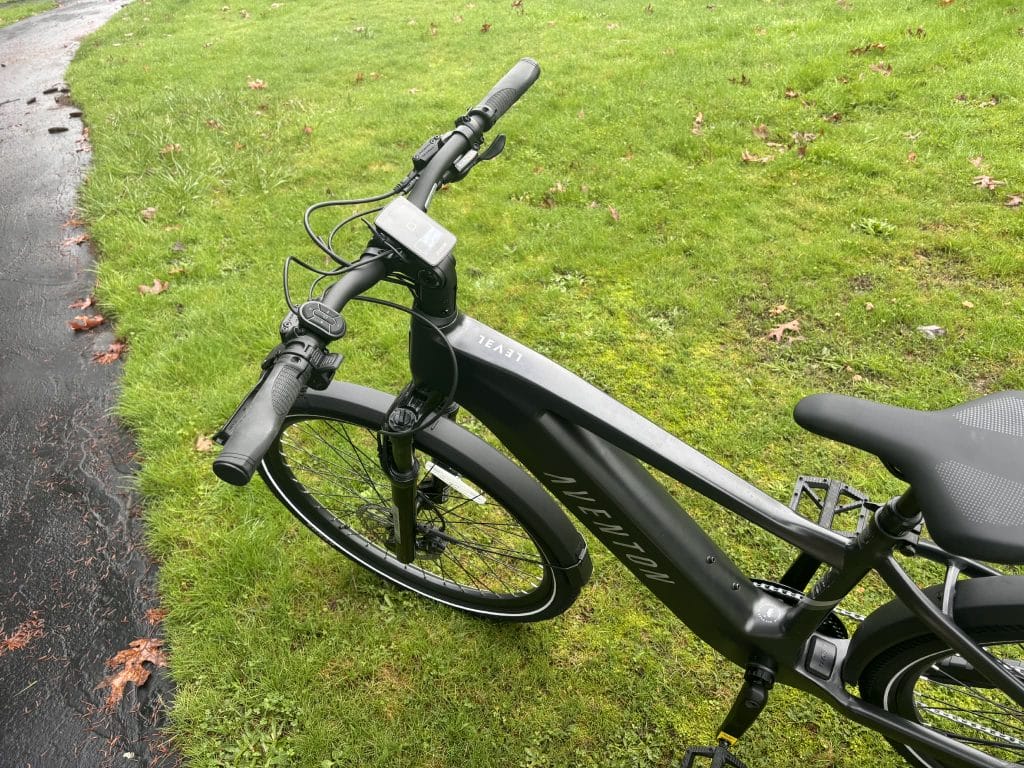
Fit and sizing were straightforward, and the range here covered a lot of riders without turning the lineup into a confusing mess. Rider height coverage runs from 5’3″ to 6’4″, and sizing is split into Regular and Large with overlap around 5’10”. I also liked having step-over and step-through frame options, because commuter riding involves frequent starts, stops, and awkward parking situations, and frame style can change how easy it is to live with the bike.
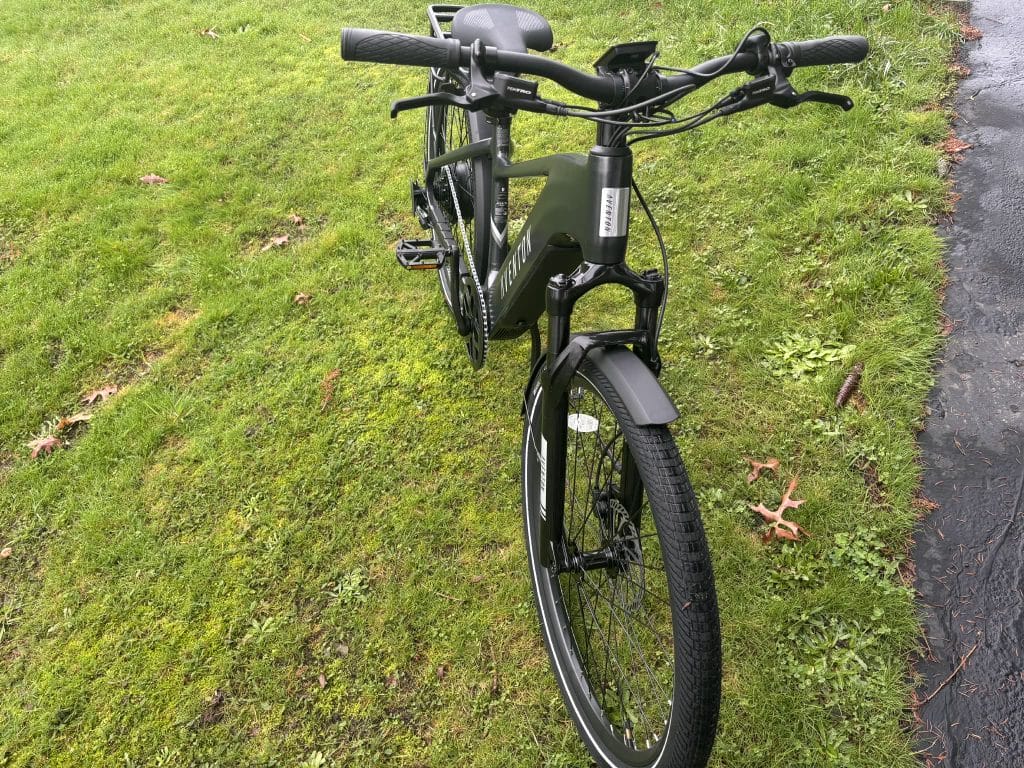
The riding position leaned sportier and more forward than I expected from a commuter frame, and I did not see that as a deal-breaker because the adjustable stem gave me enough range to dial in posture.
When I set the stem for a more upright posture, the bike felt easier to manage in traffic, and I felt more comfortable on longer rides where wrist pressure would normally start to show up.
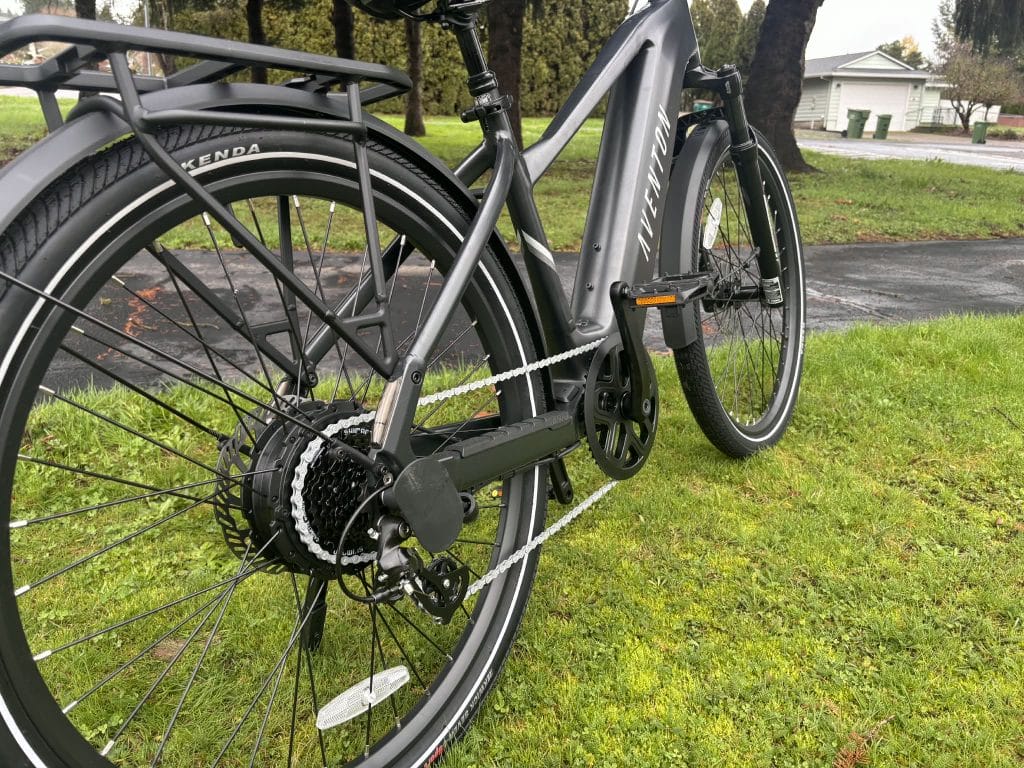
On classification, the bike ships as a Class 2 with throttle and pedal assist, and it can be unlocked to a Class 3 for higher pedal-assist speed.
That matters because speed limits and route rules change depending on where you ride. I also appreciated that the bike can run with the throttle unplugged and removed, because some paths and municipalities treat throttle-equipped e-bikes differently.
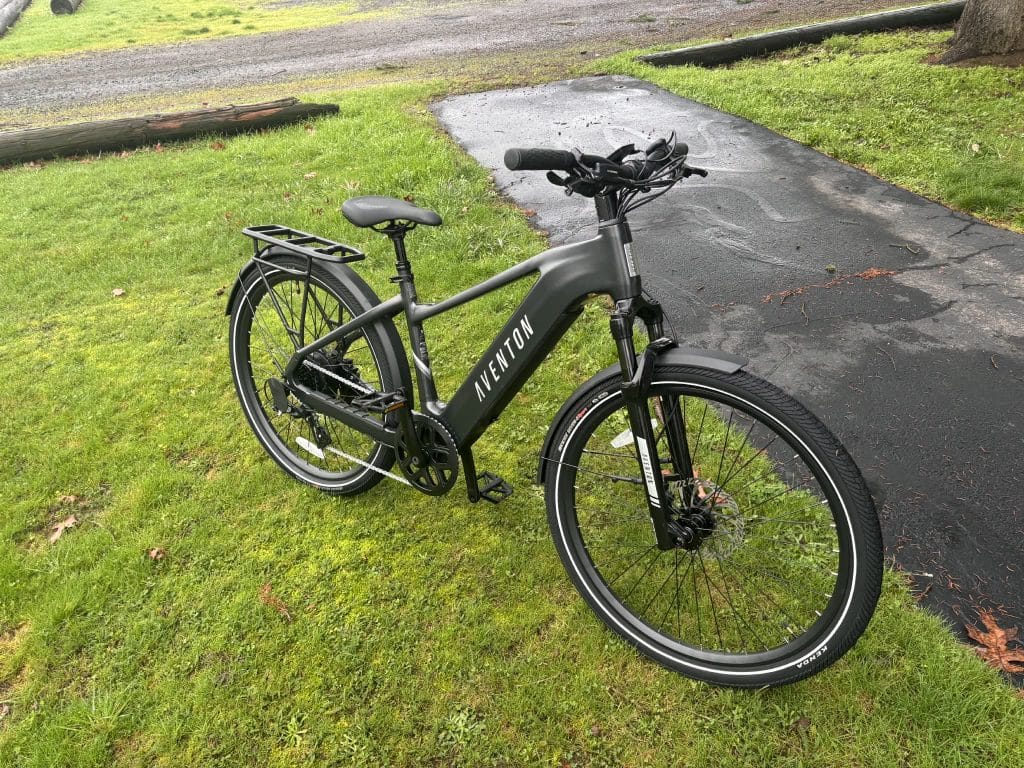
Weather use was another category where I wanted clarity.
The bike is built to an IPX5 water-resistance standard, so I felt comfortable riding in light to moderate rain and through the shallow puddles we get in Oregon, and I treated cleaning as a separate decision where low-pressure rinsing and careful wiping made sense. I avoided high-pressure spray around electrical components, and I took the rubber covers and seals seriously because that is how commuter hardware stays reliable over time.
Motor & Sensors
The Level 3 uses a 36V hub motor rated at 500W continuous and 864W peak, with a torque rating of 60 Nm.
That is a solid commuter output range, and what mattered most to me was delivery. I care about how a bike behaves in the first pedal stroke at a stoplight, how it responds when I modulate speed around pedestrians, and how controlled it feels when I need to merge into traffic.
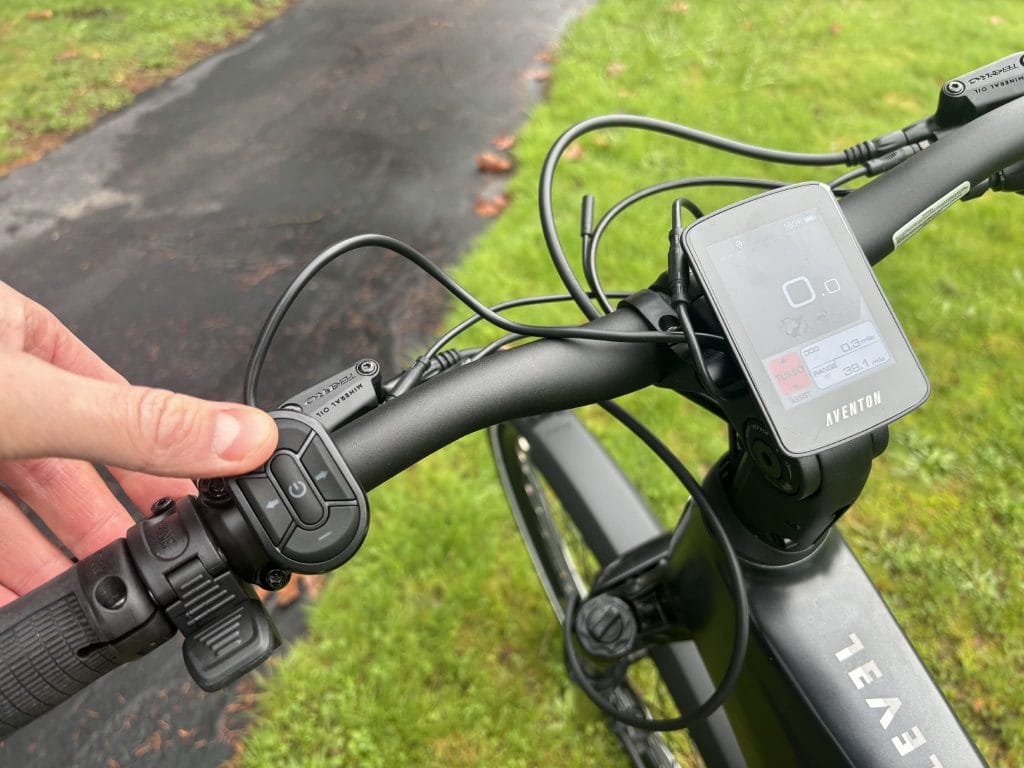
The torque sensor was a core reason the bike felt efficient in stop-and-go riding. I found the torque response smooth, and the bike tracked my pedal input in a way that made starts feel consistent, which reduced the mental load of riding in traffic. I did not feel like I had to fight the bike to keep it calm at low speed.
Pedal assist is organized into three levels, and Ride Tune lets you customize three specific things inside each mode: max torque, overall assistance, and pedal response.
I used Ride Tune to set one mode for smoother starts, another for efficient cruising, and the top mode for hills and faster traffic, then I saved those settings back to the bike.
That approach made the Level 3 feel tailored to my routine rather than forcing me to adapt to a factory default.
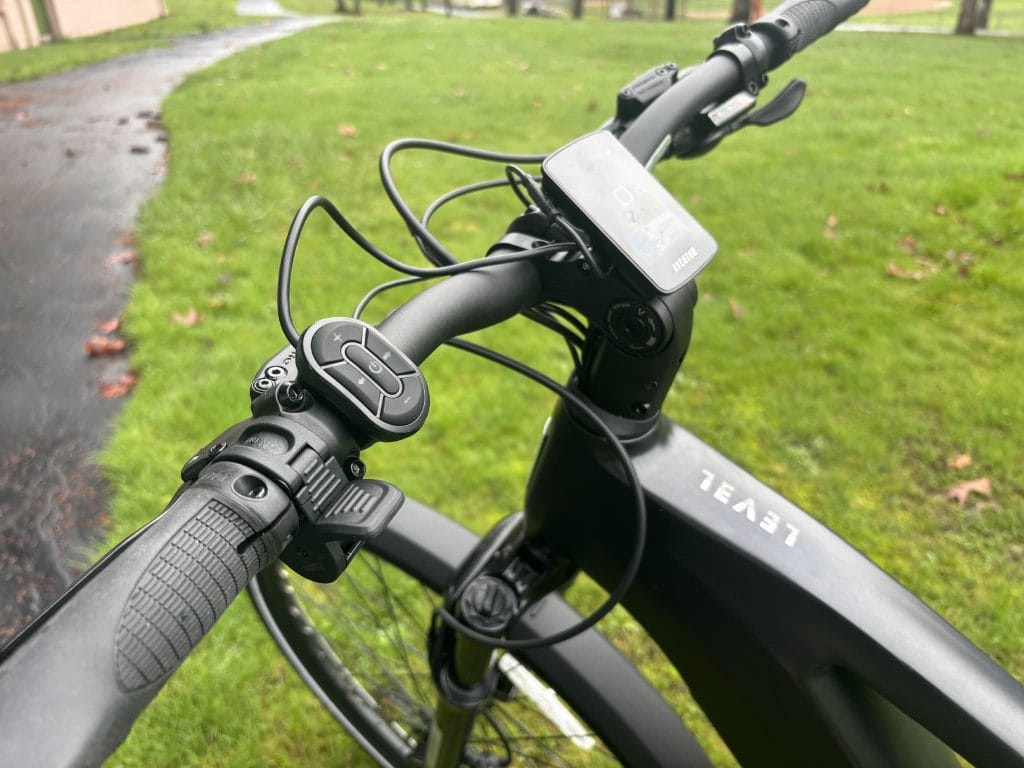
The throttle behavior was another area where I cared about control, since I have ridden other bikes that feel like they want to jump forward the second you touch the throttle.
The handlebar-mounted throttle felt gradual and predictable, which worked well for crowded paths and for riders who are still getting comfortable with assist.
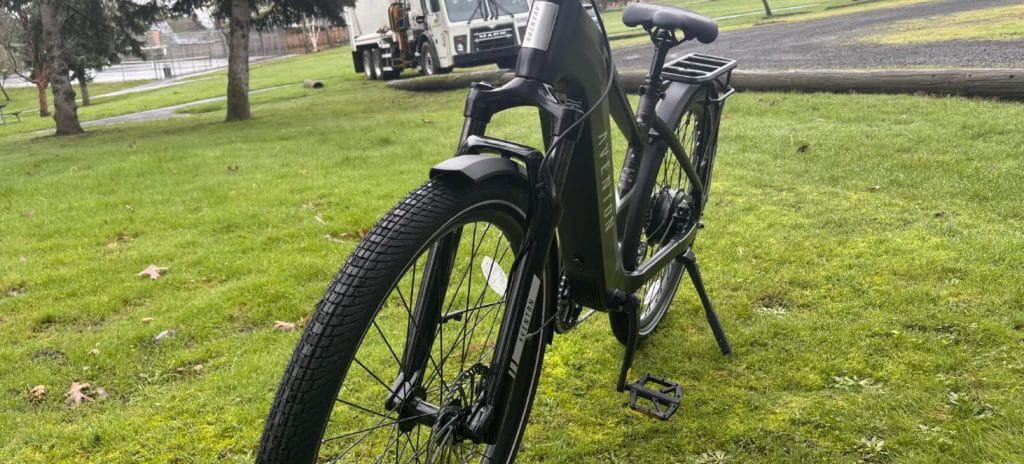
I also kept my expectations realistic on steep hills. Throttle-only climbing has limits on any hub-drive commuter setup, so I treated pedaling input as part of the plan any time the grade stayed steep for more than a short pitch. When I rode it that way, the bike made sense, and the power felt supportive rather than abrupt.
Boost Mode was useful for specific moments, and it was not something I needed constantly. It provides up to 120% of the listed torque and peak power for up to 30 seconds. I used it for short, steep pitches and quick merges, and I kept the time limit in mind.
Hold Mode was another feature that felt designed around real commuting. It prevents rollback on an incline for up to 30 seconds after releasing the walk mode button. Hill starts can get awkward fast when you are loaded up, and Hold Mode reduced that stress because the bike stayed planted long enough for me to reset footing and restart cleanly.
Battery & Range Behavior
The battery system is one of the strongest parts of the Level 3’s commuter package.
The bike uses a removable internal lithium-ion battery rated at 36V, 20Ah, and 733Wh, with LG 21700 cells. Battery weight is listed at 8.7 lb, and that made removal and indoor charging feel realistic. I liked having the option to charge indoors because it fits apartment living and shared garages, and it reduces the temptation to run questionable extension-cord setups.
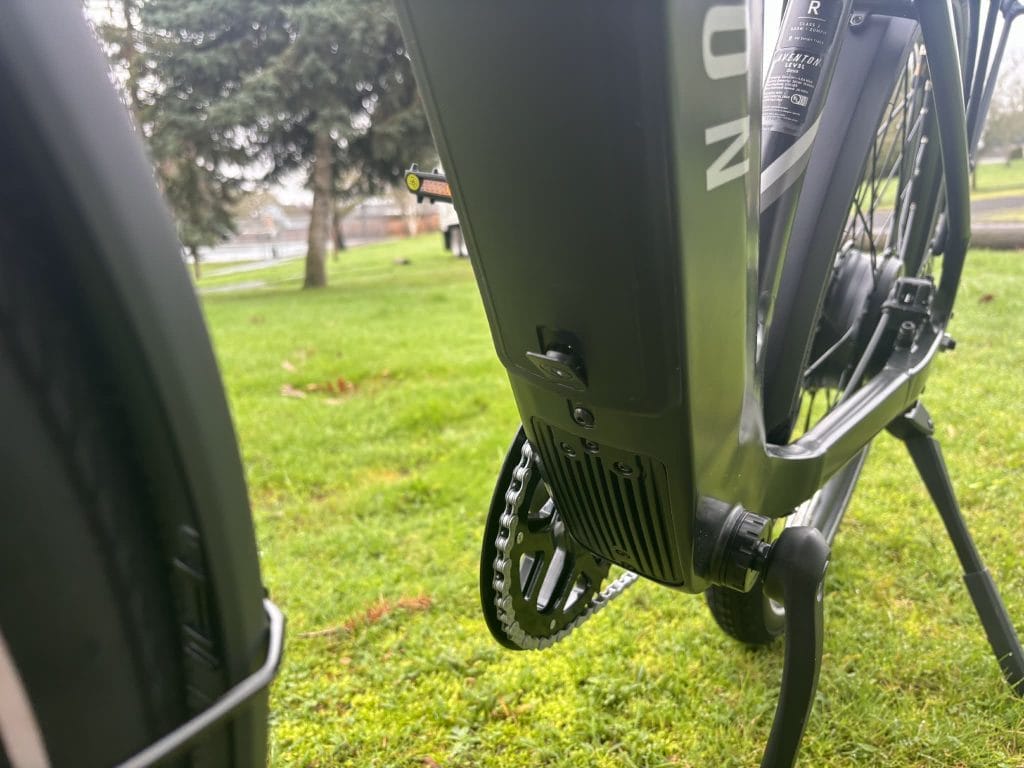
Charging felt practical for what this bike is designed to do. The charger outputs 42V at 4A, and a full charge cycle generally sat in the 5 to 6 hour range. In real life, I found it worked best as a top-off routine after rides rather than an empty-to-full ritual, and that routine still left enough flexibility to charge during a workday or overnight without turning it into a planning problem.
Range is always dependent on how you ride, and I treated it that way in my own planning. When I stayed in lower assist and rode with a steady cadence, battery draw stayed controlled and longer ride days felt realistic. When I leaned on higher assist and rode faster with more frequent accelerations, I planned around a shorter window.
That approach kept my expectations aligned with the way commuter riding actually works.
I also liked that the display can show the estimated remaining range tied to the selected assist level. The display is the Aventon BC280, and the range estimate felt useful because it encouraged mode-based planning. When I could see the estimate change with assist level, it became easier to choose a mode based on the rest of the ride rather than guessing from a percentage.
One ownership detail I found genuinely convenient was the battery lock workflow. Battery access is controlled through the bike’s controls and the app, and I saw that as day-to-day convenience paired with added theft friction. Battery theft is common in many cities, and anything that adds steps and time tends to help.
Comfort & Handling
On ride comfort, the Level 3 felt tuned for city surfaces rather than clean pavement. The frame is 6061 aluminum with a gravity cast front triangle, and suspension support comes from an 80mm fork with lockout and a suspension seatpost with 50mm of travel. I found the suspension seatpost did a lot of work on broken pavement and patchy roads, and it made the bike easier to live with on the stretches of road that normally punish you over time.
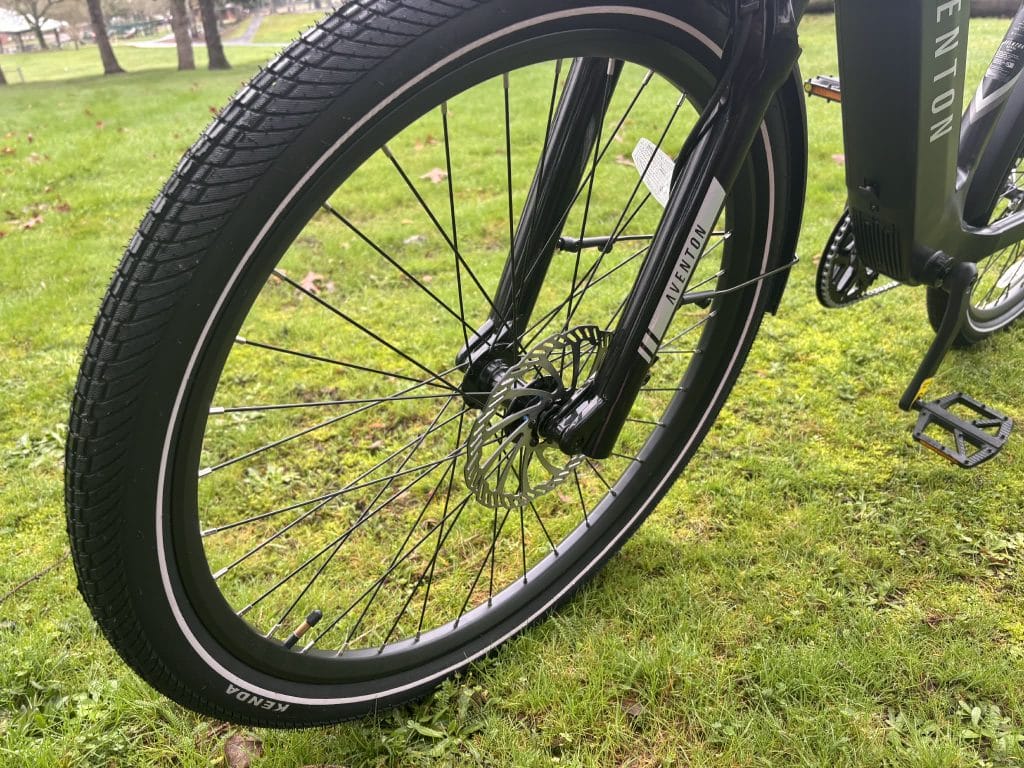
Handling felt stable and maneuverable in the way commuter riders need. Wheel size is 27.5 inches, and the tires are Kenda Kwick Seven-5 Sport in 27.5 x 2.20. I found that size worked well for maintaining efficiency while still giving enough volume for stability. I also appreciated the reflective sidewalls, because visibility is additive in traffic, and sidewall reflection helps from angles you do not always think about until you are riding near cross traffic.
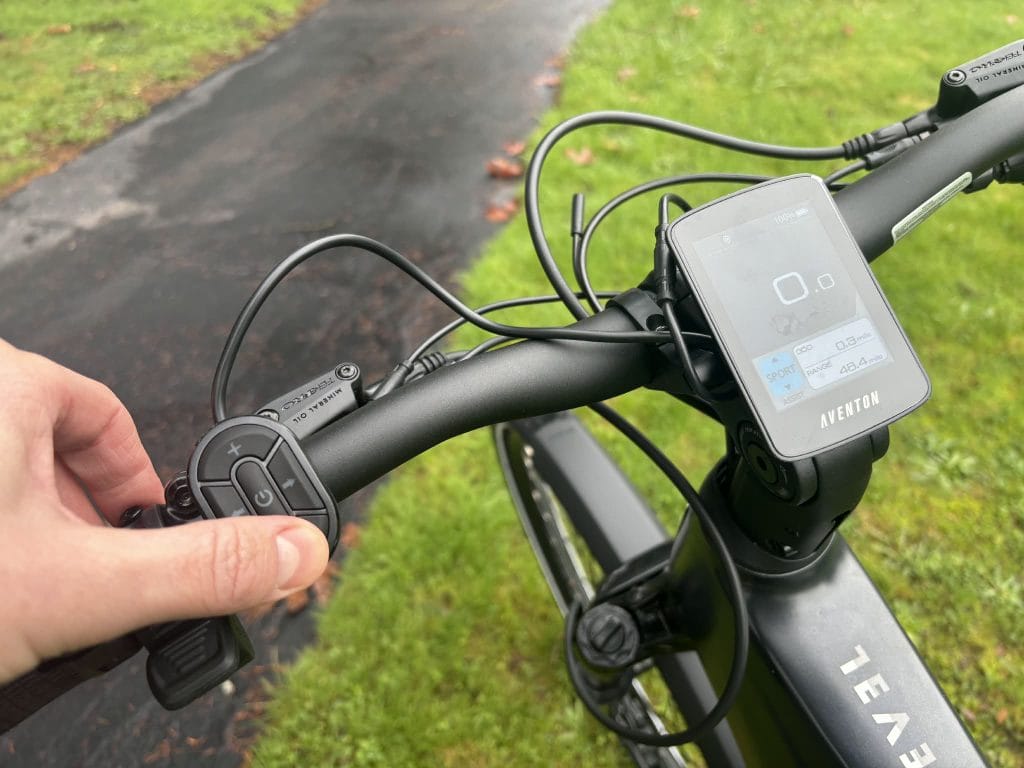
Lighting and turn signals mattered for how confident I felt around cars. The bike has integrated front and rear lights, and it includes turn signals. I liked the visibility from behind, and on my bike the signals canceled after about 15 seconds, which was a practical touch because forgetting to cancel signals is a real thing in daily riding.
Braking is where I slowed down and paid close attention to the exact setup on the bike in front of me.
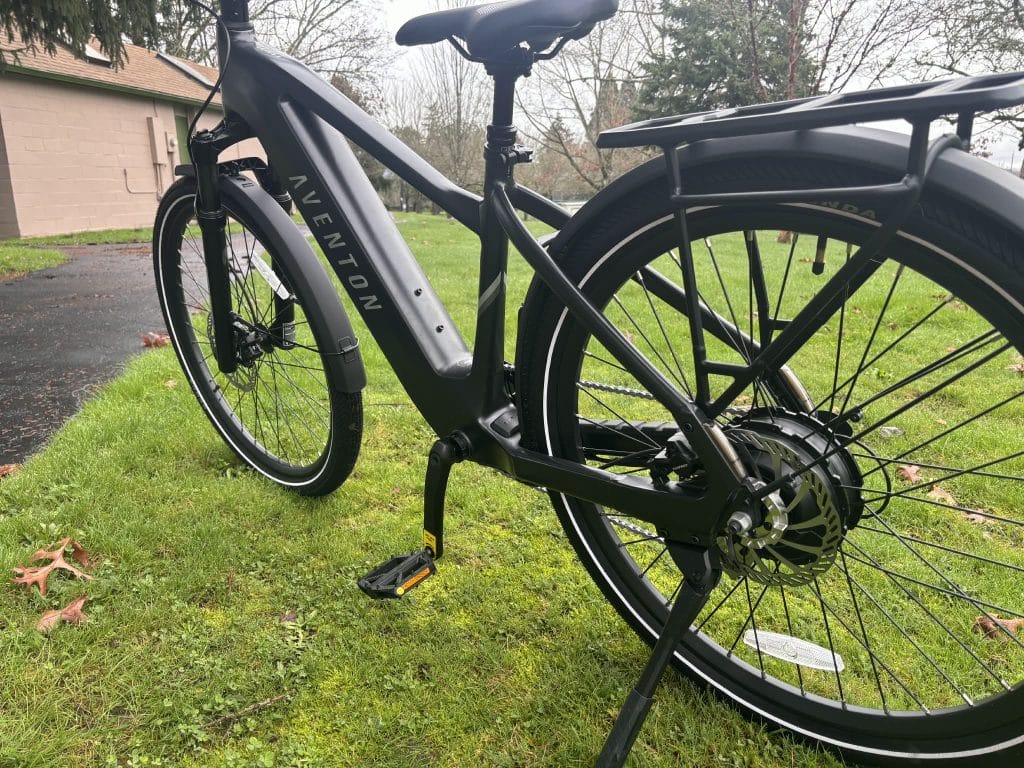
This model can ship with Magura AT-2 hydraulic disc brakes or Tektro HD-E3520 hydraulic disc brakes, and rotor size is 180mm front and rear. On the unit I rode, braking power felt strong once the brakes were engaged, and lever pull felt longer than I expected at first. I adjusted to it quickly, and I still think it is worth calling out because lever feel affects early confidence and modulation.
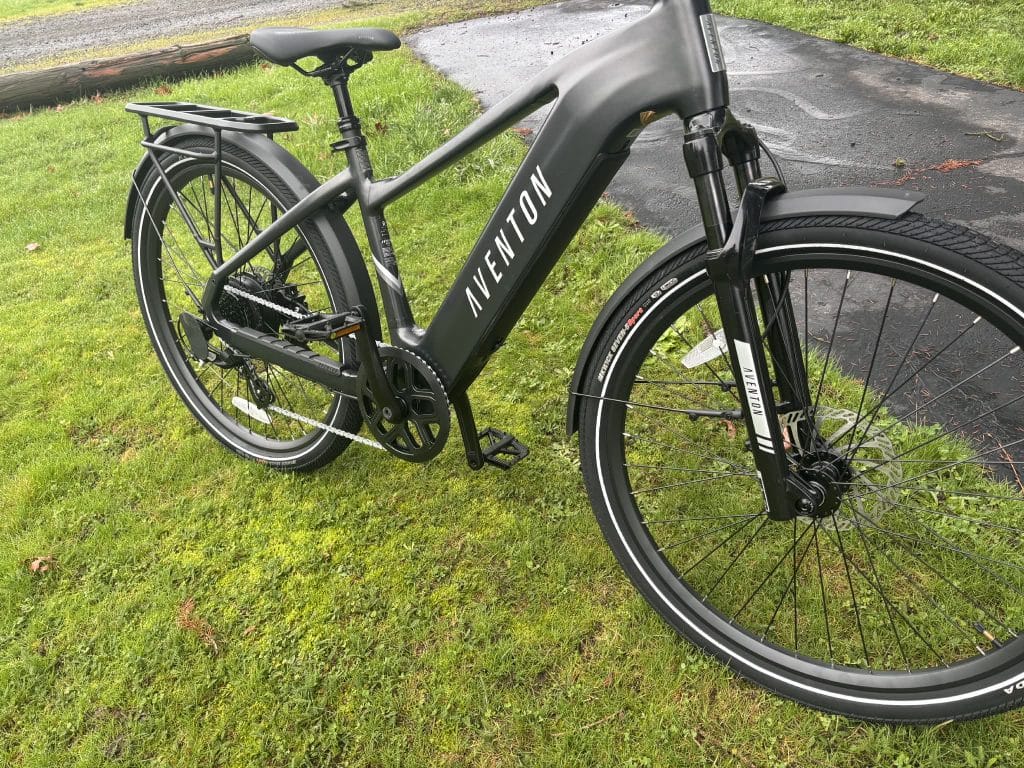
Brake light function was another detail I treated as a check before I would fully commit, especially for riders who spend a lot of time mixing with traffic. Brake hardware can vary, and brake cutoff sensor behavior can vary with it, so I would confirm brake light activation and motor cutoff during setup on the exact unit. Those details change the safety package in real traffic, and they are easy to check early.
On comfort posture, I came back to the adjustable stem again. The base posture leaned forward, and the stem adjustment let me set a position that felt better for commuting visibility and longer rides. This bike can feel sportier than some commuters, and that can work fine when you tune the cockpit to your body.
Bringing it all home
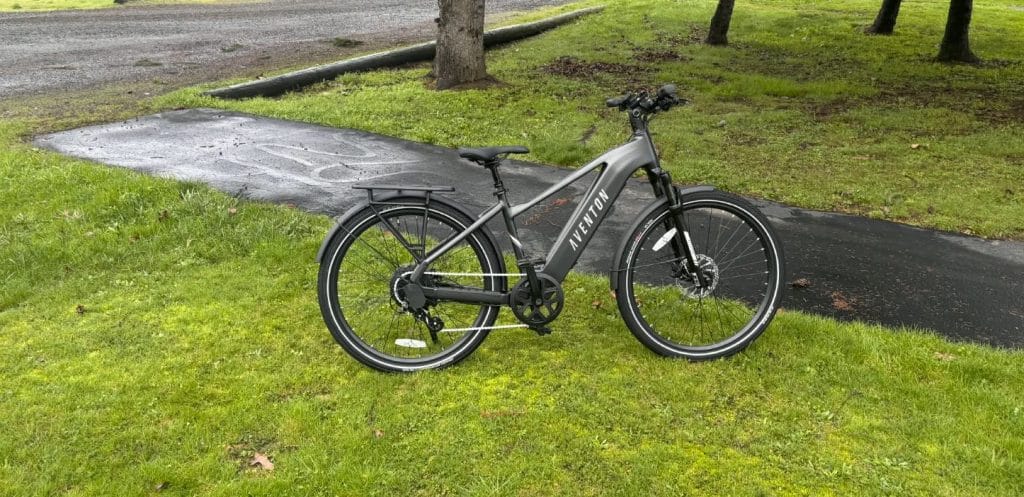
Overall, the setup on day one was mostly straightforward for me, especially the handlebars and front wheel, and that ease carried through to most parts of living with the bike.
The wiring connections took a little extra attention during assembly because the connectors were not color-coded, so I relied on the manual and went slowly. The internal cable cover at the head tube also took more patience than I expected, and I think it is worth knowing ahead of time because small install annoyances can color the first week. I also liked that grease and a spare derailleur hanger were included, because small inclusions like that reduce downtime when something gets bumped or bent.
A few practical details were still worth flagging from a daily use standpoint. I would have preferred USB-C for device charging because it matches how most phones and cables work now, and I also paid attention to charging port placement and exposure to spray. For me, that simply meant being disciplined about reseating the rubber cover after charging, because small habits protect the hardware.
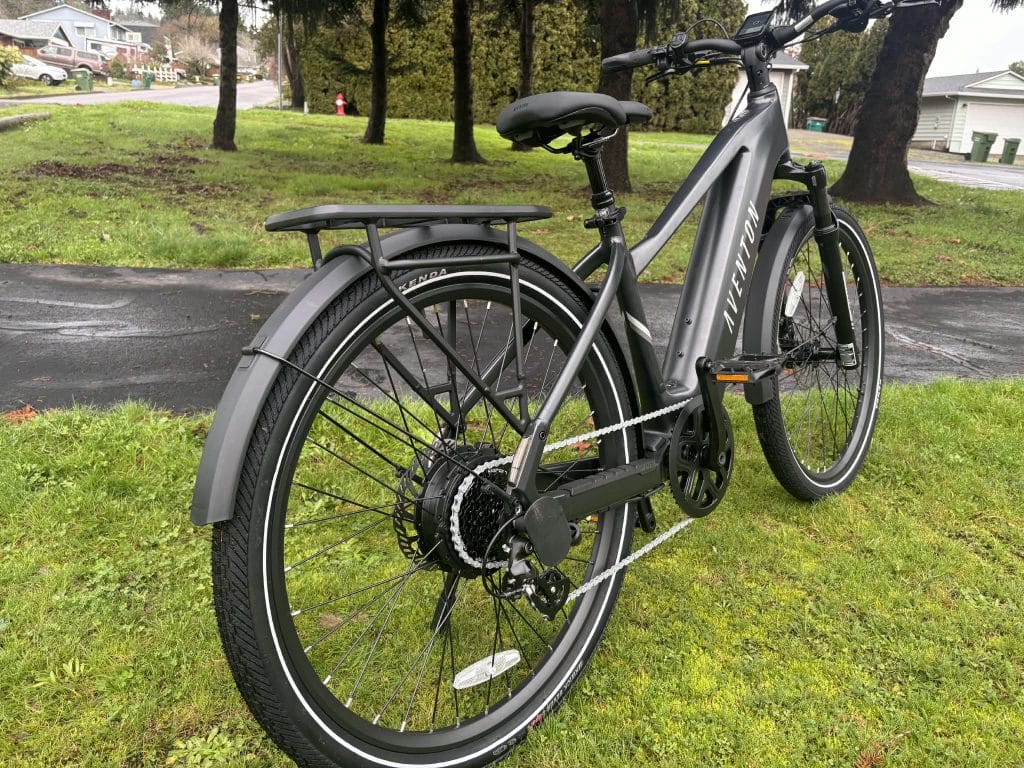
Value is the final category that matters for most buyers. At $1,899, and with discounts sometimes putting it lower, the Level 3 sits in a range where commuter buyers compare complete packages rather than a single headline spec. For my use, the value showed up in the included rack and fenders, the suspension fork and seatpost, the battery size, and the connected security stack that includes GPS tracking, geofencing, alerts, and an integrated rear wheel lock.
My hesitation points stayed consistent: brake lever feel and the longer pull I experienced, brake light activation differences depending on configuration, the head tube cable cover annoyance during assembly, and the charging port and phone charging choices. I also think this bike fits best for commuting and mixed paved riding, and I would not choose it expecting throttle-only performance on sustained steep grades.
If you park in public regularly, the security feature set can feel central to the ownership value, and if you store the bike in a quiet private space all the time, those features may matter less. For my use, the Level 3 made sense because it reduced daily friction. It handled stop-and-go riding with predictable power delivery, it smoothed rough pavement with suspension support that worked, and it gave me security tools that stayed useful after I walked away from the bike.
The post Aventon Level 3 Review: 8 Specs That Explain Everything About This Commuter eBike appeared first on Magnetic Magazine.