


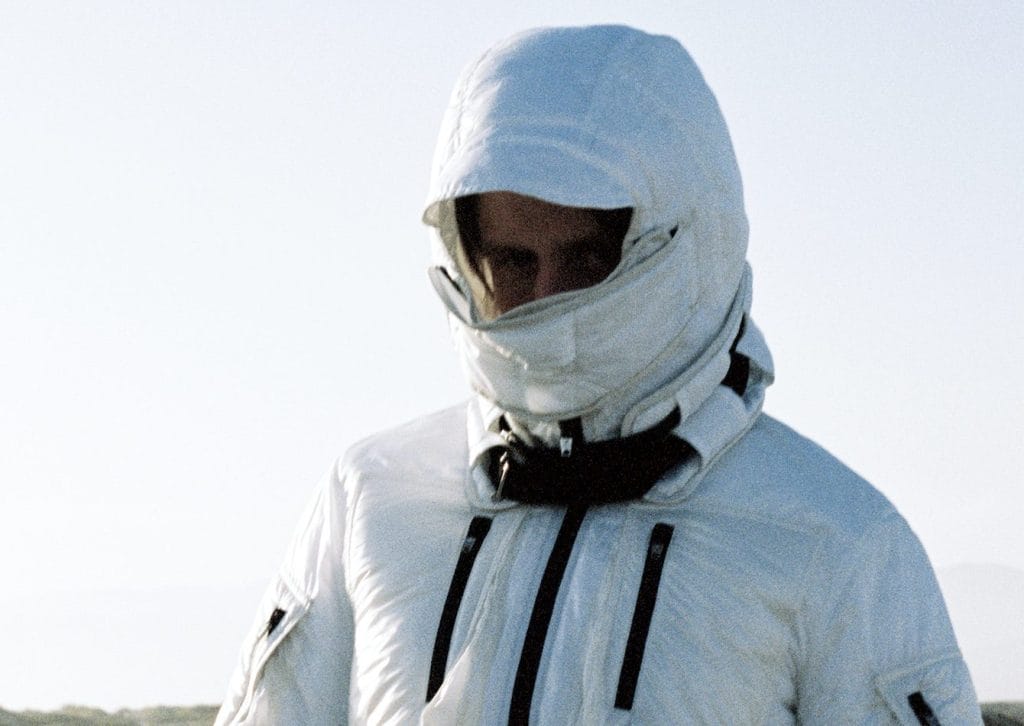
Aaron Hibell (@aaronhibell) has spent the last several years developing a sound that merges orchestral scale with electronic production.
His debut album SYNCHRONICITY, released March 6, 2026 via Astralwerks and Capitol Records, represents the clearest expression of that vision to date. Built around the idea of interconnected moments and emotional resonance, the project unfolds as a cohesive narrative rather than a collection of individual tracks.
The album arrives after a period of rapid growth that includes sold-out shows in Europe and the United States, a livestream performance from an abandoned power station to debut the project, and growing recognition for Hibell’s cinematic approach to electronic composition.
Drawing inspiration from Carl Jung’s concept of synchronicity and the broader idea of invisible connections shaping human experience, the record blends melodic techno, trance elements, and orchestral textures into a single arc. In this conversation, Hibell discusses authenticity in the studio, the pressures of visibility, and the creative philosophy behind his first full length release.
Interview With Aaron Hibell
How do you personally recognize authenticity in your work as a DJ or artist?
With anything I make, the goal is for it to create an emotional reaction in me first. I never approach a track thinking about who might like it or what audience it might reach. When music is created purely because it feels like it will work commercially, it tends to feel flat even if the production quality is strong. That approach usually leads to something that lacks real identity.
For me, taste plays a central role. Audiences often connect most strongly with things they did not expect to hear but immediately recognize as meaningful. I look for a balance between familiarity and surprise. My most honest work usually sits between high energy rave music and emotional vulnerability. A question I often ask myself is whether I would still make the track if nobody else ever heard it.
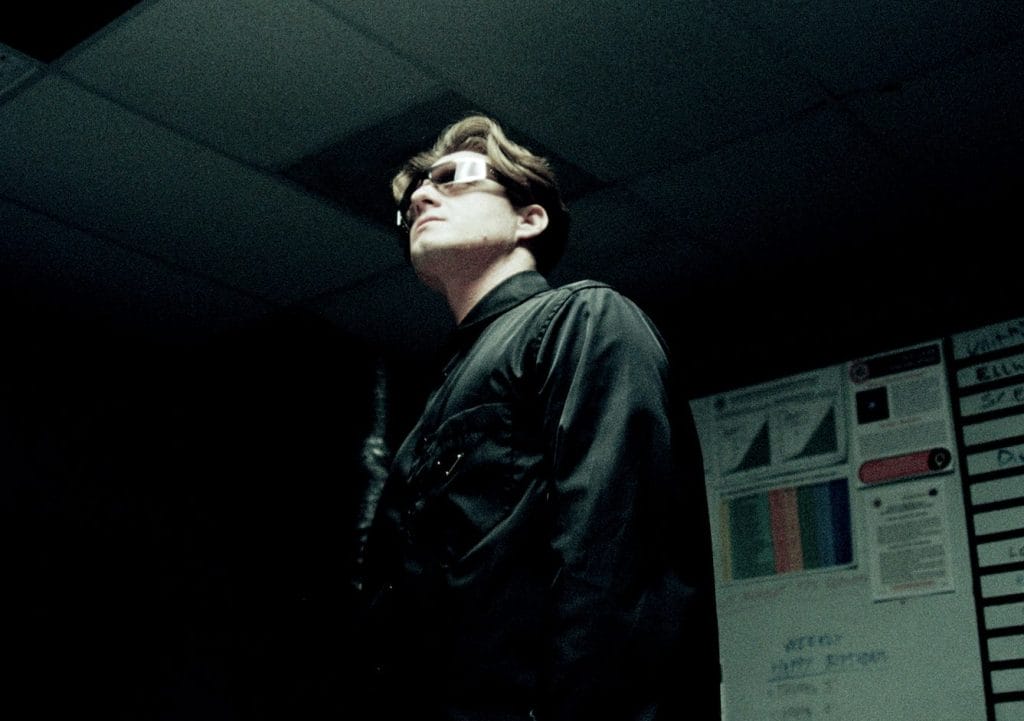
Have you ever felt yourself drifting into a version of you that did not feel fully real?
I think most artists experience that at some point, especially when visibility increases. There is always a temptation to amplify whatever seems to gain traction online. I have caught myself thinking about numbers or social media performance instead of instinct.
The advantage of making emotionally driven music is that it quickly exposes those moments. You cannot sustain cinematic scale or emotional intensity if the intention behind the work is not genuine. Over time the music itself tends to guide you back toward authenticity.
As your visibility increases, what keeps you anchored to your own values?
The studio is the first anchor. It is the place where I can disconnect from business pressures and focus entirely on creation. When you enter that flow state, metrics and external expectations disappear and the process becomes about exploration.
The second anchor is the community around the music. When people tell me that a track helped them through a difficult moment in their life, it immediately reminds me why I started making music in the first place. Those experiences reinforce the purpose behind the work.
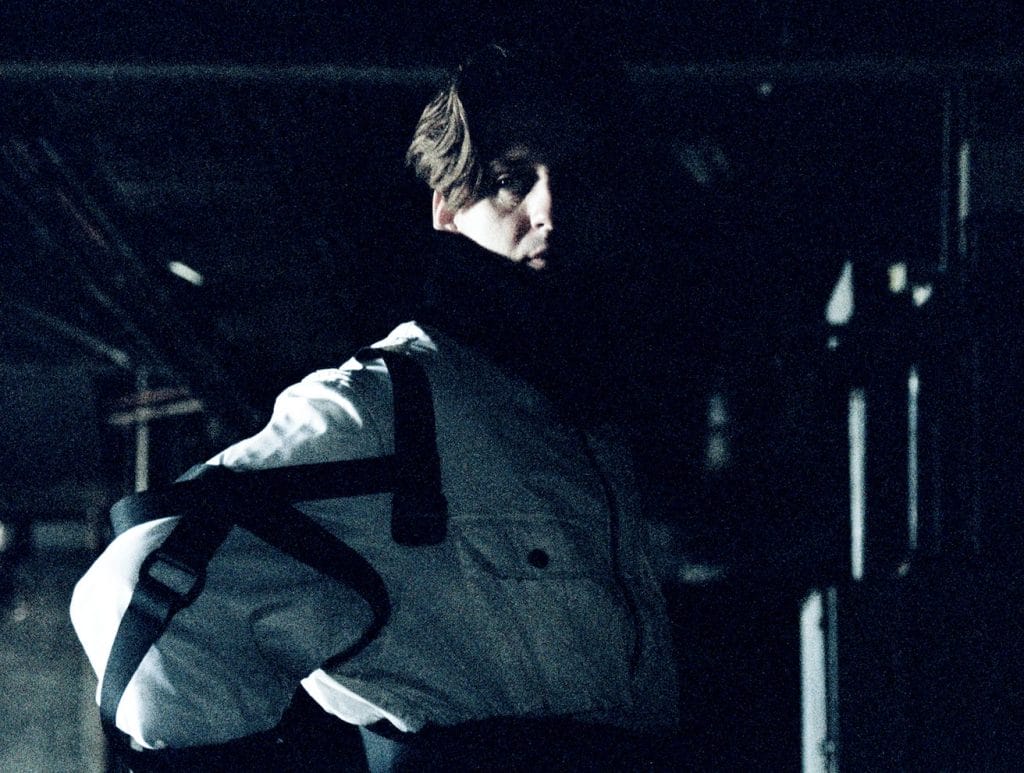
Do you feel the scene rewards genuine expression or strong presentation?
In the short term, presentation often receives the most attention. Electronic music has always carried a theatrical element and trends move quickly. Artists can gain visibility rapidly when their presentation is strong.
Over the long term, genuine expression has greater impact. Audiences sense when music carries depth and substance even if they cannot describe it technically. Authentic work builds culture while presentation alone tends to create brief moments.
How do you know when you are leaning into your strengths versus playing a role?
When I lean into my strengths, the music feels intentional and expansive. It feels like I am constructing a world rather than filling a specific role within an existing trend. The process becomes immersive and guided by a clear emotional direction.
When I am playing a role, the work feels reactive. It begins to resemble an attempt to fit within an established format rather than creating something distinct. Over time I realized that my strongest work exists in cinematic and emotionally driven territory even when that path feels less obvious within club culture.
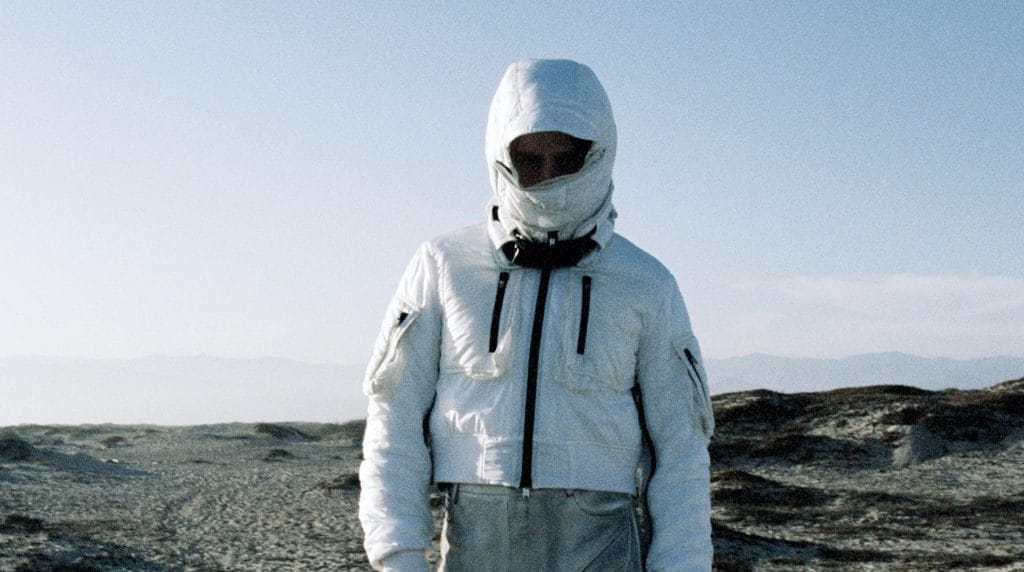
Was there a moment when you realized you needed to course correct?
There was not a single dramatic turning point. Instead it happened gradually through reflection. I began asking myself whether my decisions were driven by momentum or by a long term vision.
That shift changed how I approached the album. Instead of optimizing individual releases, I started thinking about broader creative eras and narrative arcs. SYNCHRONICITY developed from that mindset. It functions as a complete emotional arc rather than a series of unrelated singles.
What would you tell newer DJs who feel pressure to be more than themselves?
The pressure is real, particularly in an era shaped by social media. Ironically, the qualities artists often try to suppress are usually the traits that make their work distinctive. Trying to appear louder or more mysterious rarely leads to lasting impact.
Clarity of identity is far more powerful. Each person’s influences and life experiences are unique, and those elements naturally shape creative output. When artists accept that individuality and build from it, the result translates into genuine confidence.
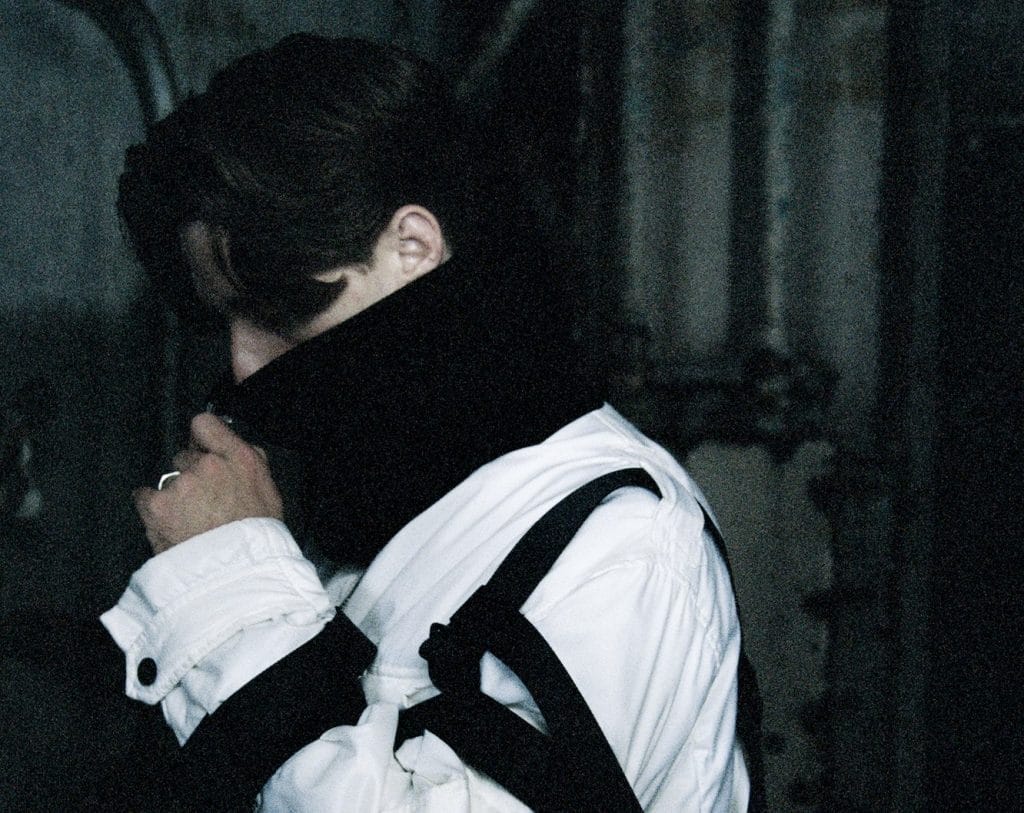
What was the creative process when creating SYNCHRONICITY?
The concept behind the album focused on the idea of invisible connections between moments, sounds, and experiences. I approached the structure the way a film score might be written, with a clear emotional arc across the entire project.
Production centered on evolving synthesizer textures and long builds rather than conventional drops. The goal was to shape tension, atmosphere, and release gradually throughout the record. That approach allowed the album to function as a continuous narrative experience.
What distinguishes your approach from other electronic artists emerging right now?
I do not think about it in terms of competition.
My focus has been building something intentionally cinematic that integrates visual and emotional elements alongside sound. Achieving that balance requires careful attention because the line between cinematic music and something less effective can be very narrow.
In a scene that often moves quickly between trends, I prefer to pursue a consistent vision. The goal of my live performances and recordings is to create immersive environments where audiences feel part of a larger story. The intention is to build experiences that feel expansive while still remaining grounded in human emotion.
The post Aaron Hibell Explores Authenticity and Scale on His Debut Album SYNCHRONICITY appeared first on Magnetic Magazine.