




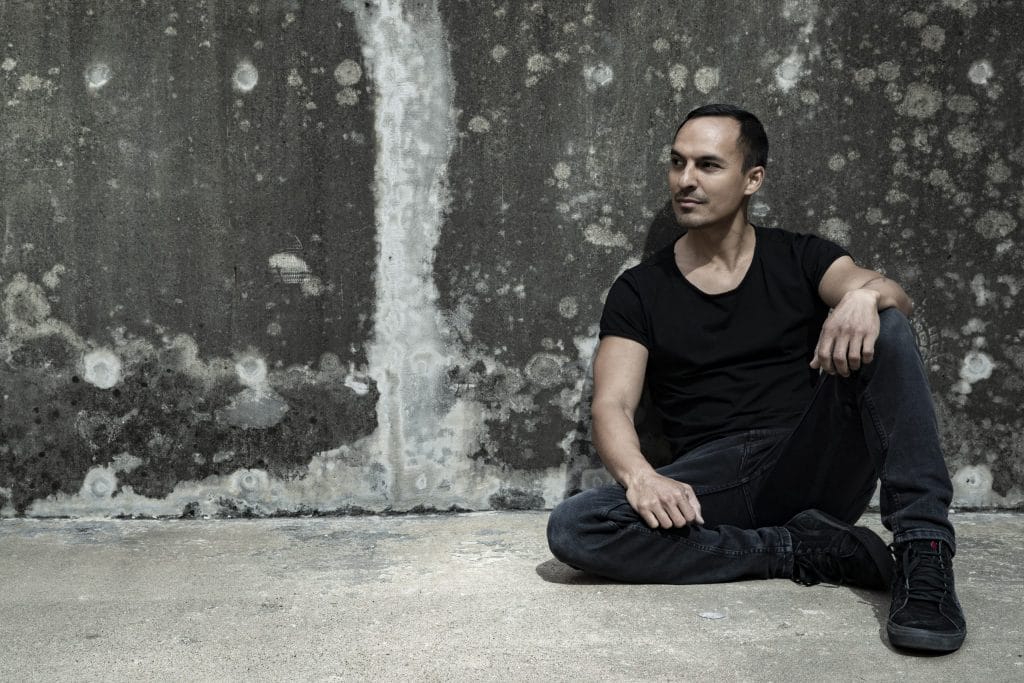
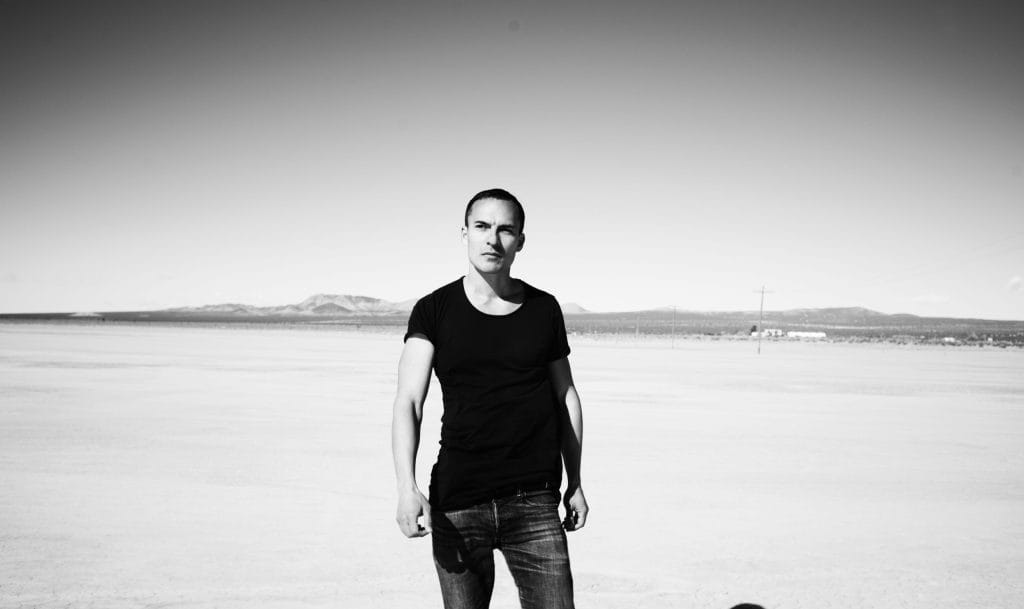
A week ahead of its March 27 release on Songspire Records, Nihil Young, Zy Khan, and Madison Palmer’s “Animals” returns in a new form with Jerome Isma-Ae stepping in on remix duties. The original already carried a strong melodic and progressive foundation, and this new version pushes it toward a firmer dancefloor direction, with a rolling low end, direct forward motion, and the kind of arrangement that is built for peak-time club play. As a premiere, it offers an early look at how the release extends the track’s life while bringing in a remixer whose name still carries real credibility in progressive house.
That connection also gives the accompanying interview added insight, as Jerome Isma-Ae speaks from long experience within club culture and festival circuits alike. His comments move beyond the remix itself and into a broader conversation about what has changed on dancefloors as phones and cameras have become part of the room.
He talks about crowd energy, the difference between intimate clubs and festival stages, and the challenge of keeping people connected to the shared experience in front of them. Framed next to this remix, those answers land with added context, because the track comes from an artist who still thinks carefully about how music functions in a room full of people.
Interview With Jerome Isma-Ae
How has the atmosphere of a dancefloor evolved as phones became part of the space?
To be honest, I´ve enjoyed dancefloors much more before the phone pandemic.
Everyone just lived in that moment instead of being on their phones to take pics and vids. There is a reason why some clubs won´t allow any phones on the dance floor, which makes total sense for me. You also don´t use your phone while watching a movie in the cinema.
When you’re playing, what feels different about a crowd that’s immersed versus one that’s documenting?
DJ´s need the energy of the crowd, otherwise it´s very hard to get connected and to know what to play in which moment.
With a crowd that´s only watching and documenting what you´re doing, instead of dancing and vibing, it´s not possible to built that circle of energy to send everyone on a journey.
Do you approach documentation as part of the culture now, or something separate from the experience?
There are always some pro photo and videopraphers around for the documentary part. Let them do it and everyone else should just enjoy the music and the moment.
Have you noticed differences in engagement between intimate rooms and large-scale events?
Of course, the vibe was always different between playing in a small club or a big festival stage.
Small intimate clubs have a much more private and personal vibe compared to festival stages, where the crowd is a mile away.
Both have their very own unique energy though. At a festival gig you don´t really have the time to built, you have to start at peak and end at peak, like a short full energy set. In the club you can built slowly and tell a story that sends the crowd on a journey.
What helps you draw attention back to the shared moment in the room?
Mostly if I play some of my more popular tracks and remixes draws the most attention during my sets.
Also brandnew and unreleased stuff that nobody has heard yet.
In your view, how has nightlife adapted to the presence of cameras?
I think people lived more freely in the clubs and enjoyed to just being in the moment with the music before the presence of cameras. Electronic Dance Music was created to escape „Reality“, to become one with the music and with the moment and forget about everything else at this moment. Smartphones kind of killed the vibe.
The post Jerome Isma-Ae Talks Dancefloors, Presence, and His New “Animals” Remix appeared first on Magnetic Magazine.