


Table of Contents
Video has become part of the workload for producers who want real traction, yet many artists still treat it as an afterthought or don’t take the time to figure out what the best types of video content for producers work for their style specifically, and that usually shows up in the feed right away. One post captures a crowd moment, the next is a flyer, then a quick studio clip goes up with no context, and the page starts to feel scattered instead of giving people a clear read on the artist, their taste, and the level of care they bring to their sets, edits, and releases.
In partnership with OBSBOT, this article looks at the types of video content that actually help producers grow in 2026, because most artists do not need a bigger pile of content ideas. I’ve also included a couple of great examples of industry contacts I’ve met over the years who are doing amazing work across these content types, so you can use them as inspiration on your own journey.
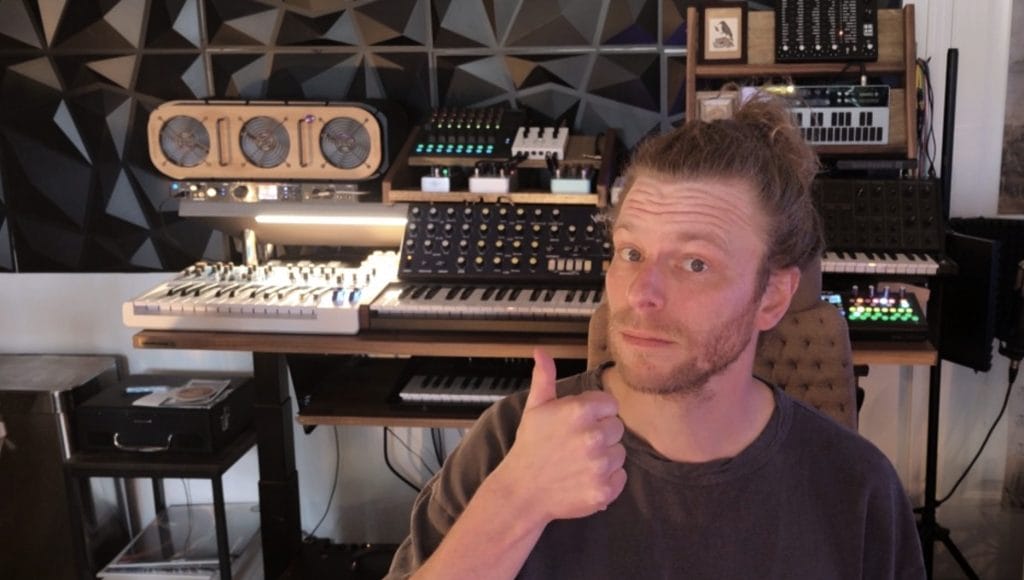
For these references, it goes without saying they may not have used OBSPOT cameras, but I use them all the time in my own studio for live streams and live jams, since the camera quality is second-to-none (you can see a screengrab of me in my studio below, taken with the Tiny 3)
That distinction matters because growth usually comes from consistency and clarity, not from throwing random clips into the feed and hoping one catches. A good short performance clip can get someone to stop scrolling. A thoughtful breakdown can show people how you think. A release-week video can make a track easier to care about. A behind-the-scenes post can keep your page active when there is no major gig on the calendar.
Once those jobs are clear, the pressure drops, planning gets easier, and your page starts telling a more coherent story about who you are as a DJ.
Short performance clips
The short performance clip remains one of the easiest ways to get fresh eyes on your page because it asks very little from the viewer. Someone scrolling through their phone can understand a strong DJ moment in seconds. They hear a clean transition, they catch the energy of a room, or they recognize a track landing in a smart place, and that is often enough to earn a follow or at least a profile visit.
The mistake many producers make with this format is assuming that any footage from the booth will do the job. It will not. A weak clip usually starts too late, sounds rough, looks messy, or takes too long to reveal why the moment matters. A strong clip gets to the point fast. It opens on the transition, the reaction, the left-turn selection, or the moment where the set says something about your taste. It gives the viewer a reason to care without asking them to wait around for one.
This is also where producers need to remember that the clip does not have to explain everything. That is not its role. A short performance video does not need to tell your full story, explain your brand, and sell a release all at once. Its job is to create interest. If it makes someone stop, watch, and click through, it has done what it needed to do.
The best versions of this format tend to share a few traits.
The camera angle is readable. The audio is usable. The clip includes some context in the caption or on-screen text. The track or setting makes sense. It can be a club moment, a home practice session, a radio mix, a rooftop set, or a studio-filmed release preview. The setting matters less than the clarity. If someone can quickly tell what is happening and why it is worth their attention, the post has a much better chance of doing real work for you.
Track breakdown videos
A lot of producers spend plenty of time trying to look active online, but far fewer take the extra step of showing how they think. That is where track breakdown videos can be so effective. They move the conversation past surface-level performance and into process, and that is usually where audience trust starts to grow.
This kind of video can take a lot of forms.
You can explain why two records work so well together. You can talk through the point where you cut the low end during a transition. You can show how you use loops to create space before bringing a new track in. If you produce your own music, the value goes up even further because now you can show how one of your tracks fits into a set, why you changed an arrangement after club testing, or how you tightened a groove before release. Those details matter because they show that your choices are deliberate.
What makes this format strong is that it gives the viewer something to take away.
 DISCOGNITION
  (@discognition)
A polished promo clip may look nice, but a breakdown has a better chance of getting someone to return because it offers insight. That does not mean it needs to be highly technical. In fact, these videos usually work better when they focus on one point at a time. One lesson, one decision, one moment in the set. The tighter the focus, the easier it is for the viewer to follow, and the easier it is for you to make the format part of your regular workflow.
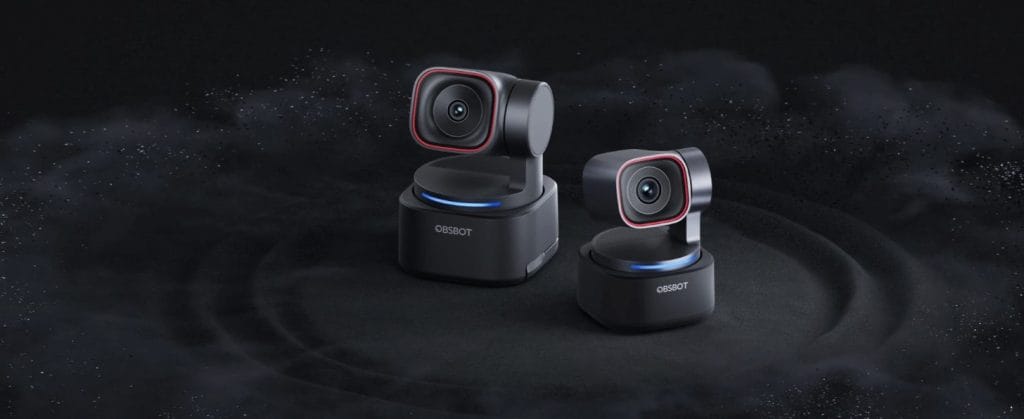
If you are filming these clips at a desk or around your mixer and controller, a compact camera that stays out of the way can make the process much smoother, which is one reason the OBSBOT Tiny 3 fits this type of content well. The main value here is not novelty. It is convenient.
When the camera can stay in place and capture what you are doing without turning a simple breakdown into a production project, you are far more likely to keep filming.
Release-week videos
Release-week content tends to be far thinner than it should be. A lot of artists still post the cover art, add a link, say the track is out now, and move on. That can work if your name already carries enough weight to pull people in on its own. For most DJs and producers, that approach leaves a lot of value on the table.
A better way to think about release content is to treat one track as a small run of related posts instead of one announcement. The teaser clip is the obvious place to start, but after that there is room to build context. You can post a short video explaining where the track came from or where it sits in your sets. You can show a section from the studio, especially if there is one hook, groove, or arrangement choice that defines the record. You can post a live-use clip that shows how the track lands in a room. If you have a strong crowd reaction or a clean transition into the record, that can become another post entirely.
The reason this works is simple. Different people need different entry points. One person may respond to the energy of the teaser. Another may care because they heard the story behind the track. Another may become interested after seeing how the arrangement functions in a real set. When you build a small release-week stack around the same record, you create multiple ways for the audience to engage with it.
This also helps address one of the bigger problems in music promotion right now: many artists announce their work without framing it. The track exists, the link is live, the artwork is up, and none of that tells the viewer why this particular release deserves their attention. Good release content gives the audience a reason to care by adding context, process, and a stronger sense of where the music fits in your broader identity as an artist.
That does not require a huge amount of content. In most cases, three or four well-planned clips will do far more for a release than ten repetitive announcements. The important part is that each post brings a slightly different angle to the same piece of music so people do not feel like they are seeing the same message on repeat.
Behind-the-scenes clips
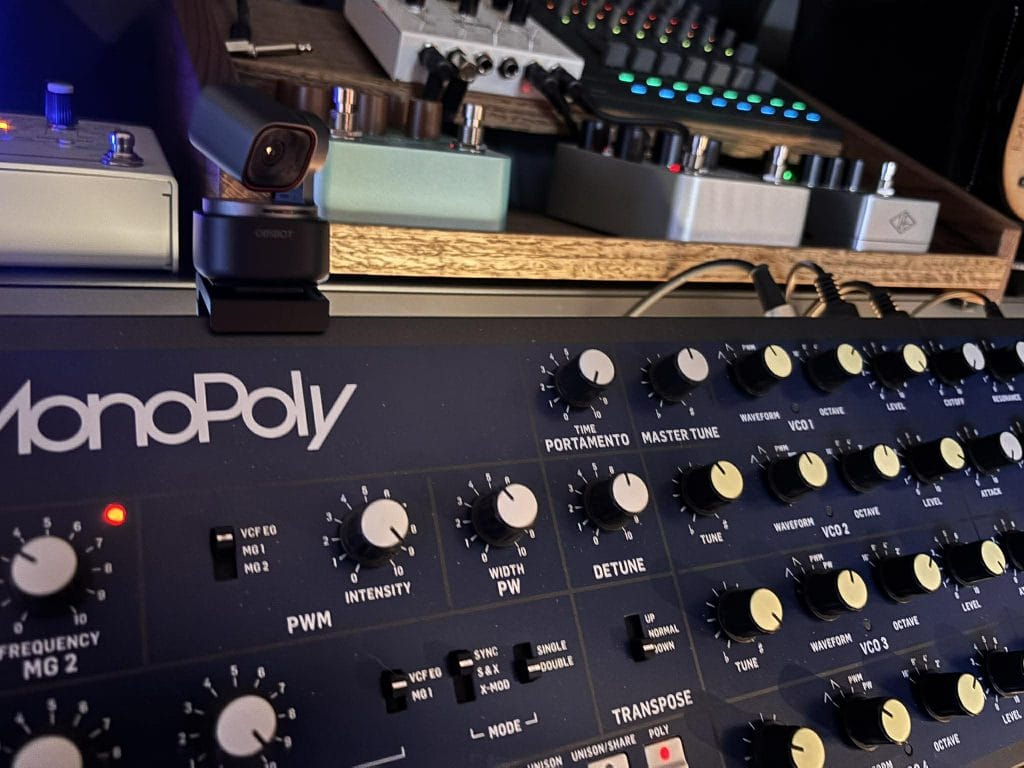
Most producers are not playing huge shows every week, and most are not releasing music every Friday. That means there are long stretches where the feed still needs to stay active even though the headline moments are not there. This is where behind-the-scenes content can become useful, provided it is built around real process instead of empty filler.
There is no shortage of good material here. USB prep before a weekend run can become a short clip. Folder organization before a long set can work. Record shopping, testing transitions at home, preparing a guest mix, soundcheck before doors, building edits, checking cue points, or tightening playlists for a radio slot are all forms of work that reveal something about how you operate. These may not look dramatic while you are doing them, but they tell the audience a lot about your standards and your routine.
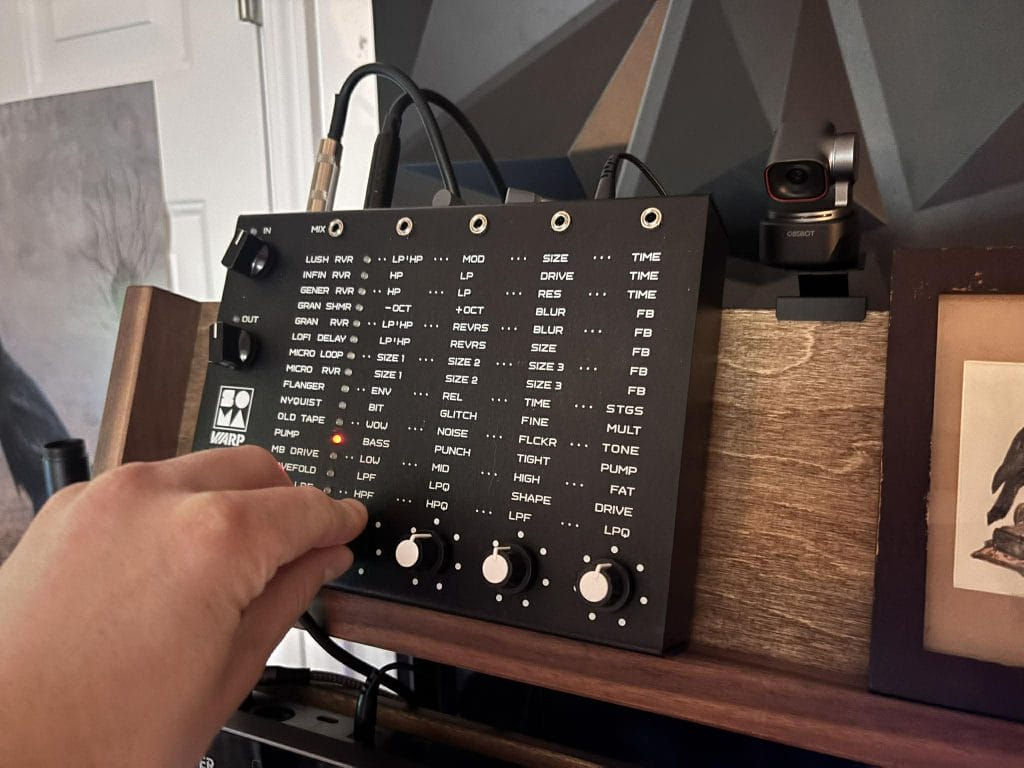
That matters because people do pay attention to those signals. Fans notice when an artist seems engaged and active even when there is no headline announcement attached. Promoters notice when a page shows discipline and consistency rather than long periods of silence. Brand partners and collaborators notice when the work looks organized. None of this needs to be said outright. The clip does the talking for you if it captures the process clearly.
The weak version of behind-the-scenes content usually has no clear point. It feels like lifestyle posting for the sake of staying visible. The better version gives the viewer a specific action to latch onto. You are prepping for a set. You are testing a transition. You are checking the way an edit lands in a room. The audience can understand the purpose of the clip, which makes it easier for them to stay engaged with it.
This category also helps keep pressure off your bigger posts. When behind-the-scenes material is working, every release clip and performance video no longer has to carry the full burden of keeping your page alive. You end up with a healthier rhythm, and that usually makes the entire content plan easier to maintain.
Time Lapse
Another format that is working well for DJs and producers right now is the studio time-lapse. A fixed camera pointed at the desk, synths, controller, or DAW can turn an hour of real work into a one-minute clip that feels active, informative, and easy to watch. People get to see the session take shape in slow motion, which gives them a clearer sense of your routine, your focus, and the amount of work that goes into a finished track, edit, or set.
What makes this format useful is how much range it gives you without asking for a large production setup. You can run text over the top to explain what part of the session people are watching, use a voiceover to talk through the problem you were solving, or attach the clip to an announcement about a release, a guest mix, a remix, or an upcoming show. The video has movement built into it from the start, so even a simple fixed shot can hold attention longer than a standard talking-head post if the framing is clean and the message is clear.
This also works because it lets one piece of footage do multiple jobs. The same time-lapse can support a release announcement, tease a breakdown clip, show progress on an edit, or keep the page active between larger moments on the calendar. For producers trying to grow, that kind of efficiency matters. You are not filming content for the sake of it. You are turning real studio time into a format that shows process, supports promotion, and gives people another reason to stay connected to your work.
A simple filming setup makes all of this easier to sustain
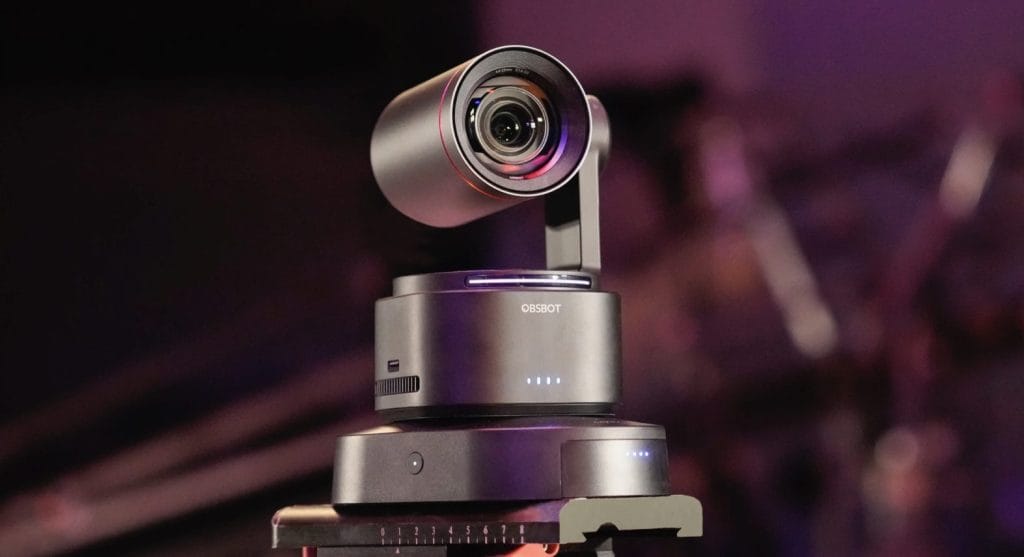
A lot of content plans fail because the setup is too annoying to repeat. The artist means to film more, but each session requires moving lights, balancing a phone in the wrong place, reconnecting gear, or rebuilding the same shot over and over again. That friction adds up fast, and it usually leads to fewer posts, longer gaps, and more excuses.
The practical fix is to build one filming setup that covers the most common things you need to capture.
For most producers, that means one reliable angle for talking-head clips, one for mixer or controller footage, and one desk-based view for release content or track breakdowns. The more stable that setup becomes, the easier it is to film regularly without turning each post into a separate production day.
This is also where something like the OBSBOT Tiny 3 makes sense, because the value of a small camera in this context comes from reducing friction. If it can stay in place for breakdowns, release intros, and quick studio clips, you no longer need to rebuild the setup each time the idea to film something comes up. That kind of convenience often ends up mattering far more than extra features on paper, because consistency usually comes down to how easy the tool is to reach for when the moment arrives.
A repeatable setup also tends to make the content itself better.
- The lighting stays consistent.
- The framing improves.
- The background remains under control.
- The clips start to look like they belong to the same artist rather than coming from five different workflows.
That coherence helps the page feel more professional, but it also saves time, and that may be the bigger win for most artists.
Final thoughts
The producers who grow in 2026 will not necessarily be the ones posting the highest volume of random clips.
They will be the ones who understand what each type of video is supposed to do and build a small system around that. Short performance clips can pull in fresh attention. Breakdown videos can build trust. Release-week content can make tracks easier to connect to. Behind-the-scenes posts can keep the page active between bigger moments. Community-led videos can turn casual viewers into regular followers.
Once you stop treating video as one vague task and start treating it like a set of repeatable formats, the whole process becomes easier to manage.
Planning improves, the page feels more coherent, and the audience gets a much better sense of who you are, what you care about, and why your work deserves their attention. That kind of clarity still goes a long way, and for producers trying to grow in a crowded field, it often makes the difference between posting constantly and actually building momentum.
The post The Best Types Of Video Content For Producers Trying To Grow In 2026 appeared first on Magnetic Magazine.