


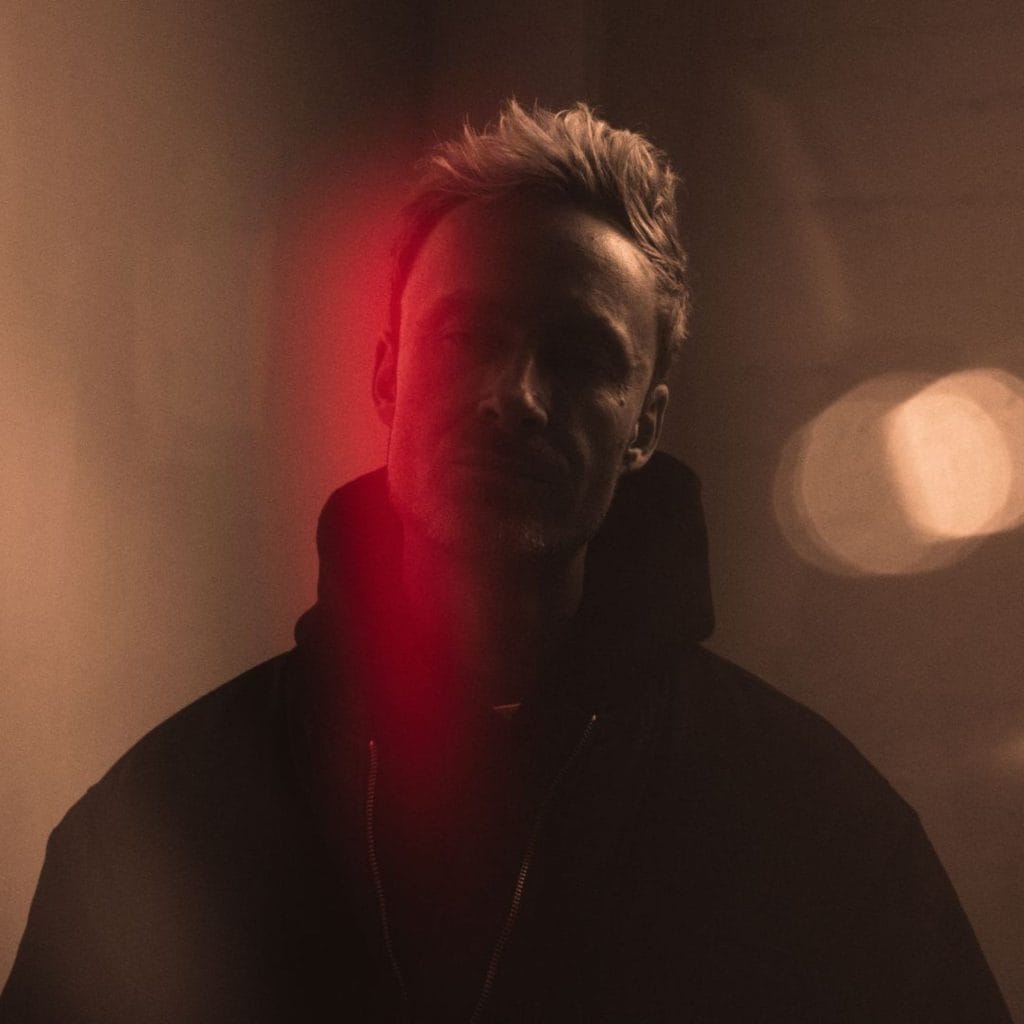
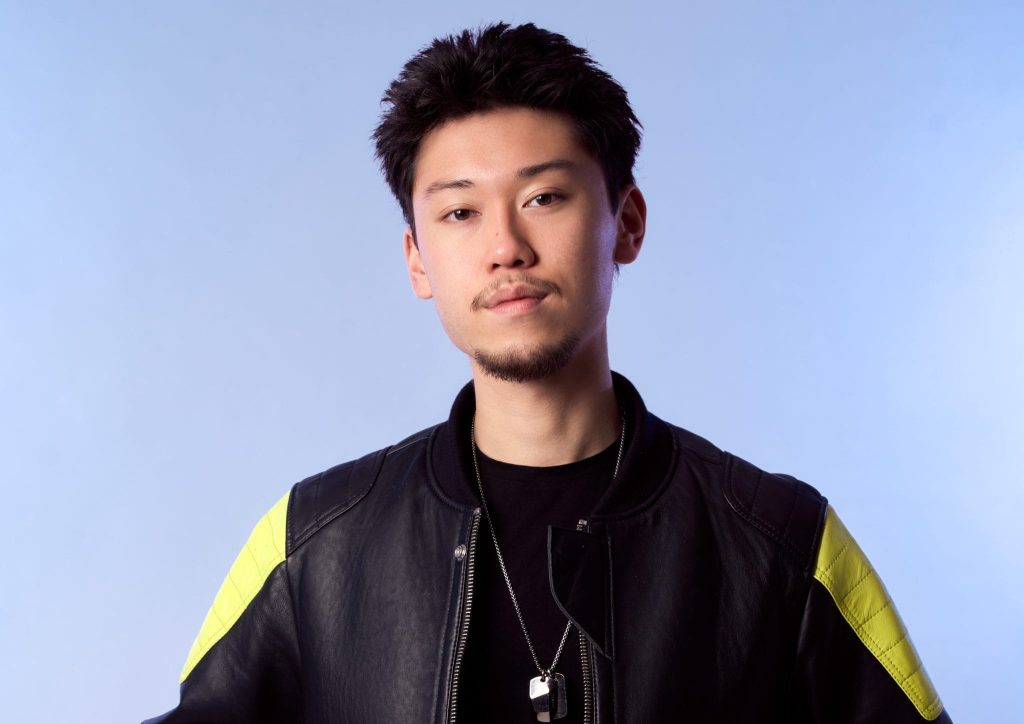
Genre lines are fading, and Sasha & Cortese are leaning into that shift rather than resisting it.
Their new collaboration “One,” out now as of February 13, 2026 on Last Night On Earth, reflects a mindset that prioritizes energy and narrative over rigid categorization. For Cortese, the structure of thinking in fixed genres has largely dissolved, shaped by both their own evolving production style and the broader experimental direction of electronic music.
While UKG, electro, and breaks still surface in moments where they feel right, the framework is no longer built around labels. Instead, it is built around flow, tension, and cohesion across eras and moods.
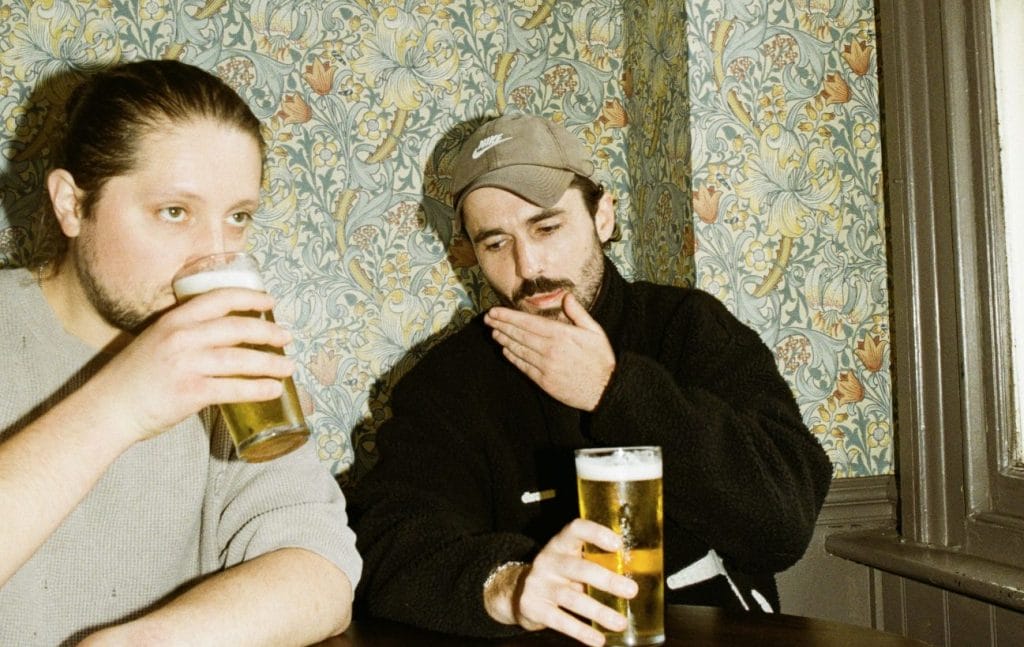
In this conversation, the Manchester-based duo reflect on post-genre club culture, unexpected influences from rap producers and early 2000s rock, and how long-form energy control allows them to move across styles without losing identity.
Interview With Cortese
Do you still think in genres when you build a set—or has that structure started to dissolve for you?
The structure has definitely dissolved for the most part. I think that comes down to a combination of broadening our own sound through production and electronic music becoming more experimental in general. There are a lot more tunes that are hard to quantify under one genre nowadays, which is great. We’ve kind of given up trying to label electronic music at this point.
That being said, there are definitely times throughout a set where a straight UKG tune or an electro tune feels right to play next, so we’re kind of filtering by genre a little bit still in that sense.
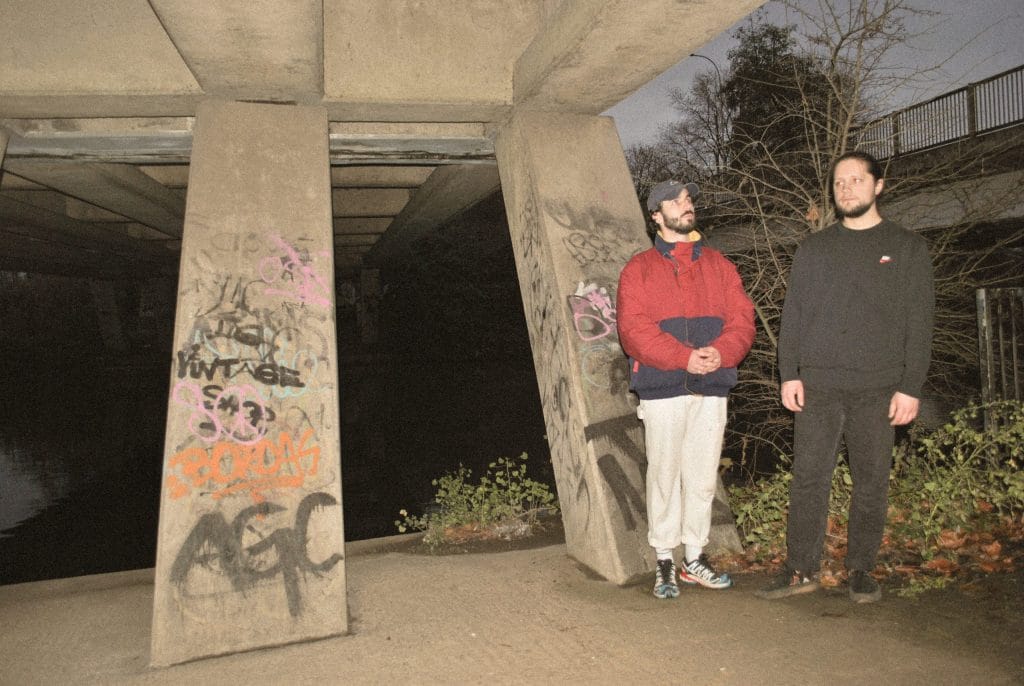
Have you noticed more DJs blending styles and moods in ways that didn’t feel possible ten years ago?
Absolutely, and some of the most interesting DJs and producers are the ones doing that.
Lots of great clubs and events don’t commit to a particular genre these days, which makes things more exciting. At the White Hotel in Manchester, there’s something new every night. The overall ideology of the club is clear, but it isn’t impacted by the genres being played.
Is there a downside to post-genre clubbing—like a loss of specificity or identity in sound?
Not necessarily, for us.
We’ve always looked to a wide variety of different sounds for inspiration. So, the broader the range of different genres we listen to at the club or at home, the more inspiration we’ll generally find. If anything, different genres can add to the identity of other genres.
What’s one unexpected combination of styles that’s worked surprisingly well in your sets?
Sets really vary but in terms of actual music production, there are some unexpected influences we’ve drawn from. A lot of rap music producers like Wraith9, F1LTHY & Lusi have interesting approaches to melody and rhythm that are really inspiring. Drawing from that instead of more UK dance music helps us to maintain a more unique sound. It’s also nice to look back to music we listened to growing up that has definitely had an impact on our music. Joe Hahn and Mike Shinoda’s synth work in the early Linkin Park stuff is a big one.
Do you think crowds care about genre anymore—or are they responding to something else entirely?
Probably not as much as they used to, but it depends on the scene.
There are a lot of people still going to straight house or DNB nights. Also, the Ghosts of Garage nights in Manchester draw a decent following. But on the flip side, lots of DJs are appearing on bills you might not have expected to see them on. Artists like Mechatok playing alongside the likes of Overmono is fascinating. It’s a great opportunity for people to discover something new and broaden their tastes.
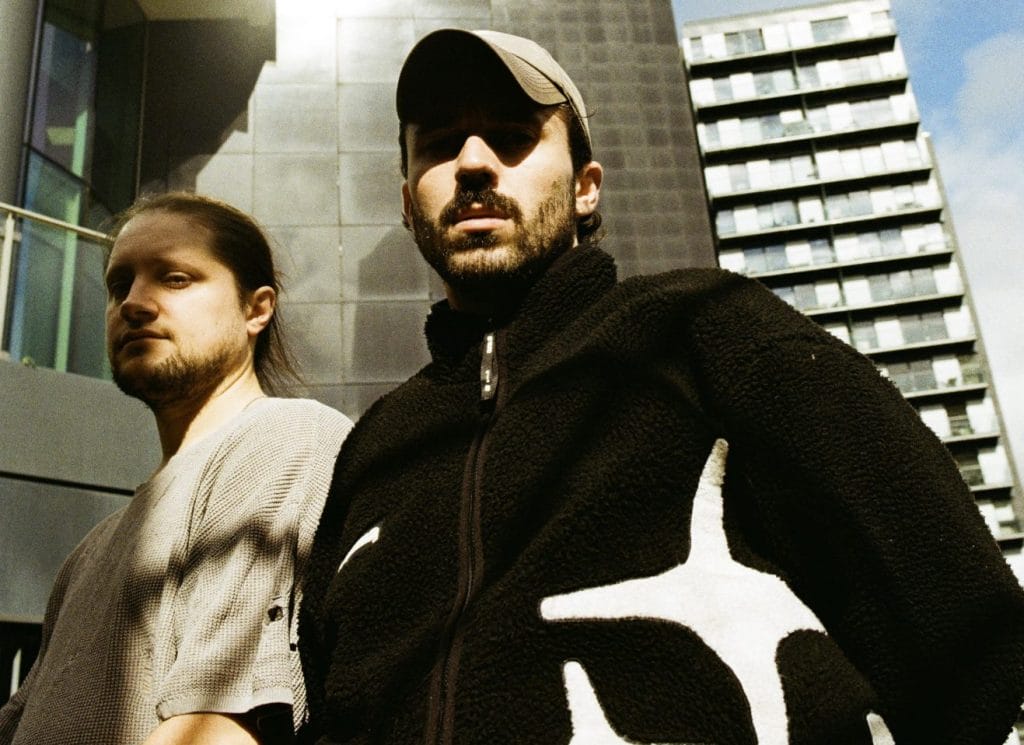
How do you make sure your sets still feel cohesive when you’re moving across sounds and eras?
Generally just concentrating on energy levels.
Of course, there are a few fundamentals that will stop certain tunes from mixing together. But by focusing on energy and building that gradually, you can switch between different rhythms and musical aesthetics more often.
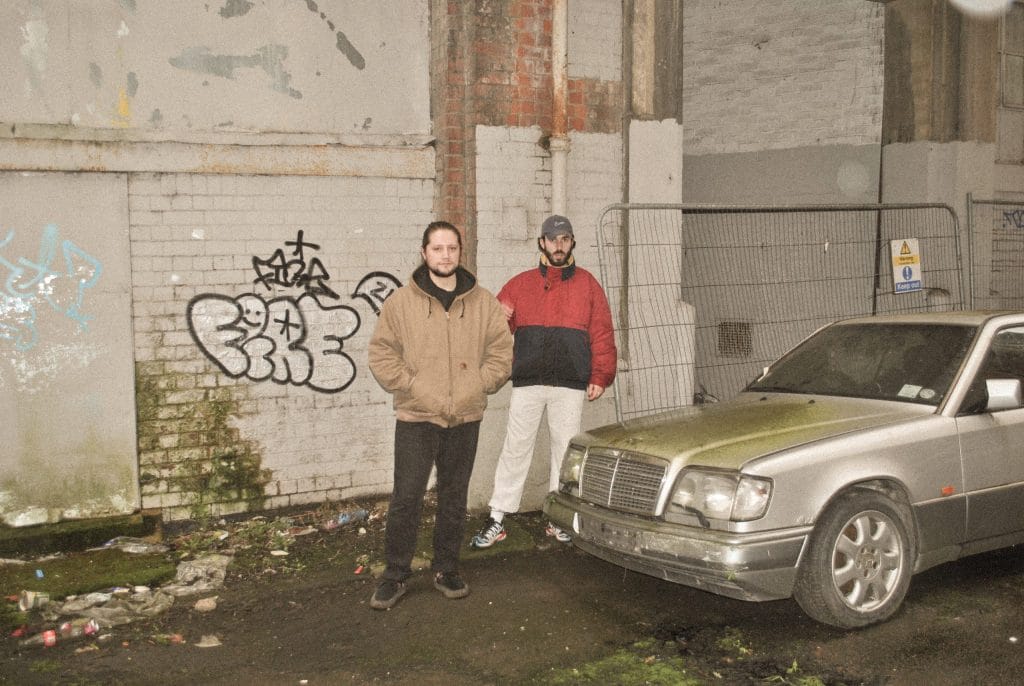
What’s a genre you never thought you’d play—but now it feels at home in your rotation?
Maybe electro? We’ve always both listened to a lot of it but it never really appeared on our USBs until the past few years.
After we produced our most electro-routed tune, Inertia, we started to realise how compatible it could be with our DJ sets. Now, artists like Sarah Farina and Aloka are getting played out a lot.
The post Cortese Talk Energy, Electro, and the Evolution of Club Identity appeared first on Magnetic Magazine.