


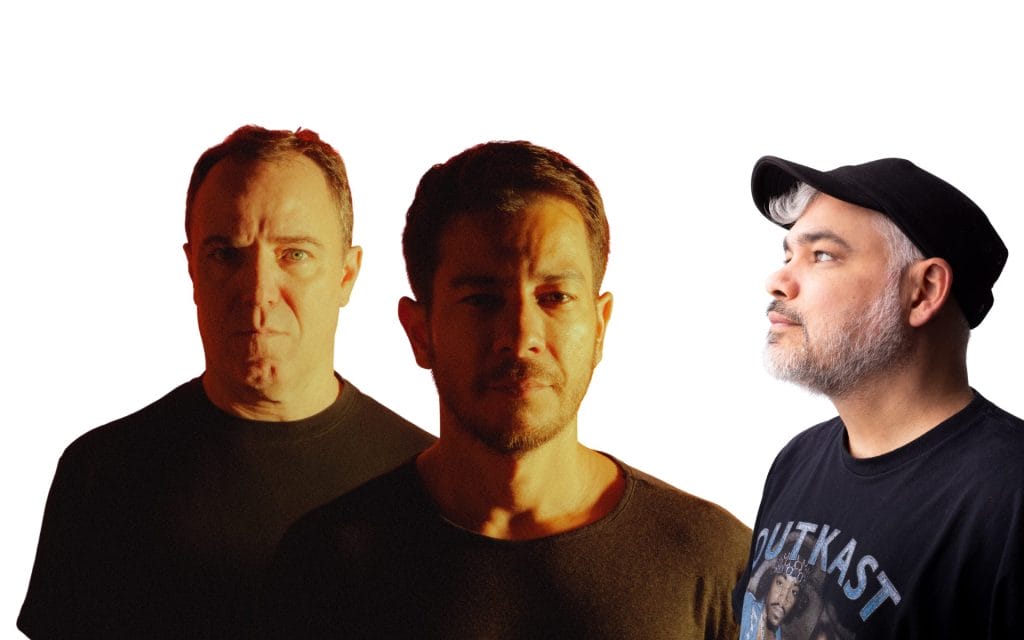
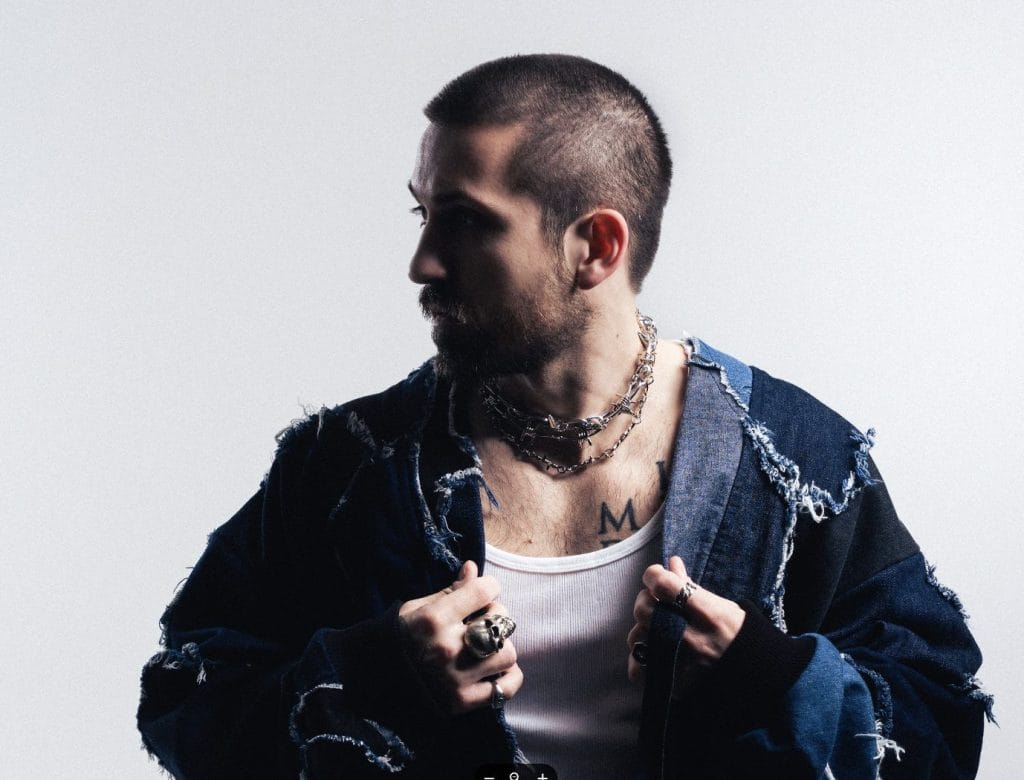
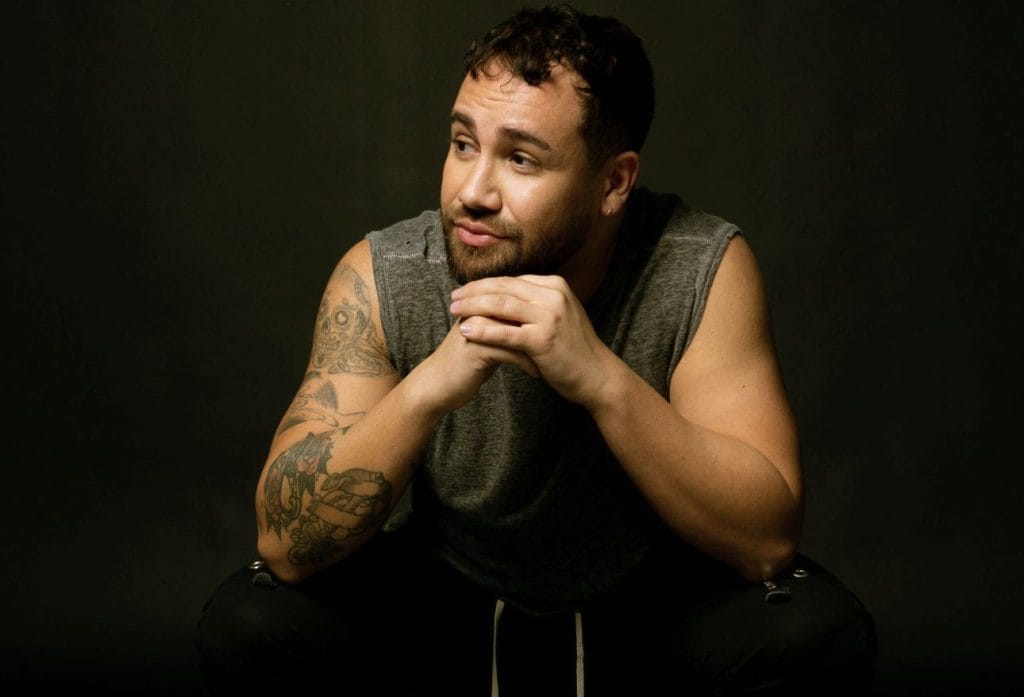
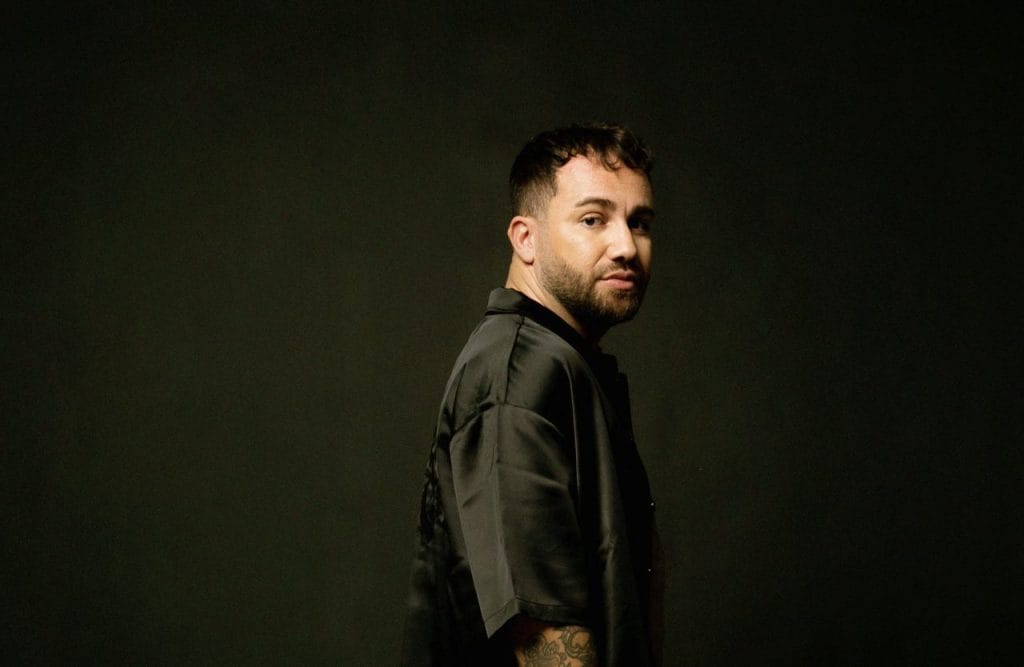
Frank Storm has built his name on clarity behind the decks and precision in the studio, and that mindset carries straight into his new Physical Love EP on Sound D’Elite. Landing on January 30, 2026, the four-track release marks his debut on Ilario Alicante’s imprint and reflects the groove-focused approach that has defined his sets at DC10, IPSE Berlin, and Pacha Ibiza.
From the title track’s driving low-end to the after-hours tension of “Escabrosa,” the EP captures a DJ who understands timing, restraint, and physical impact on a dancefloor.
At the same time, Storm is navigating a club culture that looks very different from when many artists first broke through. Phones are up, moments are clipped, and viral highlights can accelerate careers overnight. In this conversation, he speaks candidly about the difference between a crowd reacting and a crowd recording, how filming alters the feedback loop between booth and dancefloor, and why authenticity remains central to his identity as a DJ.
The discussion connects directly to Physical Love EP, a release built for real rooms and real energy, even as the scene continues to evolve around it.
Interview With Frank Storm
What’s the difference between a crowd reacting and a crowd recording?
I think there’s a big emotional difference. When a crowd is truly reacting, you can feel the energy coming back to you in real time. It’s physical, it’s immediate, and it feeds the whole room.
When people are mostly recording, the connection becomes a bit more distant.
That said, capturing a small moment of the night as a memory is completely normal today, and I don’t see anything wrong with that. It also gives people who couldn’t be there the chance to experience a piece of the event.
Do you think filming moments during a set changes the energy of the room?
Yes, it can definitely change the energy in the room.
Phones can sometimes create a layer between the artist and the crowd. But at the same time, we live in this era, and documenting moments is part of modern club culture. If it’s done naturally and not excessively, I think it can coexist with the live experience without killing the vibe.
How do you balance wanting your set documented without losing spontaneity?
For me, authenticity is the key. Even if an artist documents their set, they should always remain true to themselves , both musically and in the way they interact with the crowd.
The moment you start constructing something just for the camera that doesn’t reflect who you really are in everyday life, people can feel it. I try to stay genuine and let the moment lead rather than forcing it.
Have you ever had a moment that felt ruined by too many phones?
Not a specific moment that I would say was completely ruined, but today we definitely coexist with this reality. Crowds are heavily influenced by social media culture, and that naturally changes behavior on the dancefloor.
It’s something we as DJs have learned to work with rather than fight against
What does it feel like when people are in their bodies versus behind their cameras?
When people are fully present in their bodies, the difference is huge.
You feel the movement, the eye contact, the shared emotion; it creates a real feedback loop between the booth and the dancefloor. When many people are behind their cameras, the energy can feel a bit more static. The magic of clubbing has always been about losing yourself in the moment, and you can really sense when a crowd is truly locked in.
How do you keep the magic alive when so much of the magic is being documented?
I always try to establish a strong connection with the crowd, both visually and through the music.
Eye contact, track selection, tension and release these things still work regardless of phones. If you build a real emotional journey, people eventually forget about recording and start living the moment. That’s when the real magic happens.
Do you think phones have changed the kinds of moments DJs aim to create?
I think phones have mainly changed the speed at which a DJ can rise and become popular. Viral moments travel incredibly fast now and can amplify a career overnight.
Of course, they’ve also influenced the types of moments that get highlighted and shared across platforms. But in the end, I still believe the strongest moments are the ones that truly move the dancefloor, whether they’re filmed or not.
The post Frank Storm on Phones vs Presence in the Booth and His New Physical Love EP appeared first on Magnetic Magazine.