




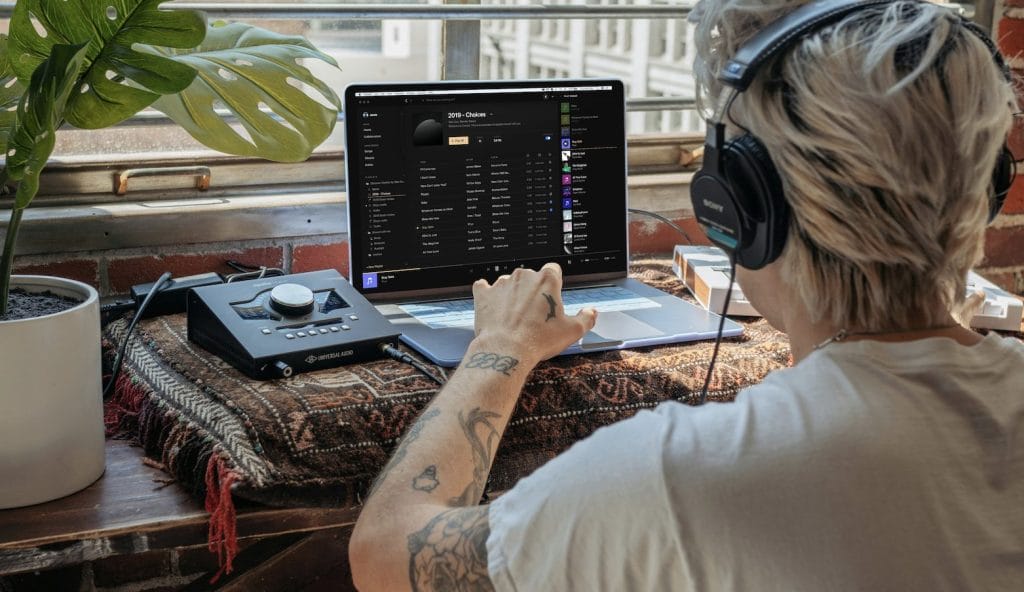
Most producers I know do their best work in contained blocks, and the block tends to last around four hours once you remove interruptions, phone checks, and half-focused listening.
That pattern shows up in writing camps, deadline weeks, and normal solo weeks, and it shows up for a simple reason: sustained attention drops over time. When you push past that drop, you start spending extra minutes on decisions that used to take seconds, you second-guess edits you already proved in context, and you reach for quick stimulation because your brain wants novelty. Research on sustained attention and mental fatigue backs up this basic experience, since performance tends to decline with time-on-task and subjective fatigue rises as the task continues.
If you take that idea seriously, the goal stops being “work longer,” and it turns into “work inside the window where your judgment is at its best.” So let’s talk about it a bit.
Finding Your Personal Peak
The next step is to learn where your personal peak is, since four hours of strong work depends on when you start. Many creative people assume late-night output means they are built for late nights, but often it simply means they are quiet, uninterrupted, and finally alone.
Chronotype research shows that time of day interacts with cognitive performance and that people differ in when they perform best across different mental tasks. In studio terms, that means your writing window might happen at a different time than your editing window, and you can use that to your advantage. I like to make high-stakes decisions, arrange calls, mix balance moves, vocal comping, and sound selection during the part of the day when attention feels steady.
Then I reserve lower-stakes tasks for outside the peak, like organizing samples, labeling tracks, printing stems, building a session template, or doing the admin work that still needs to get done.
Practical Buzzwords
Here is where the Four-Hour Rule becomes practical, even if it does just sound like another silly marketing buzzword. You plan the session in phases so you do not waste the sharpest part of your day on low-value choices.
The first 20 to 30 minutes are setup, and the point is removing friction: open the template, route your groups, set monitoring level, and pick a starting constraint like tempo range or drum palette. Hours one and two are where writing and decision-making feel easiest, so keep the task narrow, commit to choices, and avoid constant A B testing. Hour three is where you develop what you already committed to, and you do the arrangement work that usually gets avoided when attention starts fading.
Hour four is when you print progress and leave yourself clear notes for the next session, reducing relearning time.
The moment you notice the mental drop, do not treat it like a character flaw. Treat it like a predictable point in the session, and plan a break or a stop before you reach the zone where you start making edits you’ll later undo. Brief diversions and breaks have been shown to protect performance during long tasks, and that maps cleanly onto studio life.
Old Ways Of Staying Juiced And Stoked
A big reason producers struggle with this is the old “stimulation” approach to energy.
Coffee, energy drinks, high sugar snacks, then a hard drop later. That cycle can keep you awake, but it does not always protect calm judgment, and calm judgment is a core studio skill. Recent evidence links higher caffeine intake with increased anxiety risk in healthy individuals, especially at higher doses, and anxiety can push you into compulsive tweaking, rushed decisions, and a narrow attention span. Many producers have started treating caffeine like a tool they dose instead of a constant drip, and they also pair it with basics that help keep energy stable, like hydration and real food.
If you tend to chase focus through stimulants, try moving in the opposite direction for a week: modest caffeine early, water on the desk, a meal that does not spike blood sugar, and a scheduled break you actually follow. Then you can evaluate your work output, not your feeling in the moment.
A Modern Solution?

This is the lane where functional edibles show up for some creatives, and it helps to talk about them with the right frame. These products are marketed around mood, calm focus, or steady energy, and producers who experiment with them tend to do it for one reason: they want fewer spikes and fewer crashes across a session. Some people use them during writing camps because the onset and duration can fit a planned block, and some use them after their peak block so they can stay present for lower-stakes work without revving the nervous system.
The point is not the product story. The point is the workflow story. If you are going to explore this category, start by learning what each product claims to do, how long it takes to take effect, how long it lasts, and what ingredients it uses, then match that to a structured session plan so you are testing one variable at a time. If you want to see how brands position products in this category, you can visit the site and look through the edible categories.
Gaurdrails Are Essential
You also need guardrails because studio culture can get sloppy when people treat “focus” like a blank check. First, legality and product safety vary by state and product type, so you must conduct your own compliance check and purchase from regulated channels where possible. Second, keep the dose low when you are learning your response, and do not mix new products with alcohol or high caffeine during the first tests, since you will not know what is driving the result.
Third, keep the test tied to a specific task: two hours of writing, one hour of editing, one hour of printing, and notes.
If the product slows your decision-making, it will show in the output. If it causes you to switch between tasks, you will see it in your session history. That approach remains grounded because it focuses on deliverables: bounced roughs, organized sections, polished edits, and a plan for the next day.
The environment can also provide more focus than any edible, and producers often overlook this because environmental changes feel less appealing than buying something. Light exposure is a straightforward example.
Research links brighter daytime light exposure to improved attention and reaction time in real-world settings, and broader evidence links daylight exposure to sleep and well-being. If your studio runs in dim light all day, or you work next to a screen that keeps you wired late, you are pushing against your own sleep quality, and sleep quality drives cognitive performance the next day.
This is why many experienced producers keep the room bright earlier, then lower the lights later, and keep night sessions deliberate rather than default.
If you want a source you can link for the light and cognition connection, the University of Manchester coverage includes the journal reference and DOI.
Movement Is King

Movement is another low-effort lever that actually shows up in research. A short walk can support idea generation, and that matters in production because you spend a lot of time trying to force a new section or solve an arrangement problem while sitting in the same posture for hours.
If your session stalls, a ten-minute walk can be a cleaner reset than another hour of scrolling samples, and it also avoids the “I need another stimulant” reflex. There is a strong body of work linking walking with improved creative ideation, and even if you do not care about the mechanism, you care about the outcome: you return and you make a decision. This also pairs well with the Four-Hour Rule because it gives you a structured way to break the block without losing the thread. Walk, return, print a rough, write two notes, then stop.
Where It All Comes Together
So here is the version of the Four-Hour Rule that actually helps you finish music. Pick the time of day when your attention stays steady. Plan a four-hour block with phases, and treat setup, deep work, development, and wrap-up as separate jobs. Use breaks on purpose because time-on-task decline is real, and take the break before you start chasing novelty.
If you experiment with functional edibles, keep it structured and treat it like a workflow variable, since the only metric that matters is the quality and quantity of finished output. Then focus on the basics that make the biggest difference: light exposure, sleep, hydration, diet, and movement.
Do that for a month, and you will usually see the result in your session folder, since you will have more bounced versions, fewer half-finished loops, and cleaner notes for the next day. That is the goal.
The post How to Stay Focused While Producing Music: The Ultimate 4-Hour Rule and Energy Management appeared first on Magnetic Magazine.