



The key to a good live performance might not be what you think it is.
There is a lot that goes into preparing a set. You need tracks, and tracks that work well together. You need to know those tracks inside and out. And, you need to be ready to change tracks on a moment’s notice in case your crowd isn’t feeling it. It’s not as simple as getting onstage and hitting a few buttons on your mixer: live performance is a deeply nuanced skill to master and it takes people years to perfect.
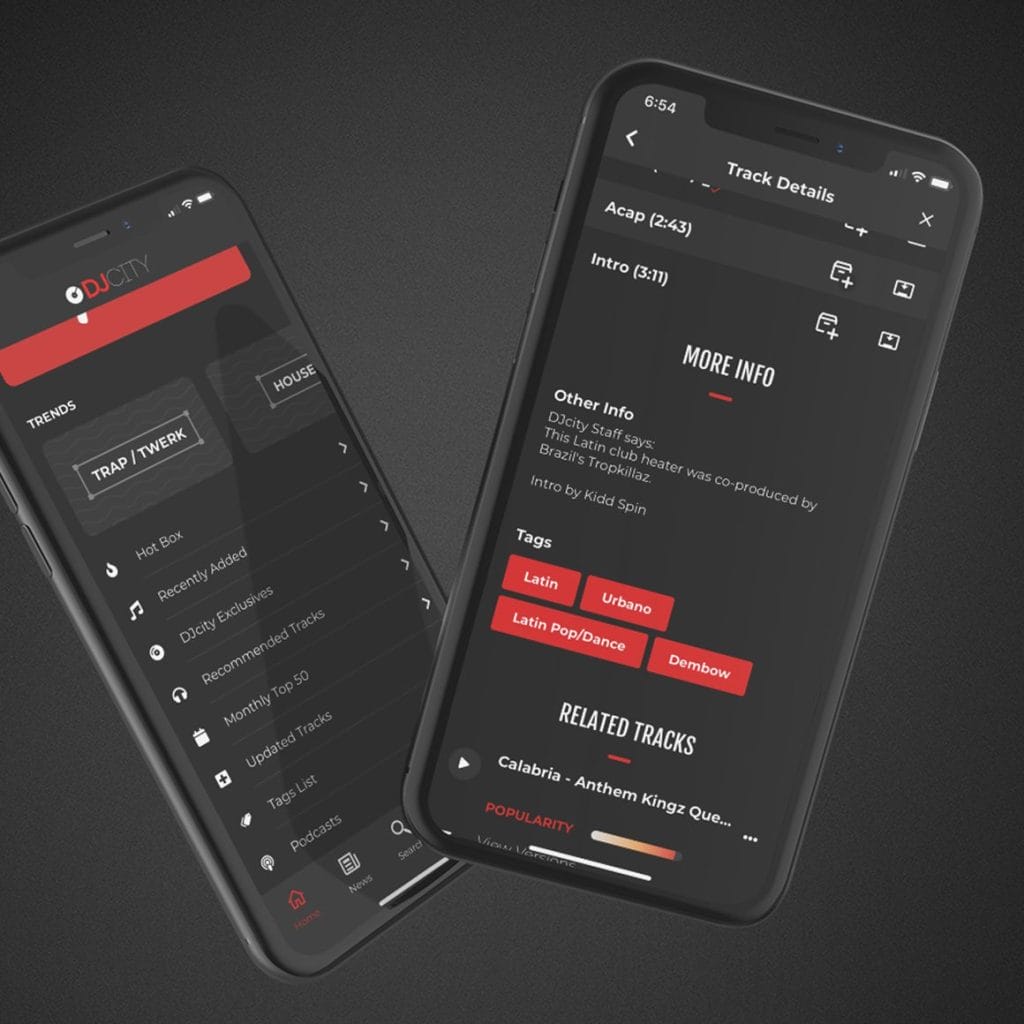
But, if you’re reading this, then it won’t take you years to figure it out – we’ve got some truly exceptional advice to share with you. We recently sat down with Asher “Styles” Finkel, CMO at DJCity, to learn a thing or two about performing live. Powered by Beatport, DJCity is one of the most trusted digital record pools out there today, and for good reason. Using their service is one of the best ways that you can legally get music to play live – but, as we’ve just said, it takes far more than having a stacked USB to be a good DJ. So, we broke down every single step of the process.
If you’ve been wanting to level up your live sets and don’t know how, then this is the interview for you. Read on to learn how to get tracks in your library, and then how to perform them like a pro.
Before we discuss anything else, can you describe what the purpose of a digital record pool, such as DJCity, is?
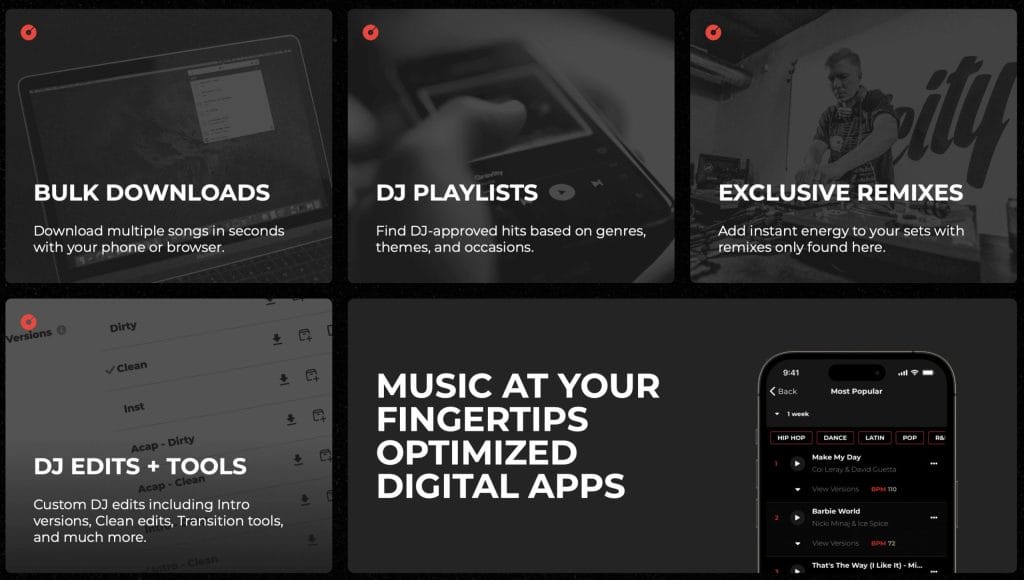
Record Pools have been around since the 70s and primarily serve the function of providing new music to professional DJs. In the 70s and 80s this was achieved through mail order services that provided professional DJs with vinyl copies of new major label priority releases. In 1999, DJcity was one of the first record pools to digitize the model, and provide DJs with MP3 downloads instead of physical vinyl records. DJcity played a vital role in providing professional DJs (mainly radio and club DJs) with edits of tracks that made them more usable in club and radio sets. Radio DJs in particular used DJcity to get “clean” versions and instrumental breaks that they could use on-air, since the major labels did not always provide these versions.
It’s important to note that record pools serve to distribute new music only, and that any pool distributing catalog (old) content is likely doing so illegally.
If you’re just starting out and have no music to play live, what’s the best way to build out your music library?
Record Pools and streaming services are definitely the best (and most cost-effective) way for a new DJ to get started with building a library. They both provide DJs with a breadth of tracks, edits, and remixes that DJs find useful. While record pools are great for discovering new music, edits and remixes, streaming services such as Beatport and Beatsource provide a much larger catalog, including older music, full albums, and seamless integration within DJ software. Record pools generally provide MP3 downloads, whereas services such as Beatport and Beatsource provide streaming access, directly through their preferred DJ software.
What do you think separates a track that’s just a good listen from a track that’ll work well in a live setting?
This is ultimately the job of a DJ, and depends on many factors including when, where, how, and for who it’s being played. We as DJs need to constantly assess the music and determine how to play it effectively. There are many tracks that sound good and might be a “great song”, but simply don’t work in a club or party environment, for whatever reason. Every DJ has experienced this, where they hear a song they like, think it will be a hit, only to play it at a party and clear the floor. This happens constantly and the best DJs will find ways to weave tracks in and out their sets without disrupting the party. Sometimes a song may be too new, or unfamiliar to work in a live setting, but the best DJs will find a way to make it work, or move on. Sometimes a song needs an edit to make it more palatable to a dance audience, and that’s where services like DJcity and Beatport/Beatsource play a vital role. We provide thousands of edits like this including “Club Edits” that may inject harder drums or a re-arrangement of the track to fit the environment a little better.
When building a set, what do you feel is more important: having a plan, or simply going with the flow?
I’ve always been more of a “go with the flow” DJ, and I think that most open-format DJs are the same, however preparation is paramount to being able to do that effectively. In my 25+ years of DJing, I never scripted out a set, but I spent thousands of hours studying my catalog, setting cue points, loops, adding notes, color coding, understanding mixing in key, etc, so that I could instantly adapt to whatever environment I was in. I think that’s also a key distinction between “open-format DJs” and “electronic DJs”, in that open-format DJs can play anything, anywhere, anytime. A true open-format DJ isn’t beholden to prescripted sets, genres, or crowds.
What are some ways that DJs can ensure that their set is coherent?
Know your music, and be well organized. When you’ve deeply familiarized yourself with your catalog and have a well organized library, coherence comes naturally. Understanding BPM and key mixing is another piece of the puzzle, but everything should first start with the music and preparation.
How has the way DJs discover new music changed over the past few years, especially considering recent advances in distribution and the advent of the streaming age?
Social media is definitely the biggest change in music discovery over the last decade. When DJcity first started, radio was king, and the primary way that not only DJs, but the general public discovered music. Today, radio has been supplanted by TikTok and Instagram and most record labels rely on those platforms to break new music. The advent of streaming services such as Beatport and Beatsource have played a vital role in how DJs get their music, but I’d say that discovery is definitely relient on the current social media landscape.
Do you think it’s more important for upcoming DJs to showcase their individual taste or to try and please the crowd?
It’s always a balance of both. Especially in the open-format world, we typically play gigs where the audience wants to hear records they are familiar with, and most pro DJs focus a majority (if not all) of their set on playing crowd-pleasing tracks. But there’s also an element of tastemaking and record breaking that is important to the DJ, and we should always strive to showcase individual tastes within our sets. One of my favorite quotes is from Z-Trip who once said he takes the “2 for you, 1 for me” approach, playing 1 record that he likes for every 2 that he knows the crowd wants. This to me is a perfect hybrid approach that keeps both the crowd, and one’s DJ soul happy.
Lastly, what are three things anybody reading this can do right now to level up their live presence – from track selection, to preparation, to actual performance?
I’d say study your music, organize your library, and know your crowd. Those three things should have you prepared for any gig you take.
The post Why Becoming a Better DJ Relies on Organization and Preparation – A Conversation with DJCity appeared first on Magnetic Magazine.