



Table of Contents
I’ve found that as music production has shifted almost entirely onto laptops and tablets, it’s become easier than ever to finish tracks without ever touching a physical instrument, but that convenience can quietly flatten how you understand music.
When you sit with an instrument, you start to feel how sound actually forms through movement, pressure, timing, and intention, which changes how you think about every decision you make inside a DAW.
Playing something physical gives you a direct relationship with pitch and timing that MIDI alone rarely teaches, and that tactile feedback helps translate emotional ideas into melodies and chords instead of pulling random presets and hoping something sticks. I’ve noticed that instruments also force you to work within limits, especially single-voice ones, and that constraint sharpens your instincts when building more complex arrangements later. There’s also something important about how movement shapes rhythm, because your body starts internalising groove instead of relying on grid lines.
When you hear subtle timing differences and small imperfections up close, you get better at recreating that human feel digitally. Over time, this kind of musicianship expands how you see yourself, opening the door to collaboration, live performance, and a deeper connection with listeners.
Music Theory and Composition Through Instruments
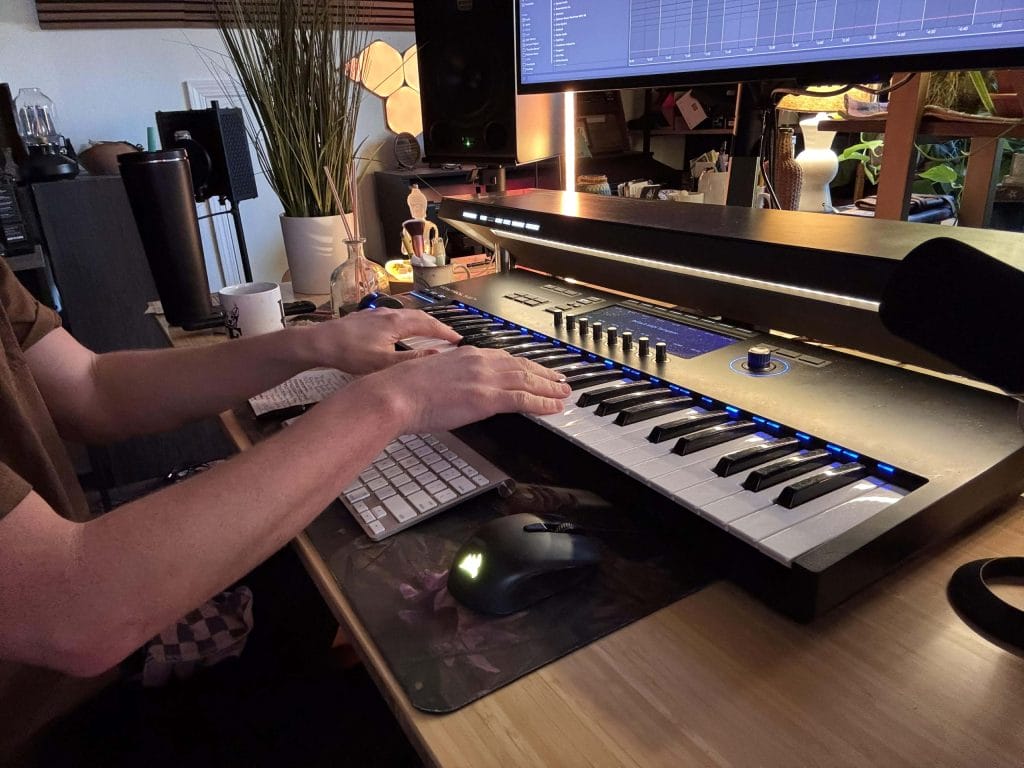
I’ve always felt that music theory clicks faster once it leaves the screen and shows up under your hands, especially when you sit at a keyboard and see every pitch laid out in front of you.
Playing even some of the most essential chord progressions and scales physically makes harmony feel logical instead of abstract, and it becomes much easier to understand why certain progressions work and how to move between keys without overthinking it.
When you practise voicings and inversions on an instrument, you start hearing how harmony supports melody, which helps you make better decisions when arranging leads, pads, and bass lines together. Instrument practice also sharpens your ear in practical ways, like recognising intervals, tuning issues, or when something sits slightly off key in a mix.
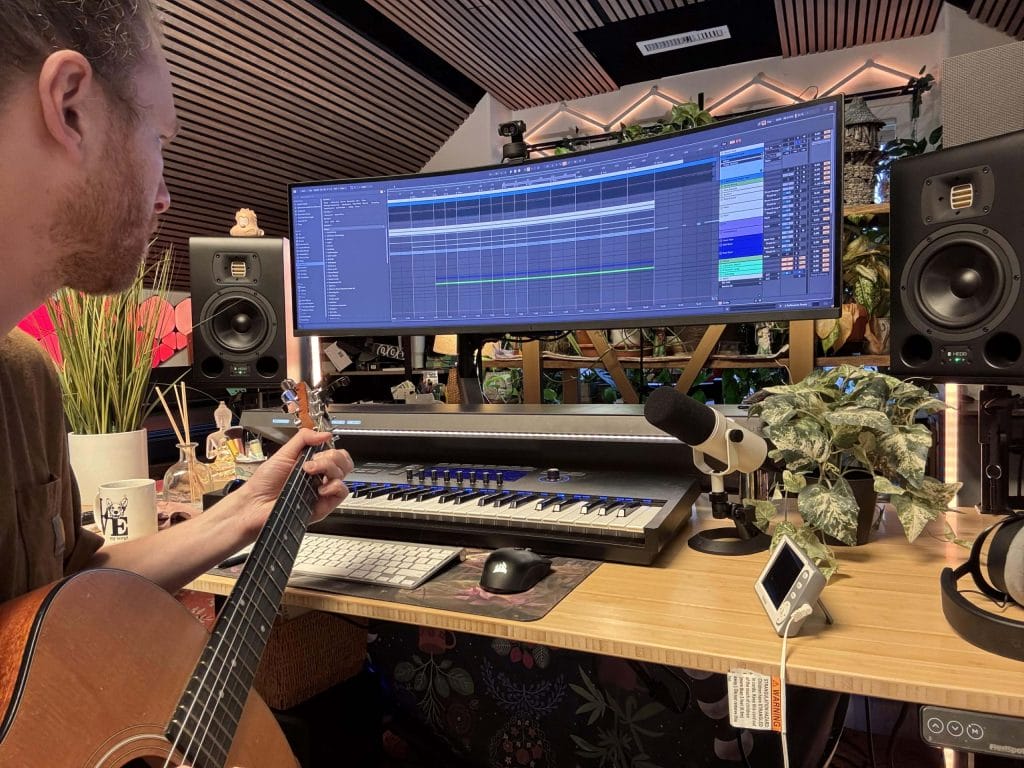
Working with a metronome builds timing awareness that carries straight into how you use quantisation, rather than defaulting to rigid grid settings. Theory stops feeling like rules you memorise and turns into patterns you recognise through repetition.
Once those ideas are under your fingers, translating them into MIDI becomes fast and intuitive, which makes composition feel less like programming and more like writing.
Physicality and Human Feel
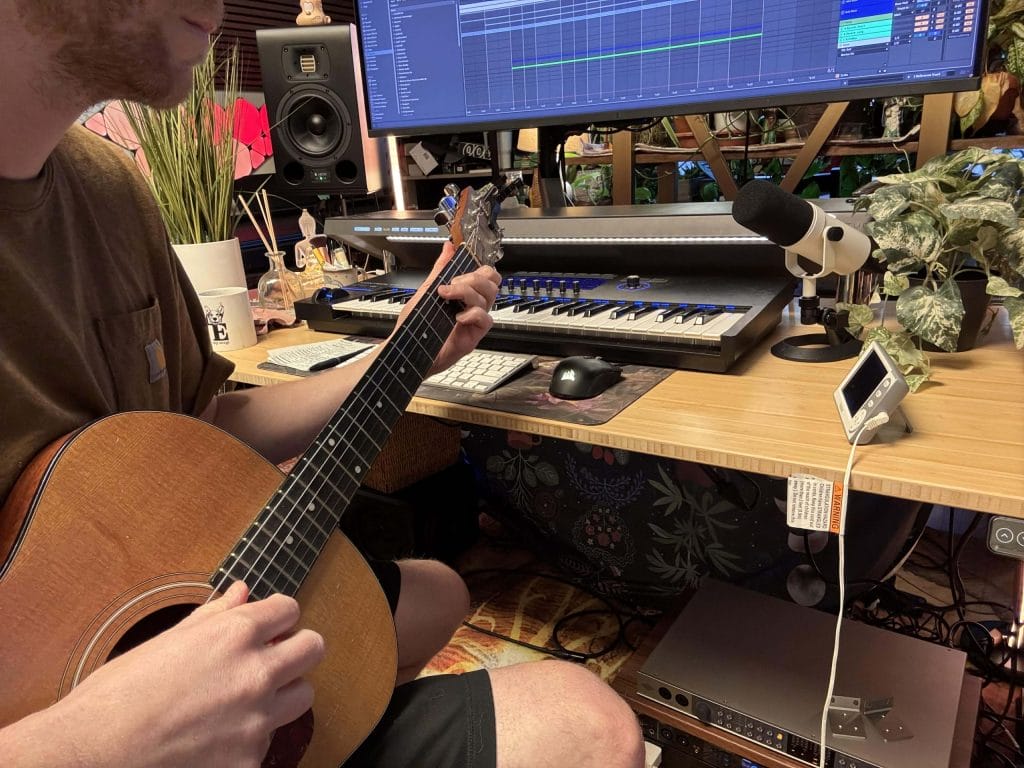
One thing I noticed early on is that groove comes from tiny timing differences that happen naturally when humans play, and those details rarely appear when everything is locked perfectly to a grid. Practising an instrument trains your body to hold tempo while still breathing around it, which makes you more aware of how timing actually feels instead of how it looks visually.
The way touch, motion, and pressure affect sound teaches you a lot about dynamics, and that knowledge carries over directly into velocity control, automation, and expression in MIDI parts. Single-note instruments are especially useful because they force you to create interest through rhythm, phrasing, and articulation rather than stacking layers. Soon enough, you develop a stronger sense of swing and flow, which helps you program grooves that feel alive without leaning on presets.
Playing physically also connects rhythm to movement, so timing becomes something you feel in your body instead of something you fix later. That awareness makes it easier to decide when precision matters and when a slight looseness actually improves the track.
Communication and Collaboration Benefits
Learning an instrument completely changed how I communicate with other musicians, because suddenly we’re speaking the same language instead of translating ideas back and forth.
When you understand what it takes to play something, you develop more patience in sessions and make choices that support better performances rather than fighting them. Being able to demonstrate a part on an instrument speeds everything up, since you can show an idea immediately instead of describing it in abstract terms. Musicians also tend to trust producers more when they feel understood, which creates a relaxed environment where people play better takes. Instrument skills make songwriting sessions smoother, since you can suggest chord changes, melodic variations, or structural ideas in real time.
When someone hums a melody, you can quickly find the harmony underneath it, which keeps the momentum moving forward. This kind of musicianship opens doors to collaborations, rehearsals, and sessions that producers working only inside a DAW often miss.
Creativity, Composition, and Inspiration
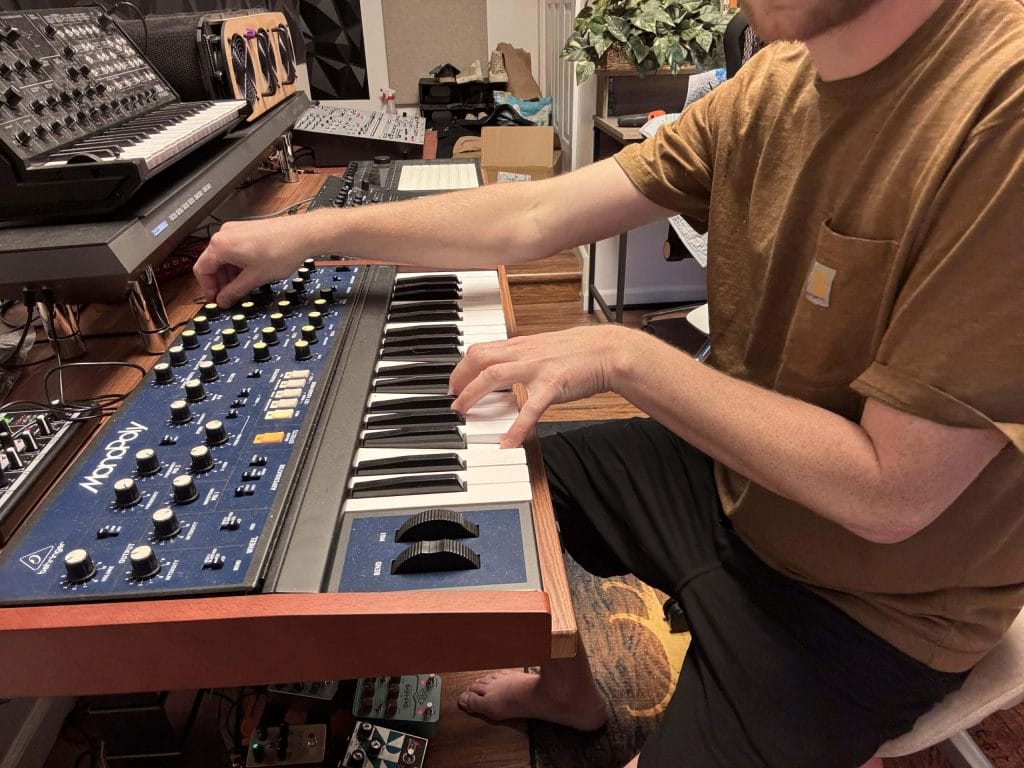
I’ve found that sitting down with an instrument often leads to ideas I never would have clicked together with a mouse, especially when improvisation takes over and removes pressure from the process. When I hit a creative wall, stepping away from the DAW and playing something physical tends to reset my perspective and pull me out of looping the same section endlessly. Instruments introduce tonal colours, articulations, and phrasing that spark new arrangement ideas and influence how I design complementary sounds later.
Exploring different styles through playing exposes rhythmic patterns and harmonic movement that naturally work their way into my productions. Improvisation also trains responsiveness, which carries over into how I make fast decisions during sound design and arrangement. Playing chords under a vocal idea helps songs come together faster and feel more cohesive. Eventually, this hands-on approach builds confidence, making original ideas feel more accessible without leaning heavily on presets.
Efficiency and Workflow Advantages
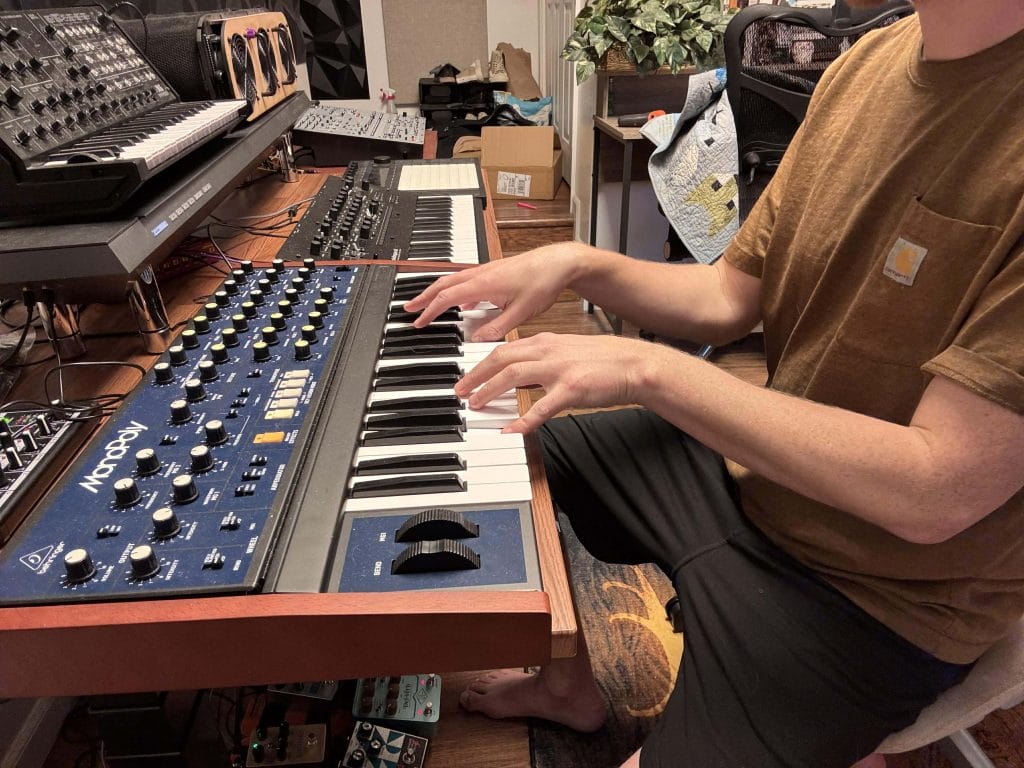
Once I started playing instruments, I noticed how much faster ideas moved from my head into a session, because I could record parts directly instead of constructing everything note by note.
Playing chords or melodies in real time keeps momentum high and prevents overthinking early decisions. It also reduces dependence on loop libraries, since generating original parts becomes the default rather than the exception. Understanding instrument ranges and natural movement helps avoid writing parts that feel awkward or unrealistic, which saves editing time later. When working with vocalists, being able to accompany them live makes it easier to test harmonies and melodies on the spot.
Recording short improvisations gives me raw material that I can chop, process, and reshape without digging through folders. This approach simplifies sessions and keeps projects moving forward with less friction.
Career and Professional Advantages Behind Why Music Producers Should Play An Instrument
From a professional standpoint, playing an instrument has opened doors that production skills alone never did.
Clients and collaborators tend to take you more seriously when you demonstrate musicianship, because it signals a deeper understanding of music rather than software alone. Instrument skills also create additional income paths, from session work to composing and teaching.
Being able to contribute parts directly reduces reliance on outside musicians and keeps projects flexible. Live performance opportunities expand when you can play alongside others, which increases visibility and networking potential. Musicianship also helps across genres, making it easier to adapt without leaning on surface-level tropes. Over time, these skills strengthen your portfolio and support long-term stability in the industry.
The post Why Music Producers Should Play An Instrument (…And Why It Matters In 2026 More Than Ever) appeared first on Magnetic Magazine.