



For this edition of How It Was Made, Amirali breaks down the production of “Endless High”, taken from his new EP on Mélopée Records.
Iranian-born and now UK-based, Amirali has built a reputation for records that balance emotional weight with club functionality, shaped by releases on Crosstown Rebels, Diynamic and Sincopat, and a background that spans classical piano, songwriting and live performance.
The EP pairs “Endless High” with the more introspective “Emanate”, sketching out two sides of the same language: one outward-facing and groove-led, the other deeper and more reflective, with nods to progressive house and early trance sensibilities. Across both tracks, expression and movement take priority over pristine surfaces, with synths and vocals treated as living parts rather than fixed loops.
In the breakdown below, Amirali focuses on the core tools behind “Endless High”, from expressive synth choices to careful dynamic control, and shares a few practical ideas for keeping Indie Dance and Nu-Disco productions human, flexible and quietly physical.
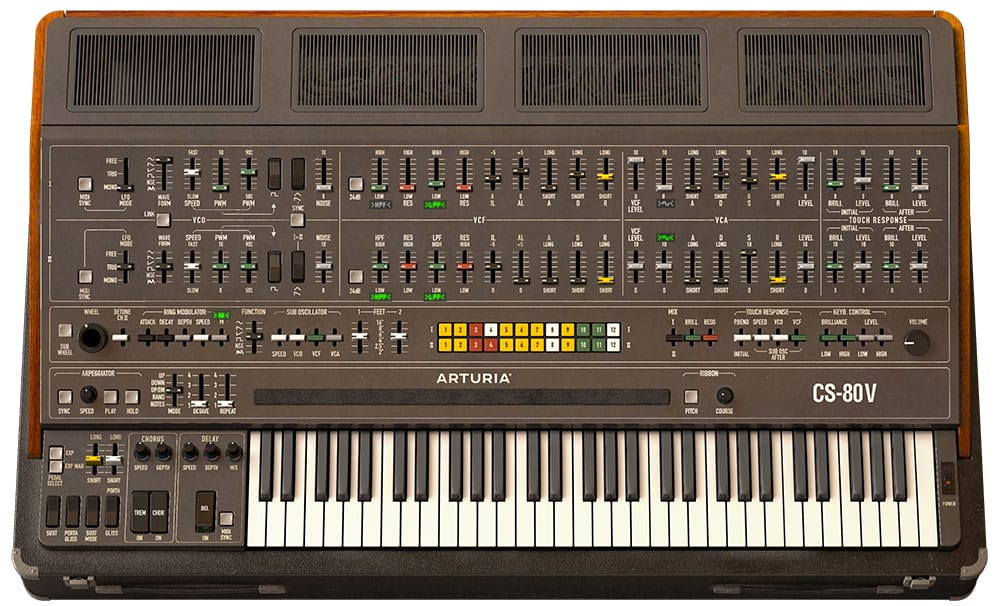
Arturia CS-80 V3
Arturia’s CS-80 V3 is a recreation of the legendary Yamaha CS-80, known for its rich dual-layer architecture and highly expressive modulation capabilities. The synth stands out for its organic character, thanks to dynamic filters, polyphonic aftertouch, and subtle analogue instability that brings movement to even simple sounds. It excels at basses and leads that need warmth and presence without feeling rigid or overly clean. That inherent expressiveness makes it a strong choice for groove-driven genres like Indie Dance and Nu-Disco.
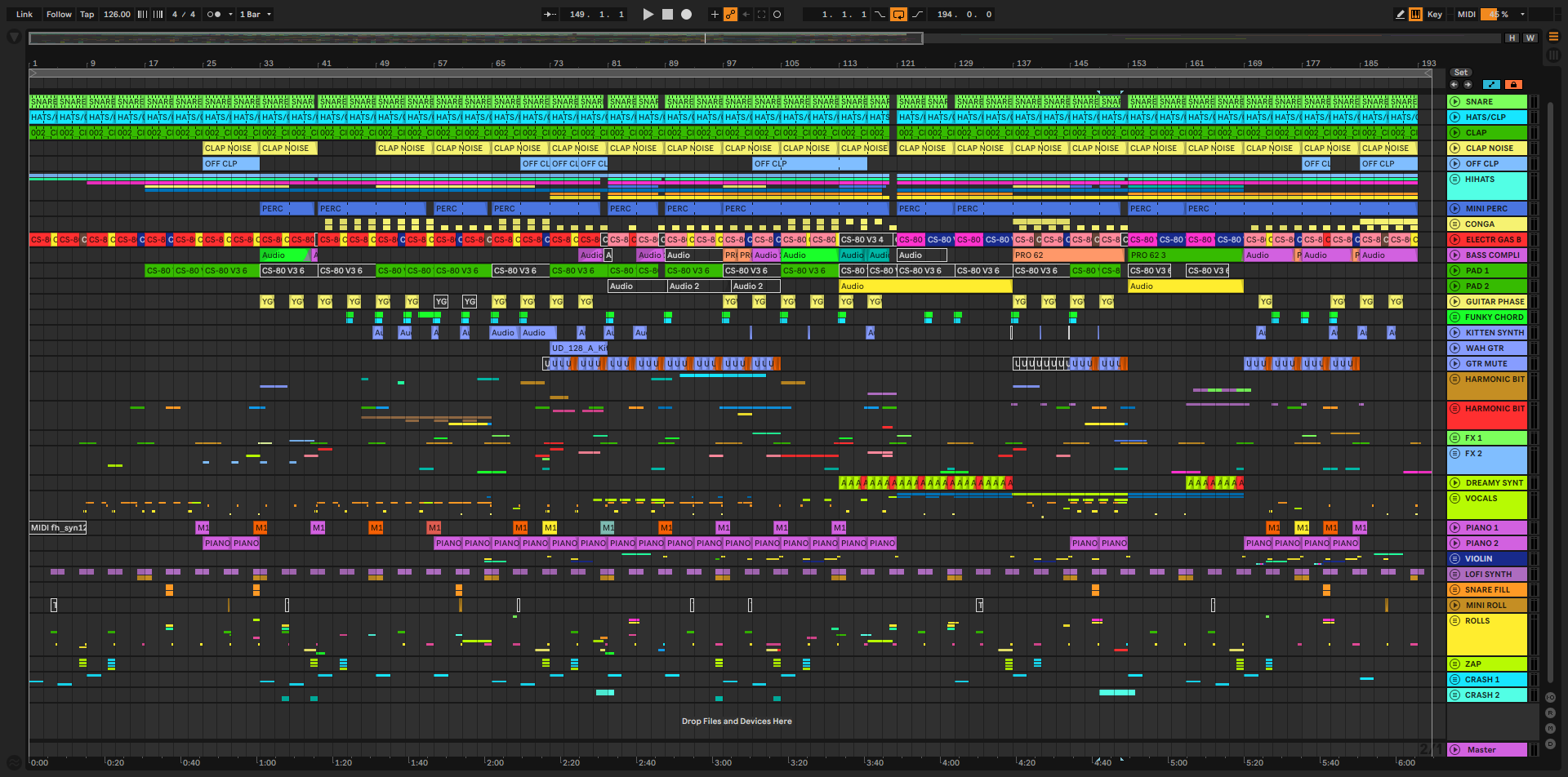
The main bass in Endless High was built around the “Electr Gas Bass” preset, which already provided a solid foundation with enough texture to cut through the mix. In certain sections that needed extra tension, this sound was layered with my analogue Prophet-6 to add grit and warmth, giving the bass a more analogue feel. Multiple bass patterns were played throughout the track rather than looping a single idea, with expression used to introduce small variations between sections. To keep everything controlled and consistent, the bass was processed through two UAD compressors: an 1176 for fast peak control, followed by an LA-2A to smooth things out and add weight. Sidechain compression, triggered by a muted ghost kick, helped the bass lock tightly into the groove while leaving space for the low-end punch of the drums.
When using the CS-80 V3 for bass in Indie Dance or similar genres, treating it like a performance instrument makes a huge difference. For me, the key in all my projects is preserving a human touch; the small imperfections that make a track feel alive, because these days everything can sound too clean and perfect. Small expression changes, subtle pattern variations, and movement in every single element help keep the bass and other parts feeling organic across the arrangement. A fast compressor like an 1176 paired with a slower, leveling-style compressor such as an LA-2A is a great way to maintain energy while keeping dynamics under control. Combined with ghost sidechaining, this approach ensures the bass stays tight, musical, and groove-focused, while still retaining that lively, human quality.
oeksound Soothe2
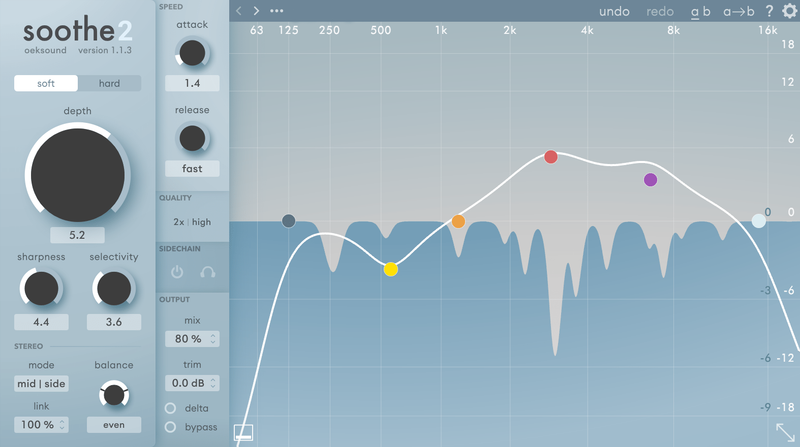
Soothe2 by oeksound is a dynamic resonance suppressor designed to reduce harsh frequencies in a transparent and musical way. Instead of applying static EQ cuts, it continuously reacts to problematic resonances as they appear in real time. This makes it especially effective on complex or layered sounds where traditional EQ can feel too rigid. The result is a smoother, more controlled signal without sacrificing clarity or character. It’s particularly useful on elements captured with microphones or on unpredictable analogue synths, where resonance can be more difficult to manage.
Soothe2 was one of the most used plugins throughout the production of Endless High, appearing on multiple channels to keep the mix clean and balanced. It was mainly used to tame resonant frequencies on synths, vocals and mid-range elements that could build up as layers were added. Rather than pushing it aggressively, the processing was kept subtle, allowing the original tone of each sound to remain intact. This helped the track stay polished and controlled while still feeling open and dynamic.
Soothe2 works best when used as a preventative tool rather than a heavy corrective effect. Gentle settings across several channels can make a mix feel smoother without ever drawing attention to the processing. It’s especially useful on synth-heavy arrangements where resonances can quickly stack up. Trust your ears and use it sparingly, small moves add up fast with this plugin.
Cableguys ShaperBox 3
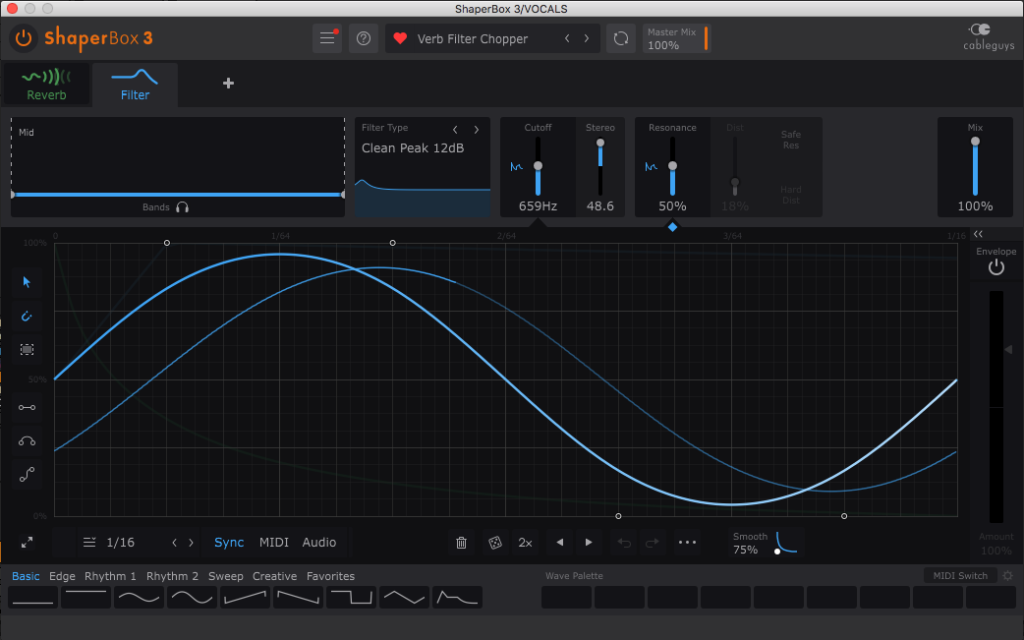
ShaperBox 3 by Cableguys is a multi-effect plugin built around time-based modulation, allowing me to shape volume, filters, pitch, distortion, and other parameters with great flexibility. Each module can be synced precisely to the project tempo, making it ideal for creating both rhythmic patterns and evolving movement. Its modular structure encourages experimentation while still offering detailed control. ShaperBox is especially effective for turning static sounds into groove-driven elements or creating textured, washed-out atmospheres; its built-in reverb is particularly useful for adding depth and space.
ShaperBox 3 was used extensively on the vocals to chop them into rhythmic phrases while also introducing subtle movement throughout the arrangement. Volume shaping created syncopated, tempo-locked patterns, while additional modulation added fluidity and motion. Each time I used ShaperBox, I recorded the results as audio, creating multiple channels in the vocal group. This allowed me to experiment freely, layer different versions, and explore unconventional approaches before deciding which takes worked best. By combining rhythmic chopping with evolving movement, the vocals became both a percussive and tonal layer, fully integrated into the groove.
ShaperBox 3 is at its best when you embrace experimentation. Record multiple takes and variations to audio, and don’t be afraid to try unusual settings or routing. Start with simple, tempo-synced chops, and then layer subtle modulation to keep repeated phrases from feeling static. Over time, this patient experimentation can help you develop unique techniques that become part of your signature sound, adding energy, motion, and personality while staying tightly locked to the rhythm. At the same time, it’s important not to overdo it; subtlety often makes the biggest impact.
Quick Fire Tips For Making Indie Dance / Nu-Disco
Tip #1: Layer your bass patterns and vary them subtly across sections. Use expression or velocity to make repeated lines feel alive without changing the core sound.
Tip #2: Treat vocals like rhythmic instruments. Chop, filter, and modulate them to add percussive interest and texture, rather than leaving them static.
Tip #3: Use subtle resonance suppression on complex synths and layers with tools like Soothe2. It smooths out harsh frequencies without stripping character.
Tip #4: Experiment relentlessly and be patient. Try using plugins in unconventional ways, recording multiple variations, and exploring different ideas. Over time, this experimentation leads to unique techniques that become your signature sound, your musical DNA.
Tip #5: Be fearless in exploring your own path and try things in ways no one else would. The more you stay true to your vision, the more rewarding the final result becomes, and the more your work stands out as unmistakably yours.
Endless High is out now on Mélopée Records
Follow Amirali on Instagram
The post How It Was Made: Amirali – Endless High appeared first on Magnetic Magazine.