


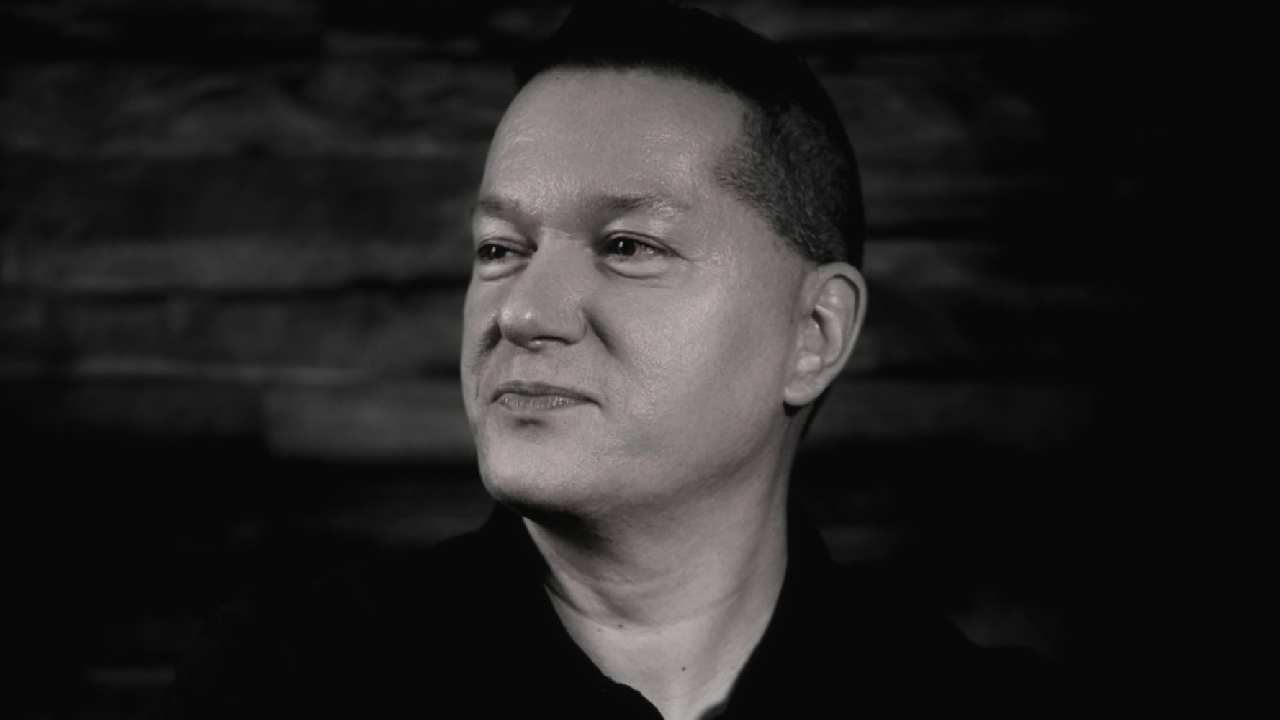

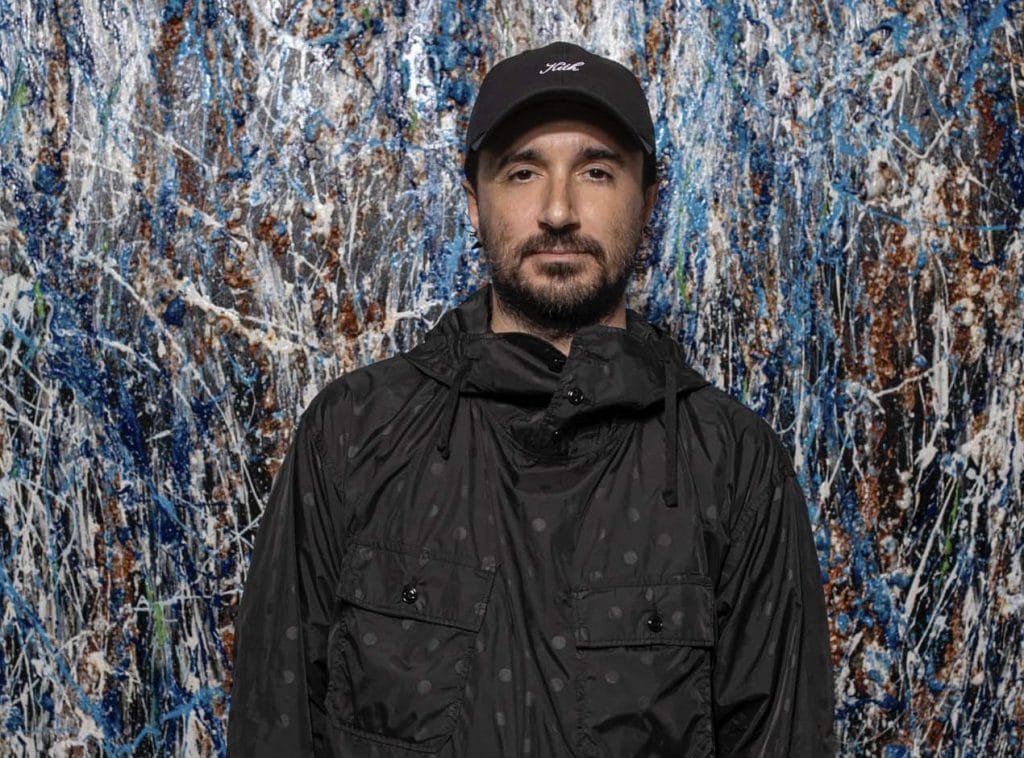
LEON has been part of club culture for decades, long enough to see styles shift, crowds evolve, and the role of a DJ expand in ways none of us expected when vinyl bags ruled the booth. His new ‘Parallel Lines’ EP on Enzo Siragusa’s LOCUS arrives during a run of momentum that includes standout shows, new collaborations, and a steady push toward a more groove-driven sound. The release fits him well. Three tracks that lean into character, movement, and the instincts he has carried since the late 90s.
Talking with him felt like talking with someone who still approaches the booth the same way he did when Ibiza residencies were forming the core of his identity. Every answer points back to instinct, memory, and the feeling of playing for a room that wants something real. The new EP reflects that mindset. It moves with purpose, avoids excess, and gives him the space to shift energy across long sets, which is where he feels most at home.
What follows is a conversation about memory, dancefloors, instinct, and the discipline behind creating sets that feel open and alive. It shows the same clarity you hear across the EP and gives a window into how he still reads a room with zero hesitation.
Interview With LEON
Have you ever played a track that instantly brought back a specific memory, either for you or the room?
It happened several times, because there are tracks considered classics that revive many memories.
Danny Tenaglia’s “Be Yourself” or “Blackwater” by Octave One always take me back. My first record was Mood 2 Swing “All Night Long”, and I’m still in love with that tune. It remains my favourite.
Do you ever build a set based on a specific emotional tone or feeling you want to channel?
Each set expresses a story and represents how my body and mind feel in that moment.
I never prepare a set. Everything has always been very natural because what I propose is dictated by instinct and the moment. I like the idea of putting 50 vinyl records or 50 tracks in my bag or USB folder and using only those, adapting to the situation. This approach allows me to create a different set every time.
What kind of memories do you think dancefloors hold for both DJs and dancers?
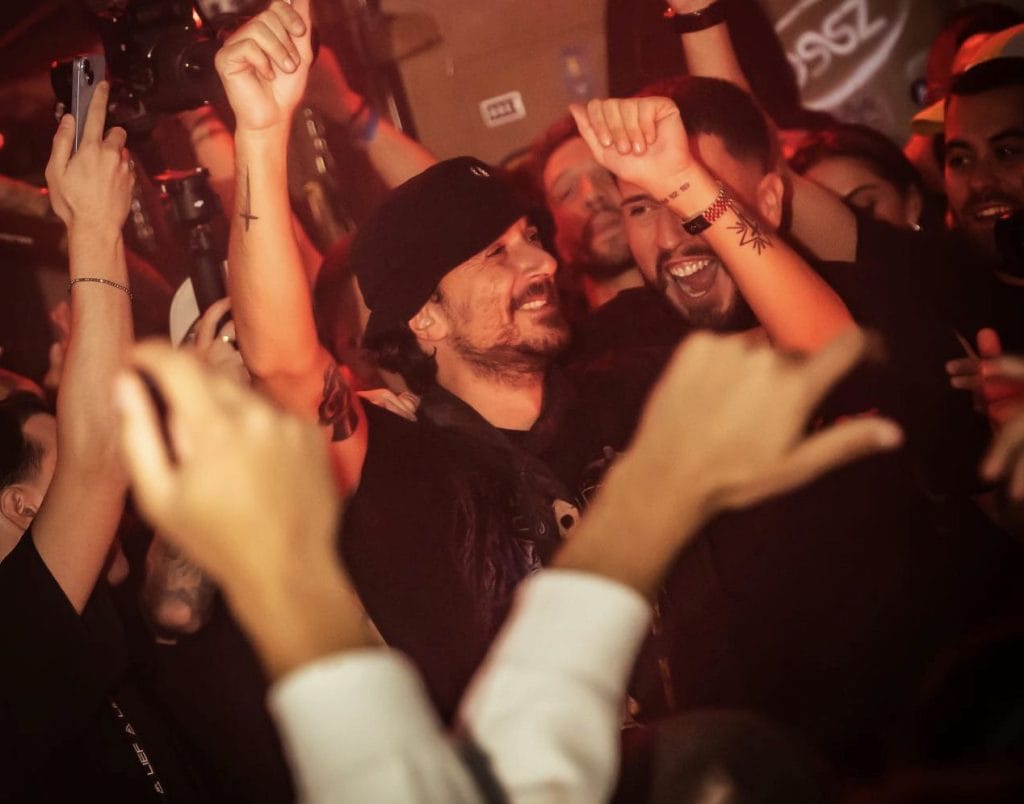
Maybe everything. People have met at my parties and later married.
Some have had children and named them Leon. In general, I think DJs and audiences want to remember the freedom you feel when experiencing the emotions that clubs and DJs bring. Dance expresses personal and spiritual forms. I also love going to parties and dancing myself, listening to artists like Ben UFO, Theo Parrish, Danny Tenaglia, Jane Fitz, and DJ Harvey.
Is there a track in your crate that feels tied to a person, a place, or a season in your life?
Yes. Mood 2 Swing “All Night Long” reminds me of my beginnings and the late 90s when house music felt incredibly exciting.
The club scene was in full discovery, and you could feel the magic everywhere. We were carefree, happy, and had a desire to create art without borders or thoughts about money. We felt part of a movement. Fashion was integrated with the club scene, and people were more creative.
Designers, models, and pop artists like Madonna and Jamiroquai were on the dancefloor with us, not in private rooms with expensive bottles like today.
When you hear a track you haven’t touched in years, what does that moment usually trigger for you?
Memories of those years come back immediately.
The places I visited, the people I met, the loves I experienced. Music is an excellent therapy that helps maintain hope and lets you dream. Everyone should use music as a therapy for happiness. Someone once said dancing and partying is better than a session with a psychologist, and I agree.
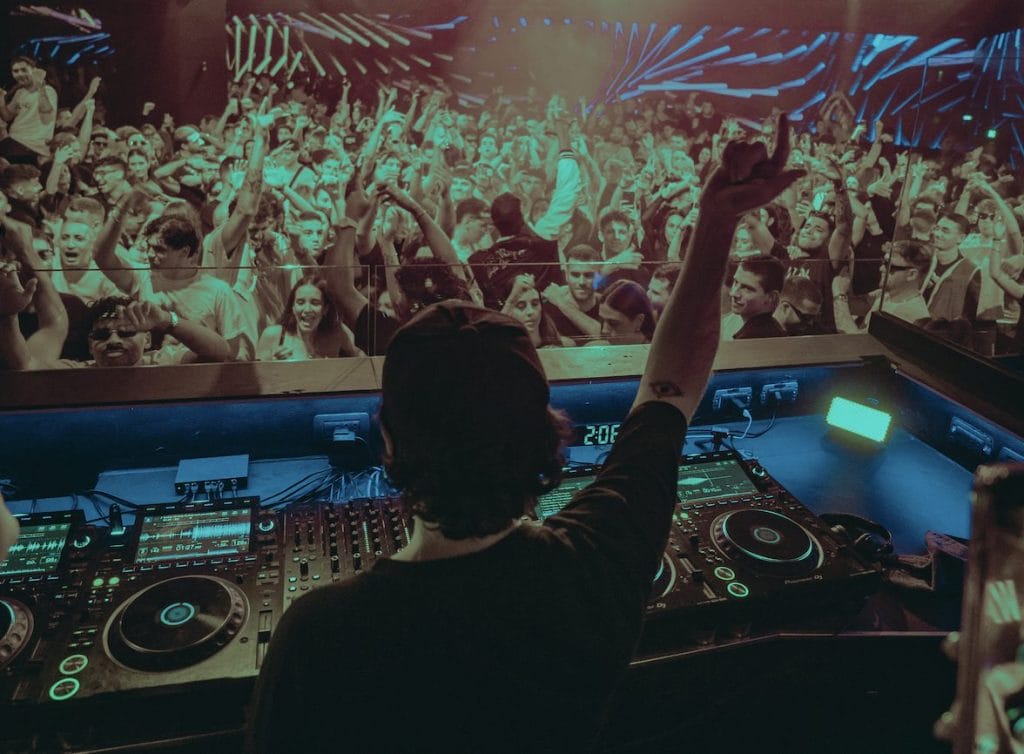
How do you use tempo, texture, or mood to create shifts in emotional energy across a set?
I like long sets, at least four hours, up to six when possible.
That format lets me express myself because I can play everything, from dub to techno to house. I’ve been buying music since 1995. I don’t like labels. I played ten years for Music On in Ibiza, and sometimes my sets were more underground because of the time slot, or more tech in the second room. I like when people expect something different from me.
Do you think DJs are curating memories as much as they’re curating songs?
A real DJ does that, but there are fewer real DJs today. Many believe they are DJs because of social media, but a one minute video on Instagram or TikTok cannot show musical ability. This situation is frustrating. Social media can be useful, but not to judge a DJ set.
Have you ever witnessed something on a dancefloor that made you see DJing differently?
It’s more something you feel.
A good event treats the crew and staff well, which creates a comfortable atmosphere for the crowd. I always make time to greet and thank the people working behind the scenes. If they feel mistreated, it impacts everything. Taking care of them matters.
When you look back at your most powerful nights behind the decks, what do they have in common?
Good preparation, enough rest, and attention to the event staff. Reviewing music with the venue and context in mind helps the night unfold well. You need patience to move with the room and understand what stage of the night you’re in. It’s similar to knowing which gear to use in a manual car for each turn.
The post LEON Reflects on Club Culture Then and Now as He Drops ‘Parallel Lines’ appeared first on Magnetic Magazine.